






Clinical
Latest News
Advertisement
Latest Videos



Advertisement
More News

Rebooting the immune system is an exciting approach, noted John Corboy, MD, professor of neurology, University of Colorado Denver, School of Medicine, and co-director of the Rocky Mountain MS Center at Anschutz Medical Campus.

A new report confirms earlier research that colon perforation in multiple myeloma is associated with corticosteroids, though the exact cause of the apparent link is not known.
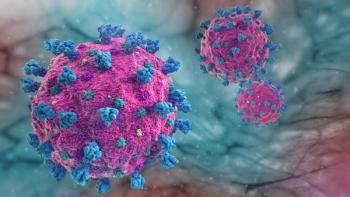
The United States has its first reported of coronavirus disease 2019 (COVID-19) reinfection, in a young male patient with no underlying immune conditions.

Compared with placebo, low-dose atropine (0.01%) eyedrops may slow myopia (nearsightedness) progression and axial elongation in Chinese children with low and moderate myopia.

Patients who received anti-inflammasome nucleoside reverse-transcriptase inhibitors (NRTIs)—drugs approved to treat HIV-1 and hepatitis B infections—exhibited a 33% reduced risk of developing type 2 diabetes (T2D), according to a meta-analysis published in Nature Communications.

There is a synthetic lethality between sacituzumab govitecan and a PARP inhibitor, noted Aditya Bardia, MBBS, MPH, breast medical oncologist, Massachusetts General Hospital, Harvard Medical School.

Temporarily halting a trial to evaluate a vaccine means we are following the rules of safety, noted Maura Abbott, PhD, AOCNP, CPNP, RN, assistant professor of nursing at the Columbia University School of Nursing.

Combination treatments may be the future for treating patients with spinal muscular atrophy (SMA) at all stages and ages, explained Jill Jarecki, PhD, chief scientific officer at Cure SMA and research director of TREAT-NMD Neuromuscular Network.

New data on the long-term efficacy and safety of dupilumab are very reassuring to patients with asthma, explained J. Allen Meadows, MD, president of the American College of Allergy, Asthma & Immunology.

The Trump administration signed a $486 million agreement with AstraZeneca to develop a coronavirus disease 2019 (COVID-19) antibody treatment.

Patients with type 2-high asthma who were being treated with high-dose inhaled corticosteroids (ICS) had reduced exacerbations and improved lung function when they were switched to dupilumab.

Researchers identified 3 groups with distinctive patterns of overall survival (OS), among which they determined additional prognostic value in patients with <5% bone marrow blasts.
Older individuals need medications that focus on effects inside the nervous system, explained John Corboy, MD, of University of Colorado Denver, School of Medicine, and Rocky Mountain MS Center at Anschutz Medical Campus.

The research looked at inpatients with migraine on erenumab, and overall, found that the incidence was similar to patients in real-world settings.
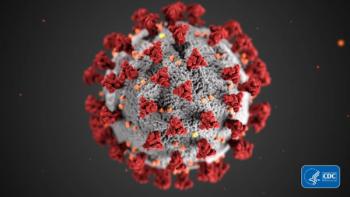
Researchers found the nucleocapsid protein (NP) antigen of SARS-CoV-2, the virus which causes coronavirus disease 2019 (COVID-19), existed intracellularly in the ocular tissues of a patient who previously had COVID-19.

Newly diagnosed patients with multiple myeloma (MM) face a high risk of infection. A new study helps elucidate key risk factors.

Research on the long-term use of ozanimod in relapsing forms of multiple sclerosis (MS) has shown the treatment is effective with no new safety concerns.

Two women are awarded the Nobel Prize in Chemistry for CRISPR; Eli Lilly partners with DexCom, Inc; the US arm of AstraZeneca’s coronavirus disease 2019 (COVID-19) vaccine trial remains halted.

At a session Tuesday at the Migraine Trust International Symposium, one presentation delved into findings published this year in medication overuse headaches, prevention, and pathophysiology of migraine as well as cluster headaches.

In this study from Cape Town, South Africa, patients with comorbid HIV and a history of mental illness had an increased risk of mortality from all causes.

Targeted tumor delivery of irinotecan through sacituzumab govitecan can help to reduce treatment-related toxicities, noted Timothy A. Yap, MBBS, PhD, FRCP, medical director of the Institute for Applied Cancer Science, MD Anderson Cancer Center.

The National Insistutes of Health (NIH) study aims to discover new forms of diabetes, understand what makes them unique, and identify root causes.
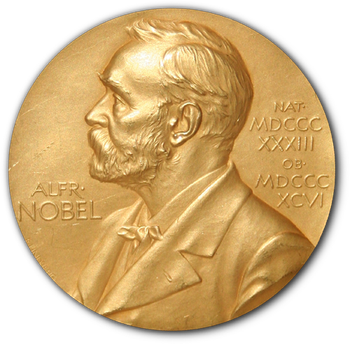
Two Americans and a British scientist share the 2020 Prize for Physiology or Medicine for work in the 1970s through the 1990s. The rise of agents to treat hepatitis C virus has created vexing questions in managed care.
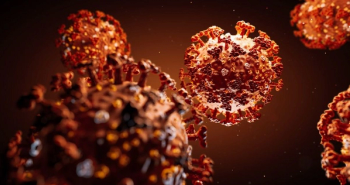
During a 1-hour free webinar from MJH Life Sciences™’s COVID-19 Coalition, experts discussed various myths around the coronavirus disease 2019 (COVID-19) pandemic.

Increasing at-home access to care and treatment options for spinal muscular atrophy (SMA) proved to be helpful during the coronavirus disease 2019 (COVID-19) pandemic, explained Mary Schroth, MD, FAAP, FCCP, chief medical officer at Cure SMA.
Advertisement
Advertisement
Trending on AJMC
1
Coroner Reports Pennsylvania's Sixth Measles-Associated Death
2
CMS Rule Ends Medicaid, CHIP Funding for Pediatric Gender Care
3
Oral JAK Inhibitors Boost Hair Regrowth Odds in Alopecia Areata
4
Panel Calls for Earlier Detection, Clearer Pathways in Rare Glomerular Disease
5