




Clinical
Latest News
Advertisement
Latest Videos

Advertisement
More News

Chimeric antigen receptor (CAR) T-cell therapy does not always lead to a durable response, and we are trying to figure out why, noted Michael R. Green, PhD, University of Texas MD Anderson Cancer Center.

Experts presenting the American Society of Nephrology’s Kidney Week session entitled “From Kids to Adults: Chronic Kidney Disease-Mineral and Bone Disorder (CKD-MBD) Across the Life Course,” outlined the detrimental effects of childhood CKD and other kidney diseases on long-term health.

It is still unclear why patients who should respond to anti–interleukin-5 therapies do not, noted Anne Reihman, MD, Division of Pulmonary Sciences and Critical Care Medicine, University of Colorado.

In a session focused on sodium-glucose cotransporter 2 (SGLT2) inhibitors presented at the American Society of Nephrology’s (ASN) Kidney Week, experts highlighted the benefits of using this drug class in patients with kidney disease and outlined future steps for integration of care.

Recent guidelines have renewed the focus on treating severe asthma. During 2 panels at CHEST 2020, experts discussed key updates, limitations of the guidelines, and more.

Solriamfetol was found to be efficacious and safe in the treatment of excessive daytime sleepiness in patients with narcolepsy and obstructive sleep apnea, according to study findings.

Shared decision-making is very important when it comes to choosing biologics for patients, emphasized Nicola Hanania, MD, MS, pulmonary critical care physician and director, Airways Clinical Research Center, Baylor College of Medicine, Houston, Texas.
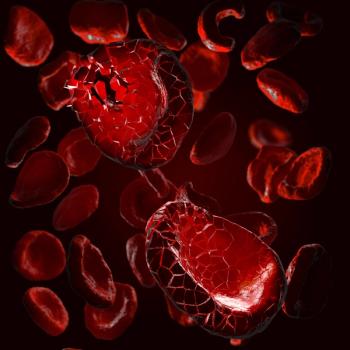
Investigators may have found a minimally invasive way to predict which patients with multiple myeloma are about to experience a relapse.

Challenges remain, in light of new guidelines, when making treatment decisions for patients with severe asthma, noted Megan Althoff, MD, PhD, second year fellow, University of Colorado, Division of Pulmonary Sciences and Critical Care Medicine.

T-cell prolymphocytic leukemia is rare and shares many features with other conditions. A new review article helps explain some of the tactics physicians can use to correctly identify it.

A recent review in Current Diabetes Reports delves into the utility of sodium-glucose co-transporter-2 (SGLT2) inhibitors for patients with heart failure currently on other medications.

Chronic cough is frustrating for patients and their families, especially during the pandemic, explained Krishna M. Sundar, MD, FCCP, clinical professor, Pulmonary Division, Department of Medicine, and medical director, Sleep-Wake Center, University of Utah.

Anti–vascular endothelial growth factor (VEGF) treatment was associated with preserved useful visual acuity in almost 20% of patients with neovascular age-related macular degeneration (nAMD).

We are still working to figure out why low levels of vitamin D are associated with worse outcomes in critical illness, noted Todd W. Rice, MD, FCCP, associate professor of medicine at Vanderbilt University Medical Center in Nashville, Tennessee.
Data from a 5-year open-label treatment period on the safety profile of erenumab (Aimovig) showed the treatment helped patients with episodic migraine achieve a sustained reduction in the number of monthly migraine days and the number of days in which therapies were needed for acute migraines.

Coronavirus disease 2019 (COVID-19) is unlike any pandemic the world has experienced in the last 100 years, said Anthony Fauci, MD, director of the National Institute of Allergy and Infectious Diseases, during his keynote.

Although probing for congenital nasolacrimal duct obstruction is safe and effective , age at the time of initial intervention and bilateral surgery constitutes a significant risk for a failed procedure, according to study results published in BMC Ophthalmology.

Current treatment options spinal muscular atrophy (SMA) are available for all types of the disease regardless of motor strength, explained Jill Jarecki, PhD, chief scientific officer at Cure SMA, and Mary Schroth, MD, FAAP, FCCP, chief medical officer at Cure SMA.

A recent analysis illustrated how a combination of different genomic approaches discovered actionable alterations in 44% of patients with metastatic breast cancer.

It is the first PD-1 inhibitor to be approved to be used as a monotherapy for the treatment of adult and pediatric patients with relapsed or refractory (R/R) classical Hodgkin lymphoma (cHL).

Nearly 10,000 deaths from non–small-cell lung cancer (NSCLC) were likely delayed between 2014 to 2016, the researchers calculated.

Using the Framingham risk score to differentiate patients with psoriatic arthritis with and without coronary artery disease can underestimate cardiovascular risks in these patients.

The safety profile of nivolumab plus chemotherapy was also consistent with previously reported studies in NSCLC, the researchers said.

Based on the findings, the researchers are arguing that minimal residual disease (MRD) should be considered as a clinical trial endpoint.

Study results from a phase 1 trial looking at 2 RNA-based severe acute respiratory syndrome coronavirus 2 vaccine candidates give further insight into the candidates’ safety profiles.
Advertisement
Advertisement
Trending on AJMC
1
CMS Rule Ends Medicaid, CHIP Funding for Pediatric Gender Care
2
Oral JAK Inhibitors Boost Hair Regrowth Odds in Alopecia Areata
3
Coroner Reports Pennsylvania's Sixth Measles-Associated Death
4
Panel Calls for Earlier Detection, Clearer Pathways in Rare Glomerular Disease
5