




Clinical
Latest News
Advertisement
Latest Videos







Advertisement
More News

With an expansion that includes immunotherapy combination treatments, the American Society of Clinical Oncology (ASCO)’s Targeted Agent and Profiling Utilization Registry (TAPUR) Study has now grown to 500 participants and 16 therapies.

The new hypertension guidelines made major changes to the classification of blood pressure, in general, and changed the name of one category to convey more importance, explained Robert Carey, MD, MACP, professor of medicine and dean emeritus at the University of Virginia.

Recent results from a team-based, scalable intervention to promote medication adherence highlighted that the relationship between adherence and clinical outcomes is not always clear cut, said Niteesh Choudhry, MD, PhD, associate professor at Harvard Medical School.

The outcomes in the COMPASS trial of rivaroxaban to treat patients with peripheral artery disease have been very positive, and a new analysis has looked at the cost impact of bringing the drug to market, explained Andre Lamy, MD, MHSc, FRSC, a cardiac surgeon with the Population Health Research Institute in Hamilton, Ontario, Canada.

Chronic obstructive pulmonary disease (COPD) is characterized by persistent and progressive airflow limitation, and a new study examined the factors responsible for a high St George’s Respiratory Questionnaire for COPD based on severity of airflow limitation.

The time a patient is in a doctor's office represents a very small window of the body normally, which makes out-of-office blood pressure measurements important to confirm diagnosis of hypertension, explained Paul Whelton, MD, MSc, professor of global public health at Tulane University.

Patients with psoriasis and with rheumatoid arthritis (RA) are often treated with similar drugs, but those with psoriasis are at a higher risk for serious liver disease, according to a new study in the Journal of Investigative Dermatology.

As oncology moves toward more deep diagnostic testing and as standard of care continues to quickly evolve, technology advancements are necessary to continue to improve patient access to clinical trials, explained Amy Abernethy, MD, PhD, the chief medical officer, chief scientific officer, and senior vice president of oncology at Flatiron Health.

The EMPA-REG trial has been a big step forward for clinicians being able to put patients with type 2 diabetes onto treatment that also reduces cardiovascular disease risk, which is the primary cause of death in these patients, explained Eliot A. Brinton, MD, FAHA, FNLA, president of the Utah Lipid Center.

Roger S. McIntyre, MD, FRCPC, professor, Departments of Psychiatry and Pharmacology, University of Toronto, and of the Head, Mood Disorders, Psychopharmacology Unit, University Health Network, discussed the contributing factors and effects of misdiagnosing or inappropriately treating patients with antidepressants.
A session at the 2017 NEI Congress® emphasized the importance of making an accurate diagnosis in patients presenting symptoms of depression.
Only 1 in 3 patients will achieve remission on their first antidepressant, and 67% of patients require 4 antidepressant trials before symptoms remit, said Thomas L. Schwartz, MD, during a session on strategies for switching, combining, or augmenting treatments for patients with major depressive disorder.

A specific mutation has been linked with acquired resistance in immunotherapy drugs used to treat non–small lung cancer (NSCLC).

Roche had 2 drugs approved by the FDA—one that is the first approved treatment for a rare blood disease and the other is approved as a first-line treatment for anaplastic lymphoma kinase-positive metastatic non–small cell lung cancer.
A recap of abstracts presented at The American College of Rheumatology’s 2017 Annual Meeting, including an analysis of data available in an electronic health records database and outcomes and cost effectiveness of sarilumab.
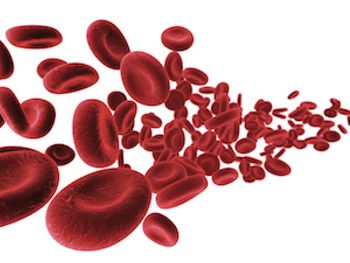
Research into GSK-3 inhibition in cells may have implications for leukemia treatment.

With the risk of upgrade of flat epithelial atypia to malignancy is low, surveillance rather than surgery is a reasonable option for patients, according to a study.
New research shows that eliminating Treg cells that prevent the cancer-fighting effect of an immunotherapy treatment doesn't actually end their suppressive qualities.

At the Community Oncology Alliance's Payer Exchange Summit VII: Oncology Payment Reform, practices shared their challenges and successes in the second year participating in the Oncology Care Model.

A new study questions the use of stents in certain patients; the House is expected to pass CHIP funding, but how to pay for it continues to be debated; and nearly all older, poorer people will have access to cheaper ACA plans in 2018.

While current, prior, and change in the Kansas City Cardiomyopathy Questionnaire score were all significnatly associated with lower risk of mortality and heart failure hospitalization in isolation, when the current score was included with either prior or change score, only the current score was significantly associated with lower risk for all-cause mortality.

Black men have the highest prevalence of intracranial atherosclerotic disease (ICAD) and the highest frequency of multiple plaques, a new study has found.

Novartis has filed for an expanded indication for its chimeric antigen receptor T-cell treatment, tisagenlecleucel (Kymriah), for use in patients with diffuse large B-cell lymphoma (DLBCL), the most common form of non-Hodgkin’s lymphoma.

Strong chemotherapy may be part of the treatment plan for patients diagnosed with cancer, but it also comes with risks. A new campaign will empower patients with cancer to better understand and navigate risks such as febrile neutropenia that are associated with strong chemotherapy.

Results of the 70-gene signature assay strongly influence physician's treatment recomendations for patients with early breast cancer who were classified as intermediate risk by the 21-gene assay.
Advertisement
Advertisement
Trending on AJMC
1
CMS Rule Ends Medicaid, CHIP Funding for Pediatric Gender Care
2
Oral JAK Inhibitors Boost Hair Regrowth Odds in Alopecia Areata
3
Coroner Reports Pennsylvania's Sixth Measles-Associated Death
4
Panel Calls for Earlier Detection, Clearer Pathways in Rare Glomerular Disease
5