



Clinical
Latest News
Advertisement
Latest Videos


Advertisement
More News





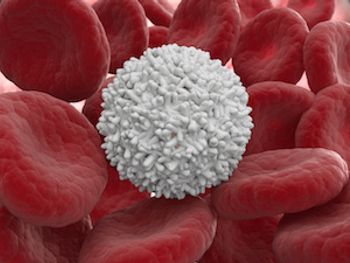
Based on long-term observations, granulocyte colony-stimulating factor utilization is a safe and effective treatment to prevent infections and improve quality of life in patients with cyclic neutropenia, according to an analysis in The New England Journal of Medicine.

The FDA has removed a boxed warning on medicines delivering a combinations of inhaled corticosteroid (ICS) and long-acting beta agonists (LABA) drugs.

Physicians caring for patients with severe congenital neutropenia should be ready to detect issues with multiple systems in the body, explained Seth Corey, MD, of the Virginia Commonwealth University and the Massey Cancer Center & Children's Hospital of Richmond, during a session at the 59th American Society of Hematology Annual Meeting and Exposition in Atlanta, Georgia.

Key drug approvals; alcohol cancer link.

A new sodium-glucose co-transporter 2 medication to treat type 2 diabetes is joining the field: the FDA approved ertugliflozin (Steglatro) from Merck and Pfizer as a single therapy and in combination with Merck’s sitagliptin (Januvia), a DPP-4 inhibitor, or with metformin.

In 2017, The American Journal of Managed Care® (AJMC®) covered conferences on a range of topics: oncology, diabetes, managed care, and much more. however, the most-read coverage from conferences that AJMC® attended mostly focused on cardiology trial results, particularly the cardiovascular results of diabetes medications.
Advertisement
Advertisement
Trending on AJMC
1
CMS Rule Ends Medicaid, CHIP Funding for Pediatric Gender Care
2
Oral JAK Inhibitors Boost Hair Regrowth Odds in Alopecia Areata
3
Coroner Reports Pennsylvania's Sixth Measles-Associated Death
4
Panel Calls for Earlier Detection, Clearer Pathways in Rare Glomerular Disease
5