Clinical
Latest News
Advertisement
Latest Videos
Advertisement
More News
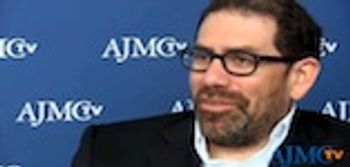
Luis A. Diaz, Jr, MD, associate professor of oncology, Johns Hopkins Sidney Kimmel Comprehensive Cancer Center, discovered that patients with high mutational burden with mismatched repair responded well to checkpoint inhibition of PD1.

Much-anticipated trial results were presented on the third day of the annual meeting of the American Society of Clinical Oncology, held in Chicago. These included phase 3 results from the CheckMate 067 trial and a phase 2 study with elotuzumab.
A collaborative study, conducted by researchers in the United Kingdom and in the United States, has found that statins could successfuly reduce mortality among patients undergoing coronary artery bypass graft (CABG), compared with several other medications.
While the clinical data presented at the annual meeting of the American Society of Clinical Oncology (ASCO) created waves, a session on value had an equally significant impact as oncologists thronged to hear stakeholder voices define this, as yet abstract, concept of "value" in cancer care. The session brought together a patient representative, an oncologist, an ASCO representative, and a payer.
A late-breaking abstract session early on the second day of the annual meeting of the American Society of Clinical Oncology was reserved for the latest data from clinical trials evaluating the new immuno-oncology agents of the PD-1 inhibitor class.
During the Health Services Research and Quality of Care session on the second day of the annual meeting of the American Society of Clinical Oncology, being held at the McCormick Convention Center, Chicago, oncologists discussed barriers to patient participation in cancer clinical trials, and discussed attributes of the high cost of care.
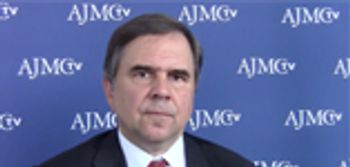
New study results being presented at the American Society of Clinical Oncology's annual meeting in Chicago found that the PD-1 and PD-L1 biomarkers can be used to determine response and resistance, explained Daniel P. Petrylak, MD.
On the first day at the annual meeting of the American Society of Clinical Oncology in Chicago, physicians introduced some of the newer agents currently available to treat lymphoma and described their experience with these agents during the session, "Incorporating Novel Agents into Lymphoma Therapy: Value in Everyday Practice."
More than half of women diagnosed with breast cancer undergo breast-conserving surgery with a partial mastectomy. A new study from the Yale Cancer Center found that removing more tissue during this procedure could spare thousands of these patients from a second surgery.
Two lawsuits have been filed against Anthem Blue Cross for denying coverage to 2 women for the hepatitis C medication Harvoni.
An international study has estimated that in 2013, there were 14.9 million newly diagnosed cases of cancer and 8.2 million deaths around the world.
Children and families can benefit so much from these camps. Yes, MCOs should pay and here is why.
While the concept of informed consent it a good one, there is a fundamental problem with the informed consent and how it is practiced today, writes Harlan Krumholz, MD, SM, professor of cardiology, epidemiology, and public health.
A randomized clinical trial conducted across at 215 sites in 35 countries has established that earlier antiretroviral treatment benefits all HIV-infected individuals.
A study published in the New England Journals of Medicine evaluated the ability of financial incentives in promoting smoking cessation.
A study of more than 195,000 Medicare clients who were in the hospital for observation in 2010 found that only a tiny fraction were discharged to a skilled nursing facility, and fewer still had their care covered by Medicare. The findings have implications in light of the two-midnight rule and other policies that may not affect large numbers of beneficiaries, but can have a sizable impact on those who are affected.
Introduced with good intent, some of the provisions of the Orphan Drug Act may compel the FDA to rethink its strategy.
Medical monitoring and counseling can help us track and contain many harmful effects of cancer drug-induced cardiotoxicity. Patient engagement from the very beginning, along with medically advanced testing methods, can help us surmount cardiotoxicity and better ensure that patients receive only the benefits of essential cancer treatment.
Steve Miller, MD, chief medical officer of Express Scripts, explained indication-specific pricing as an alternate pricing model for high cost specialty medications like oncology drugs.
Advertisement
Advertisement
Trending on AJMC
1
Vutrisiran Effects Consistent With, Without Tafamidis in ATTR-CM
2
FDA Approves Camizestrant for ER+, HER2– mBC With ESR1 Mutations
3
Multiagonists Outpace Older GLP-1 Drugs for Weight Loss
4
Cardiac Risks of COVID-19 Vaccine vs Infection: Eman Toraih, MD, PhD
5