




Health Care Cost
Latest News
Advertisement
Latest Videos








Advertisement
More News

Researchers found that costs were highest for those with hospital-onset clostridioides difficile infection (CDI), lower for those with community onset-health care facility association CDI, and lowest for those with community-associated CDI.

The BeginNGS program added 23 new founding members to the consortium and expanded to include 31 additional genetic disorders in its second phase screening, totaling 419 treatable genetic disorders.

The Red Cross’s inclusive assessment will determine blood donation eligibility; Wegovy reduces the risk of cardiovascular events; the first postpartum depression pill sparks pricing questions.

Amjevita’s revenue was down 63% in the second quarter (Q2) compared with the first quarter of 2023, when the biosimilar launched.
What We’re Reading: Heatstroke Calls Surge; Leqembi Update; Childhood Vaccination Rate Misses Target
A severe heat wave is causing an uptick in heat-related emergency visits; Leqembi set to be rolled out in the coming months; declining childhood vaccination rate raises concerns over winter surge.

Hospitals and health systems have been operating in the most challenging financial environment in history, and now they face another looming headwind—the impact of Medicaid redeterminations.

Debra Patt, MD, PhD, MBA, joins hosts Emeline Aviki, MD, MBA, and Stephen Schleicher, MD, MBA, for episode 2 of our newest podcast, "Oncology Onward: Conversations With Innovators and Changemakers in Cancer Care."
Pfizer considers cost-cutting as demand for COVID-19 products lag; Amazon Clinic aims to provide virtual care for common health concerns; Black patients may find new Alzheimer drugs less effective

With data on side-opening cutting forceps showing above a 90% diagnostic rate for tissue biopsy in adult patients with eosinophilic esophagitis (EoE) who undergo biopsy of the esophageal lamina propia (ELP), investigators conducted a pilot study on use of side-opening cutting forceps in younger patients.

On this episode of Managed Care Cast, we speak with the lead researcher from a study published in the July 2023 issue of The American Journal of Managed Care® on whether social determinants of health is a predictor for identifying high-cost utilizers among those with commercial health insurance.
Political leanings appear to be associated with mortality during the COVID-19 pandemic; the Biden administration takes steps to ensure parity between mental and physical health benefits; extreme heat and air pollution amplify heart attack risk.
Major General Paul Friedrichs, MD, appointed to head the new Office of Pandemic Preparedness; CDC advises the public about the potential resurgence of respiratory viruses in the fall and winter; concerns grow over appeal of e-cigarettes to young adults.

Even at a steep discount, the list prices of new adalimumab biosimilars are significantly higher than the original price of the originator product (Humira), highlighting how dramatically its list price has risen over the years.

Residence in a more disadvantaged neighborhood was associated with higher likelihood of being a high-cost utilizer among older adults and lower likelihood among younger adults.

Researchers at Rock Health compared digital health funding, deal size, and other metrics in the first half of 2023 with previous years.

Novel tuberculosis (TB) vaccines for infants, adolescents, and adults show promise in promoting health equity.
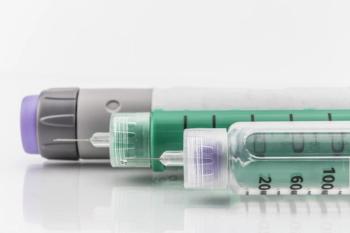
A new analysis finds branded insulin glargine (Lantus) still has a majority of total market volume and new drug starts despite competition from Semglee, an interchangeable biosimilar.
Funding cuts threaten public health programs; emergency room doctors see a surge in heat-related illnesses; national crisis line shows promising results with increased text volumes and reduced wait times.

A report from Samsung Bioepis highlighted the positive correlation between biosimilar usage and average sales price discounts, with the oncology space being more price sensitive than other areas.
Health-related quality of life is a psychometrically sound outcome measure for high-cost, high-need populations. Unlike health care spending, it does not exhibit mean reversion.

Patients with metastatic prostate cancer who face high financial toxicity resulting from treatment may cope in ways that impact overall quality of life, according to a recent study.

The study investigated event rates for several outcomes in the year following a first hospitalization for heart failure (HF), including implementation of guideline-directed medical therapy (GDMT).

Two abstracts presented at the 2023 American Society of Clinical Oncology annual meeting evaluated biosimilar adoption across oncology practices and highlighted the role payers play in preventing or promoting adoption.

After 7 years, competition for Humira is here. The first adalimumab biosimilar launched in January, but an additional 8, including an interchangeable product, will hit the US market in July.

The researchers focused on coverage trends across an array of disease states, including lymphoma, vision loss, and spinal muscular atrophy, finding discrepancies in coverage across 16 states and Medicaid Care Organizations.
Advertisement
Advertisement
Trending on AJMC
1
Delayed Dupilumab Raises Asthma Costs 32%: Nicola Hanania, MD
2
Regorafenib Prescribing in Advanced GIST Deviates From Guidelines
3
A Patient-Centered Reconstruction of 340B in Oncology: Transparency, Equity, and Site-of-Care Accountability
4
FDA Expands Finerenone Approval to CKD Associated With Type 1 Diabetes
5