



Health Care Delivery
Latest News
Advertisement
Latest Videos




Advertisement
More News

Scientists restored the CCNA2 gene in adult human heart cells, enabling them to divide and form new functional cardiomyocytes—advancing heart repair therapies.

Survivors of SJS/TEN face severe long-term physical and psychological effects, with major gaps in post-discharge care, support, and physician guidance.
Improving outcomes in chronic kidney disease relies on improving patient engagement.

A study links seborrheic dermatitis to multiple epithelial barrier diseases, supporting broader assessment for inflammation and barrier dysfunction.

Oncology specialist Jasmine Eugene, PharmD, explains how pharmacists practicing at the top of their license help close cancer care gaps amid provider shortages.
Rachel A. Prusynski, DPT, PhD, discusses her study on how payment models affect home health care delivery and patient outcomes.

Semaglutide and tirzepatide led to the most weight loss across 22 trials, while liraglutide remains a cost-effective alternative as its patent expires.

Men who have sex with men (MSM) expressed interest in both monthly oral pills and injections every 6 months to prevent HIV.
Jasmine Eugene, PharmD, explains how pharmacists practicing at the top of their license improve rural oncology access and ease physician workload.

Clark Alsfeld, MD, discusses how telemedicine, pharmacists, and evolving policies help overcome financial and geographic barriers in oncology care.

Danielle Roman, PharmD, BCOP, discusses the challenges of accessing genomic test results and managing prior authorization in patient care for breast cancer.
Broader eligibility, real-world data, and community partnerships are expanding access to CAR T-cell therapy.
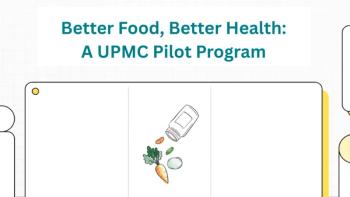
For the conclusion to this 4-part video series, tune in to learn the lessons each organization will carry forward from this pilot program experience.

The race of a telephonic care manager did not impact closure rates for gaps in care among Black Medicare Advantage beneficiaries.

Updated guidelines set lower systolic blood pressure goals, expanded risk-based treatment, and call for stronger implementation to close care gaps.

AI and digital tools are reshaping breast cancer care—from screening and trials to remote monitoring and lifestyle support.
Ochsner MD Anderson expands cancer care access in Louisiana through community partnerships, technology, and strong patient-physician relationships.

There is an urgent need for equitable care and access to cardiovascular care, said Vallerie McLaughlin, MD; Martha Gulati, MD; and Stephen Nicholls, MBBS, PhD.
Melanie Sheen, MD, describes efforts to boost diverse clinical trial enrollment through trust, community partnerships, and equitable patient engagement.
Oncology care advances target social determinants of health through AI, patient education, and community engagement.

One-third of F32 grant recipients secure follow-up NIH K awards, fueling new biomedical discoveries and career growth.
Lead CML researcher discusses the evolution of a groundbreaking treatment and its effect on patient survival.

The trial did not meet its primary end point for reducing plaque progression.
Integrating nephrology and cardiology care for patients with kidney and cardiovascular (CV) risks can be challenging but is possible, said Roy Mathew, MD.

Delgocitinib has emerged as a promising treatment for CHE, addressing unmet needs and enhancing understanding of this complex condition, notes Raj Chovatiya, MD, PhD, MSCI.
Advertisement
Advertisement
Trending on AJMC
1
FDA Expands Finerenone Approval to CKD Associated With Type 1 Diabetes
2
Twice-Yearly CD19 Therapy Targets MG Root Cause: Richard Nowak, MD, MS
3
GLP-1 Receptor Agonists Cut Ascites, Mortality in MASH
4
Hepatitis A Vaccine Prevents 96% of Infections Given Before Exposure
5