





Health Care Delivery
Latest News

Novel Orexin 2 Receptor Agonist Shows Promise for Management of Narcolepsy and Idiopathic Hypersomnia
By Kyle Munz
Advertisement
Latest Videos









Advertisement
More News

Although vapes have not been around long enough to yield long-term safety data, known risks associated with their ingredients and reported lung injuries suggest the dangers of this habit.

Researchers identified discrepancies between standard geographic market definitions and actual patient travel patterns, emphasizing the need for more accurate metrics to evaluate health care access and provider competition.

As presidential candidates Kamala Harris and Donald Trump diverge on health care reform paths, contrasting futures hinge on the outcome of the presidential election.

Physicians also differed from caregivers when asked how many hours of caregiving patients required each week.

Three proteins—THRAP3, STMN1, and GNA13—are overrepresented in blood cancers like acute myeloid leukemia (AML) and could prove to be novel targets for future therapies.

Although Bruton tyrosine kinase (BTK) inhibitor monotherapy in chronic lymphocytic leukemia (CLL) has been a game-changer, patients have significantly increased risks of infection, especially in the upper respiratory tract.

This week’s Center on Health Equity & Access highlights emphasize the role of social determinants of health in policy-making and underscore the importance of addressing rising costs and challenges employers face.

US drug shortages have decreased from 323 to 277 as of September 2024, yet many essential drugs remain scarce, with 50% of shortages lasting over 2 years due to ongoing supply and manufacturing issues.

The study findings underscore the importance of early initiation of macitentan and tadalafil among patients who have pulmonary arterial hypertension (PAH), and represent a shift in understanding of prognosis based on diagnosis timing.

Report reveals growing divide between subsidized and unsubsidized enrollees.
Despite proven benefits, referrals to pulmonary rehabilitation and palliative care for patients with idiopathic pulmonary fibrosis (IPF) in England remain significantly lower than for other respiratory conditions.

The machine learning model shows promise in detecting paroxysmal nocturnal hemoglobinuria (PNH) by assessing electronic health records (EHR) data, potentially transforming the diagnostic landscape for rare diseases.

Program yields largest savings in its history of more than $2.1 billion in 2023.

The FDA has approved oxycodone hydrochloride (RoxyBond) for the management of severe pain when other treatments have proved inadequate.

A recent retrospective, cross-sectional study found that detecting self-injurious thoughts and behaviors in youth requires improvement to ensure equitable identification of at-risk patients.

Prompt care supports mental well-being, as hidradenitis suppurativa is often associated with depression and anxiety due to its physical and social challenges.
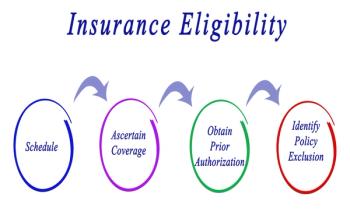
Prior authorizations (PA) have been the subject of much scrutiny as of late through research demonstrating subsequent limited access to care in the aftermath of PA denials from use of artificial intelligence (AI) technologies.

Oral function should be measured routinely to determine individual bulbar involvement stages in spinal muscular atrophy (SMA).
The Center on Health Equity & Access focuses on addressing disparities in health care access, exploring innovative solutions, policies, and research to improve health equity across diverse populations.

The Dobbs decision was associated with a 7% absolute increase in overall infant mortality—equivalent to 247 excess deaths—and a 10% increase among infants with congenital anomalies, corresponding to 204 additional deaths.

Both music combined with sleep hygiene and sleep hygiene alone significantly improved pregnancy related insomnia, a new study finds.

As National Breast Cancer Awareness Month comes to a close, here are 5 things to note about the prospect of preventive mastectomies for individuals with a high-risk of developing breast cancer.

The authors evaluated whether adolescents receiving care at accountable care organizations (ACOs) vs non-ACOs were more likely to initiate and complete the human papillomavirus (HPV) vaccination series.

At the regional Institute for Value-Based Medicine® event in Boston, Vinayak Venkataraman, MD, medical oncologist at Dana-Farber Cancer Institute and Harvard Medical School, was a panelist for the discussion, “Recent Advancements in Identifying Predictive Biomarkers for Sarcomas."

A pioneering program targeting gut microbiome health significantly reduces cancer treatment side effects, enhancing patient well-being and resilience.
Advertisement
Advertisement
Trending on AJMC
1
FDA Expands Finerenone Approval to CKD Associated With Type 1 Diabetes
2
Across the US, Obesity Care Still Lacks an Owner
3
GLP-1 Receptor Agonists Cut Ascites, Mortality in MASH
4
Twice-Yearly CD19 Therapy Targets MG Root Cause: Richard Nowak, MD, MS
5