






Health Care Delivery
Latest News
Advertisement
Latest Videos






Advertisement
More News

A trio of experts discuss the importance of early diagnosis, treatment barriers, and therapies in the pipeline for idiopathic pulmonary fibrosis (IPF).

Tailored promotion of testing for HIV and sexually transmitted infections can help to reduce the incidence of HIV in adolescents.

A systematic review of quality-of-life tools available specifically for pulmonary arterial hypertension (PAH) reveals that although several instruments demonstrate strong psychometric properties and reliability, significant gaps remain in these tools' validation and methodological rigor.

Read about the diverse array of research presented at this year's meeting, including novel technological advancements and insights into disease progression in multiple sclerosis (MS).

Real-world study compares the efficacy and safety of axicabtagene ciloleucel (axi-cel) and tisagenlecleucel (tisa-cel), finding that axi-cel provides superior progression-free survival but with higher toxicity.

This recent study sheds light on a remaining gap in spinal muscular atrophy (SMA) research and care considerations: the impact of spinal motor neuron (SMN) copy number.

Medicare accountable care organizations use preferred skilled nursing facility networks for postacute care management, although the size, structure, and resource allocation of networks vary widely.

A Yale School of Medicine team has created lists of criteria to help clinicians determine when next-generation sequencing (NGS) is appropriate for a patient with a myeloid neoplasm (MN), and when it is not.

Patients with ER-positive/HER2-negative metastatic breast cancer who received elacestrant experienced a significant reduction in disease progression or death compared with standard-of-care endocrine therapy.

The recommendations for surveillance account for newly identified hematopoietic malignancy predispositions (HMP) and HMP genes, as well as a greater understanding of the prevalence of germline variants putting children as an increased risk of MDS and other HMs.

Two posters presented at the 2024 American Society of Hematology meeting bolster evidence supporting the long-term clinical benefits of ruxolitinib for polycythemia vera and chronic graft-vs-host disease.

Older adults on Medicare Advantage had improved adherence and odds of a test return when a stool test was mailed to them for screening of colorectal cancer (CRC).

Researchers developed and tested an assessment tool to measure coordinated care for traumatic brain injury against the criteria of an integrated practice unit.

New insights underscore the value of considering sleep variability when addressing inequities in pediatric sleep health.

Long-term data support the safety and efficacy of venetoclax (Venclexta) and obinutuzumab (Gazyva) in chronic lymphocytic leukemia (CLL), though questions remain about which patients would benefit most from the regimen.

Oussama Wazni, MD, Cleveland Clinic, discusses insights from the OPTION trial and their potential implication on guidelines for post-ablation management in atrial fibrillation.

Aerosolized vascular endothelial growth factor/stromal cell-derived factor-1α (VEGFNP/SDFNP) led to a lower pulmonary arterial pressure and prevented right ventricular hypertrophy after monocrotaline (MCT) injection in rats.

Resistance training plus aerobic exercise had the greatest impact on patients' obstructive sleep apnea (OSA).

The Center on Health Equity & Access provides news and expert insights on research, health policy, and the impact of social determinants on health.

Myasthenia Gravis Foundation of America (MGFA) class correlates with activities of daily living and other clinical characteristics on a group level, but individual variability is significant between patients of the same MGFA class.

Promising topline results from a phase 3B study show the efficacy and quality of life (QOL) improvements of iptacopan (Fabhalta) as a twice-daily oral monotherapy for adult patients with paroxysmal nocturnal hemoglobinuria (PNH) who transitioned from anti-C5 therapies.
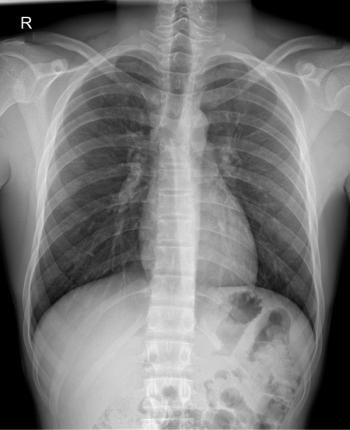
Many roadblocks exist to detecting and assessing pulmonary hypertension (PH) in patients with interstitial lung disease (ILD), but creative thinking and artificial intelligence (AI) may soon help improve the landscape.

Insurance hurdles worsen delays, force abandoned treatments, and result in hospitalizations and deaths, radiation oncologists report nationwide.

Discover strategies for identifying, treating, and supporting those affected by seasonal affective disorder (SAD).
Advertisement
Advertisement
Trending on AJMC
1
FDA Expands Finerenone Approval to CKD Associated With Type 1 Diabetes
2
Across the US, Obesity Care Still Lacks an Owner
3
GLP-1 Receptor Agonists Cut Ascites, Mortality in MASH
4
Twice-Yearly CD19 Therapy Targets MG Root Cause: Richard Nowak, MD, MS
5