






Health Care Delivery
Latest News
Advertisement
Latest Videos






Advertisement
More News

Lead investigators, presenters, and the chair of this year’s European Society of Cardiology Congress, John McMurray, MD, discussed the meeting highlights and recapped important data.

The tentative approval cannot take effect because a competing product was granted market exclusivity.
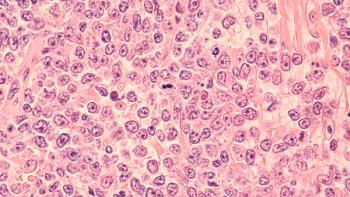
Recombinant Hirudin (rH) inhibited the polarization of M2-type macrophages and protease-activated receptor-1 (PAR-1) in diffuse large B-cell lymphoma (DLBCL).

This study characterized antihyperglycemic medication use after chronic kidney disease onset among patients with type 2 diabetes to uncover potential unmet needs in clinical practice.

Ian Neeland, MD, of University Hospitals and Case Western Reserve University, recommended a team-based, comprehensive approach to managing diabetes and its related complications.

According to some reports, the draft rule imposes strict limitations on telehealth prescriptions even as advocates push for extension of current flexibilities.

Manisha Jhamb, MD, MPH, of the University of Pittsburgh Medical Center (UPMC), is excited about CMS's negotiated drug prices under the Inflation Reduction Act (IRA) for patients with kidney disease; conversely, she highlights the challenge of low kidney disease awareness.
The authors assessed what attributes make provider networks adequate in the eyes of consumers, including travel times, inclusive care, and language access.

A recent study has found that higher serum levels of B-cell activating factor and anti-CCP3 are associated with a reduced risk of developing chronic lymphocytic leukemia (CLL), suggesting potential biomarkers for assessing CLL risk.

Ty J. Gluckman, MD, FACC, FAHA, of Providence St. Joseph Health, reacted positively to CMS' drug price cuts under the Inflation Reduction Act, but he also expressed concerns about the potential future impact on drug innovation.

A comparative analysis investigating time from a drug's approval to insurance reimbursement found that the speed of this process in the US falls behind some European countries.

New research linking telomere shortening to myelodysplastic syndromes (MDS) offers substantial therapeutic implications for affected patients and MDS research.

The COVID-19 pandemic accelerated the adoption of telehealth nationwide, revealing significant benefits while also exposing ongoing challenges.

A heart failure program with a multidisciplinary team provides statistically significant improvements, and 2 countries determine the current prices of semaglutide are not cost-effective for secondary prevention of cardiovascular disease in patients with obesity, according to abstracts at the European Society of Cardiology (ESC) Congress 2024.
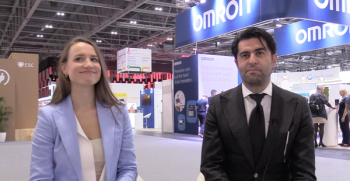
"Now we can actually focus and look at the disease itself, treat the heart disease itself, which is the plaque in the coronary arteries, as opposed to treating the risk of disease," Amir Ahmadi, MD, Mount Sinai, says in an interview at the European Society for Cardiology Congress.

Finerenone's approval by the FDA to treat type 2 diabetes–associated chronic kidney disease was supported by data from the phase 2 FIDELIO-DKD trial; now, the results of FINEARTS-HF show real-world application for patients living with heart failure with preserved ejection fraction or mildly reduced ejection fraction.

The obesity epidemic is a global crisis, with experts from around the world emphasizing the importance of short-term strategies, long-term solutions, and multidisciplinary collaboration as they advocate for the heart health of their patients.

Christopher Kramer, MD, vice president of the American College of Cardiology, discusses the newest data on finerenone for heart failure presented during the FINEARTS Hot Line session at the European Society of Cardiology Congress.

David Thompson, PhD, Queen’s University Belfast, expands on previous research he conducted that calls for cardiovascular health care providers to actively address care inequities evident in practice and policy.
Anna Mueller, MD, and Amir Ahmadi, MD, of Mount Sinai, highlight gaps in risk assessment tools for acute coronary syndrome, calling for more comprehensive screening strategies.

A joint session from the European Society of Cardiology and the World Heart Federation examined the impact of noise, climate change, and air pollution on cardiovascular disease.

After moderating an emerging science session on acute ST-elevation myocardial infarction care, Dipti Itchhaporia, MD, American College of Cardiology, discussed the growing inclusivity in clinical trials through innovative digital tools and addressed the impact of GLP-1 therapies on cardiovascular treatment.

Pregnant and postpartum women who have cardiovascular (CV) disease represent a high-risk group of patients who require specialized care and intense monitoring for optimal health of them and their baby.

New STEP-HFpEF findings presented at this year’s European Society of Cardiology Congress add to the many accolades this glucagon-like peptide-1 receptor agonist has already received for the numerous benefits it can produce among patients living with heart failure with preserved ejection fraction.

Mark Bleackley, PhD, Incannex, discusses the notable and surprising observations from the ongoing RePOSA study, and the developmental challenges they have encountered with their cannabinoid pharmacotherapy for patients with obstructive sleep apnea.
Advertisement
Advertisement
Trending on AJMC
1
FDA Expands Finerenone Approval to CKD Associated With Type 1 Diabetes
2
Delayed Dupilumab Raises Asthma Costs 32%: Nicola Hanania, MD
3
Across the US, Obesity Care Still Lacks an Owner
4
GLP-1 Receptor Agonists Cut Ascites, Mortality in MASH
5