




Insurance
Latest News
Advertisement
Video Series
Latest Videos






Shorts
1:17
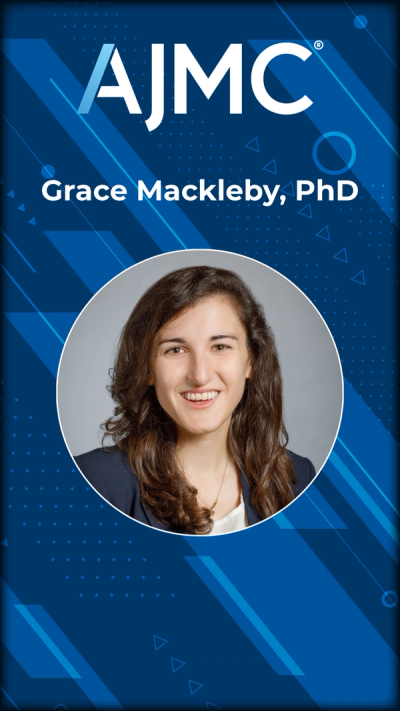
MA Switching Climbs Among Dual-Eligible Enrollees: Grace Mackleby, PhD
13 days ago
by
Brooke McCormick(+1 more)

0:53
The Future of Transplant Medicine: Karilyn Larkin, MD
16 days ago
by
Karilyn Larkin, MD(+1 more)

1:43
Grocery Assistance Supports Better Diabetes Outcomes: Jeff Romine, PhD
a month ago
by
Brooke McCormick(+1 more)

0:53
The Economic Impact of GLP-1 Discontinuation: Adam Colborn, JD
2 months ago
by
Pearl Steinzor(+1 more)
0:52
Pharmacy Access to Medication Abortion Care: Sally Rafie, PharmD
2 months ago
by
Sally Rafie, PharmD(+1 more)

1:49
Metastatic Cancer Drives Higher Medicaid Spending Across Payment Models: Anuraag R. Kansal, PhD
2 months ago
by
Brooke McCormick(+1 more)

0:54
How Pharmacists Are Expanding Reproductive Health Care Access: Sally Rafie, PharmD
2 months ago
by
Sally Rafie, PharmD(+1 more)
0:42
How Fraudulent Claims Are Inflating ACO Costs: Aisha Pittman, MPH
3 months ago
by
Pearl Steinzor(+1 more)
1:02
Health Plan Policies Can Expand Access to Pharmacy-Based Contraceptive Care: Sally Rafie, PharmD
4 months ago
by
Sally Rafie, PharmD(+1 more)
2:13
Study Finds Minimal Shifts in Primary Care Selection Following Benefit Design Changes: Tim McDonald, PhD, MPP
5 months ago
by
Brooke McCormick(+1 more)
Podcasts
Advertisement
More News

CMS finalized Transparency in Coverage updates as a researcher warns ghost rates and missing inpatient data limit payer price files.

A traditional Medicare out-of-pocket (OOP) cap could reduce beneficiaries’ costs but increase annual federal spending by $39 billion to $96 billion.
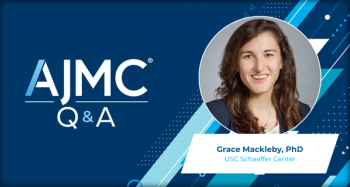
MA-to-MA switching among dually eligible beneficiaries rose sharply from 2016 to 2022, AJMC study author Grace Mackleby, PhD, found.

New data on atopic dermatitis show treatment gaps, heavy reliance on dermatology APPs, and wide state variation in specialist supply

Average stand-alone Part D premiums are projected to rise by less than $1 a month as a temporary subsidy program ends after 2026.

Aligning financial incentives with patient-centered care is becoming an increasingly complex path to navigate within oncology.

Biomarker testing, referrals, screening, treatment access, and clinical trial barriers were examined during this recent IVBM.

A new type of eye drug matched standard anti-VEGF therapy in a large trial for diabetic macular edema, a disease affecting 1.6 million Americans.

Payers say NCCN guideline concordance sets a baseline for cancer coverage, but cost and formulary variation may still limit access.

Accelerated approvals, surrogate end points, and high drug costs are reshaping cancer center formulary decisions, explained panelists at PCOC.

Most community oncology practices now administer bispecific antibodies in-office, but reimbursement gaps remain a top barrier, a survey finds.
Topical ruxolitinib prescribing in Medicare Part D surged through 2024, but its cost per day runs 16 times higher than generic tacrolimus.

All 50 states have applied for CMS's GENEROUS Model, a Medicaid drug pricing program expected to save $64.3 billion over the next decade.
Karen van Caulil, PhD, on how employers can improve cancer care by investing in access, prevention, and support through treatment and survivorship.
Debra Patt, MD, PhD, MBA, MPH, discusses AI adoption, administrative burden, and strategies to streamline prior authorization in oncology.

Each additional hour of nightly CPAP use was associated with 13% lower all-cause mortality risk in a French cohort of adults with sleep apnea.

Working-age adults with private insurance are paying off medical debt, often draining savings, delaying care, or cutting back on necessities as a result.
Patient factors and access barriers are reshaping treatment sequencing and individualized care for relapsed multiple myeloma, Amandeep Godara, MBBS, said.

Grocery Assistance Shows Potential in Diabetes Care and Beyond
Published: | Updated:
August authors Jeff Romine, PhD, and Kofi Essel, MD, MPH, found grocery assistance linked to fewer diabetes complications and better medication adherence.
Scheduling apheresis, manufacturing the cells, and ultimately administering the treatment can take several weeks, Madhav Seshadri, MD, explains.

Experts discuss what SCAN Health Plan's new Medicare Advantage (MA) partnership with Costco could mean for beneficiaries, competition, and costs.

Part D plans are navigating intensifying pressure from GLP-1 therapies, which combine relatively high per-patient costs with a massive eligible population.

Medicare Part D changes, premium stabilization expiration, and a Bridge demonstration converge with rising GLP-1 demand and costs.
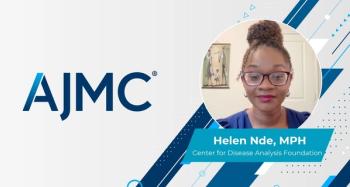
Early findings from the CDAF-Relink program highlight gaps in re-engagement, outreach barriers, and opportunities to reconnect patients to care.

How states can partner with free clinics and other local programs to realign incentives for uninsured patients.
Advertisement
Advertisement
Trending on AJMC
1
5 Things to Know About the One Big Beautiful Bill Act
2
PBM Reform and Supportive Care Needs: Nicolas Ferreyros
3
Coroner Reports Pennsylvania's Sixth Measles-Associated Death
4
Genetic Analysis Links Insomnia Liability to Higher Inflammation Marker
5