
Oncology
Latest News
Advertisement
Advertisement
ASCO's Peter Yu, MD, and Priority Health's Burton VanderLaan, MD, to Give Keynotes at AJMCLive Event
By
Bringing stakeholders together is the mission of AJMCLive, the meeting series of The American Journal of Managed Care. It's reflected in the two keynote speakers for Patient-Centered Oncology Care on Nov. 14: a leader of physicians, Peter Yu, MD, the current president of ASCO; and a leader among payers, Burton VanderLaan, MD, FACP, medical director of Priority Health.
75 percent of those at high risk for BRCA mutations have no idea they may have increased chance of ovarian cancer, drawing attention to the importance of genetic counseling.
In the twilight of his term of office, Kentucky Gov. Steve Beshear is savoring the political fruits from a leap of faith made 15 months ago, when he spurned his Legislature and opted to expand Medicaid, citing a unique provision in Kentucky regulations. A year after the CMS visit, Beshear and his team are the subject of glowing reports, which describe how a commonwealth with a history of getting things wrong in healthcare has done just about everything right in Obamacare.
An innovative method for using affordable, consumer-grade 3D printers and materials has been developed to fabricate custom medical implants that can contain antibacterial and chemotherapeutic compounds for targeted drug delivery.
The panel, based on next-generation sequencing, will help select the target population - to deliver precision medicine and improve outcomes.
Panel Discussion led by Seema Sonnad,PhD, that saw participation from ASCO's president Peter Paul Yu, MD; Jennifer Malin, MD, PhD, from WellPoint; Chadi Nabhan, MD, FACP, from the University of Chicago; and I.W. Tischler, MD, from Cigna.
The cost regulator for the NHS in England and Wales has said that Celgene's Revlimid should be an option for treating patients with a particular form of myelodysplastic syndromes.
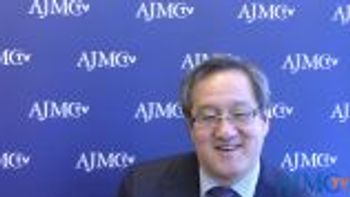
Peter Paul Yu, MD, FASCO, who this summer became president of the American Society of Clinical Oncology, shared how the group is leading the discussion of what constitutes value in cancer care, as well as the need to engage all stakeholders in this critical topic.
Combining nab-paclitaxel with nivolumab is expected to have a synergistic effect in the various tumor types to be targeted, while providing Celgene access to the immunooncology race.
The trials will evaluate the efficacy of erlotinib or crizotinib in preventing lung cancer recurrence, as well as survival, in patients carrying mutations in either EGFR or ALK, who are clinically free of the disease.
Guidelines, such as those developed by the Children's Oncology Group, can prove a useful resource to monitor and/or treat adults who have previously been treated for a pediatric cancer.
The two studies, published in the August issue of JAMA Internal Medicine, examine the pros and cons of the current cancer screening methodologies.
The writer asks: is more information better, even if we don't understand what it means?
The study, published in the British Journal of Cancer, observed poor survival at the end of the follow-up period in men carrying the mutation, compared to non-carriers.
Advertisement
Advertisement
Trending on AJMC
1
5 Things to Know About the One Big Beautiful Bill Act
2
Coroner Reports Pennsylvania's Sixth Measles-Associated Death
3
Medicaid Obesity GLP-1 Coverage May Offset Some Diabetes-Labeled Use
4
FAQ: How Payers Can Close HIV Prevention and PrEP Access Gaps
5