




Sleep
Latest News
Advertisement
Latest Videos





Advertisement
More News

A study conducted in China found that participants who used a smartphone application had improved insomnia severity compared with those who received sleep education.

Recognizing markers like atonia index during wakefulness (WAI) that are not present in other hypersomnias might help in the diagnosis of narcolepsy.
A recent study conducted in Norway found that too much or too little self-reported sleep was associated with 44% and 25% greater risk of infection, respectively, and higher antibiotic use.
A new study examining sleep irregularity and sleep duration found that sleep irregularity was associated with several indictors of heart disease.

The high prevalence of anxiety and depression in patients with narcolepsy suggests that a biological relationship is present between the disorders, but larger studies are needed.

Telemonitoring may help improve continuous positive airway pressure (CPAP) therapy adherence for patients with obstructive sleep apnea syndrome (OSA), while motivational enhancement therapy (MET) most significantly impacted long-term adherence, according to a recent study.

Behavioral and combined behavioral and pharmacological interventions were investigated for their potential to help improve sleep outcomes in children with attention-deficit/hyperactivity disorder (ADHD).

Certain variables have been shown to have both positive and negative influences on the willingness to pay for sleep disturbance treatment, such as wealth, insurance coverage, quality of life, and age.
Having worse sleep is linked with the greatest gain in sleeping longer after treatment with cognitive behavioral therapy for insomnia (CBT-I), according to a recent study.

A review explored clinical considerations related to the pathogenesis, diagnosis, and management of idiopathic hypersomnia.

No difference in treatment efficacy was observed between intranasal mometasone furoate and saline for the management of sleep-disordered breathing (SDB) symptoms in children, with findings indicating that almost one-half of children with SDB could be initially managed in the primary care setting.

New research shows that factors such as work and childcare contribute to less sleep in midlife, with these new study findings aligning with previous data.
A study found that depressive symptoms were associated with a sleep midpoint outside of 2:00-4:00 am.

The most-read content in sleep this year included articles on narcolepsy, continuous positive airway pressure adherence, and new drugs approved for insomnia, among other stories.
A new study found that short sleep duration and high siesta ratio were associated with a higher risk of hypertension and elevated risk of cardiovascular diseases.

Identifying dementia could be easier by using a routine sleep EEG to incorporate dementia screening techniques.
Patients who used a mandibular advancement device (MAD) to address their obstructive sleep apnea (OSA) symptoms reported improvement in their sleep quality and tiredness on waking even if their sleep criteria did not indicate a response to treatment, indicating the importance of a posttreatment sleep study to ensure MAD efficacy.

The Sleep 2022 meeting from early June included talks on narcolepsy, the role of race in sleep disturbances, and the use of opioids in restless leg syndrome.
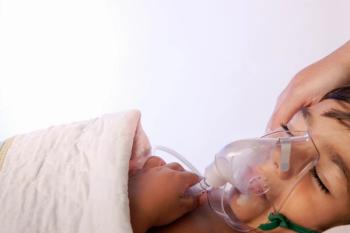
A study found that people with Down syndrome with caregivers who were aware of the updated American Academy of Pediatrics (AAP) guidelines on screening for obstructive sleep apnea (OSA) were diagnosed earlier and had better health outcomes for OSA.

A new study has found that food insecurity is associated with poor sleep quality and quantity in adults.

A meta-analysis found that postoperative atrial fibrillation was associated with sleep-disordered breathing in patients who underwent cardiac surgery.
A study found a high prevalence of insomnia in patients with alcohol use disorder (AUD), and results indicate that sex, depression, and physical activity can also be linked to insomnia in these patients.
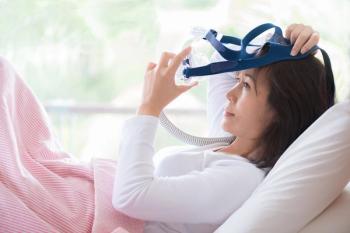
A study found that a high risk of obstructive sleep apnea (OSA) was associated with men and chronic metabolic disease, especially in patients with diabetes, hypertension, and obesity.

A study in Brazil found that delaying the start to the school day by an hour improved sleepiness and mood profile in children attending high school.

A study found that gut microbiota composition was associated with sleep quality and cognitive performance in older adults with insomnia.
Advertisement
Advertisement
Trending on AJMC
1
Coroner Reports Pennsylvania's Sixth Measles-Associated Death
2
CMS Rule Ends Medicaid, CHIP Funding for Pediatric Gender Care
3
MedHaul Closes Care Gaps With Single Stop for Getting Patients to Appointments
4
FDA Approves First Treatment for BCG-Unresponsive Bladder Cancer
5