


Value-Based Care
Latest News
Advertisement
Latest Videos




Advertisement
More News

Ayodeji Adegunsoye, MD, PhD, MSc, highlights how the underrepresentation of minority populations in pulmonary fibrosis genetic studies hinders accurate disease risk prediction and broader clinical translation.

Caroline Vovan, PharmD, CDE, emphasized the expanding role of ambulatory clinical pharmacists in value-based care.
Ambulatory clinical pharmacists improve patient outcomes and reduce health care costs by providing hands-on chronic disease management, patient education, and medication cost oversight, according to Caroline Vovan, PharmD, CDE.
Caroline Vovan, PharmD, CDE, highlights how ambulatory clinical pharmacists contribute to value-based care by managing chronic conditions, improving medication adherence, and reducing costs.

The new Blueprint for Patient-Centered Value Research offers a roadmap for embedding patient voices throughout every stage of the research journey to foster more equitable, transparent, and responsive health care systems.

Sanjay Doddamani, MD, MBA, a former senior advisor to the Center for Medicare and Medicaid Innovation, and internist and cardiologist by training, explains how the Wasteful and Inappropriate Service Reduction (WISeR) Model hopes to work, and addresses concerns about delays and denials from revamped prior authorization processes.

Robert Kratzke, MD, urged insurance providers to prioritize fast biomarker testing in non–small cell lung cancer, saying it’s both cost-effective and life-saving.

Tyler Sandahl, PharmD, a clinical pharmacist at Mayo Clinic, explains that sequencing novel multiple myeloma therapies with CAR T-cell therapy is generally prioritized first for eligible patients, while bispecific antibodies are reserved for later lines or for patients unable to tolerate CAR T.

To mark the 30th anniversary of The American Journal of Managed Care (AJMC), each issue in 2025 includes a special feature: reflections from a thought leader on what has changed—and what has not—over the past 3 decades and what’s next for managed care. The July issue features a conversation with David J. Shulkin, MD, a physician and former secretary of the US Department of Veterans Affairs.
Tyler Sandahl, PharmD, a clinical pharmacist at Mayo Clinic, discussed the complexities of alternative payment models for chimeric antigen receptor T-cell and bispecific therapies and the need for improved data sharing in cancer care.

Avoiding downstream testing ultimately makes it cheaper for whoever is footing the bill, says Merrill H. Stewart, MD, Ochsner Health.

In 2025, each issue of Population Health, Equity & Outcomes will feature a profile of a health system leader transforming care in their area of expertise. This issue spotlights a conversation with Ken Cohen, MD, executive director of translational research at Optum Health.

Discontinuing the weight loss treatment before hitting the recommended maintenance dose contributes to low-value care despite provider follow-up and efforts to manage side effects, says Hamlet Gasoyan, PhD, Cleveland Clinic.

Coverage from IVBM Princeton, held May 8, 2025.

Supported value-based care improves prenatal care while reducing neonatal intensive care unit stays, preterm birth rates, low birth weight rates, and costs for mothers and infants.
Julia Lucaci, PharmD, MS, of Becton, Dickinson and Company, discusses the benefits of blister packaging for chronic medications, advocating for payer incentives to boost medication adherence and improve health outcomes.

Pharmacists play a crucial role in managing treatment with chimeric antigen receptor T-cell therapy and bispecific antibodies, focusing on patient selection and side effects, explained Eileen Peng, PharmD, of Astera Cancer Care.

Remote symptom monitoring in cancer care reduces hospitalizations, enhances value-based care, and supports diverse patient populations, according to new findings.

Primary care nurse practitioners were found to use low-value care at lower or relatively similar rates compared with the general clinician population.

Lalan Wilfong, MD, of Thyme Care and Texas Oncology, discusses a session on circulating tumor DNA (ctDNA) and shares insight as chair of the Community Oncology Alliance (COA) Payer Reform Committee.
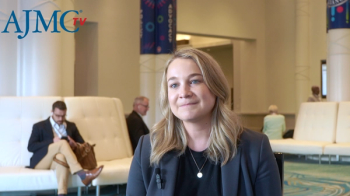
Kate Baker, MD, MMHC, medical director of value-based care at Tennessee Oncology, talks about innovations in cancer care highlighted at the Community Oncology Conference.

Mike Fazio, director of value-based care at Navista, Cardinal Health, discusses a trending topic at the 2025 Community Oncology Conference: optimizing oncology care with technology.

Accountable care organizations (ACOs) are increasingly playing the role of data sleuths as they identify and report trends of anomalous billing in hopes of salvaging their shared savings. This mission dovetails with that of CMS, which under the new administration plans to prioritize rooting out fraud, waste, and abuse.

The California-based entities plan to offer new Medicare Advantage (MA) products in select counties by this fall.

This article reviews underlying barriers to health care access and discusses how a value-based diabetes care model could improve patient outcomes and reduce long-term costs.
Advertisement
Advertisement
Trending on AJMC
1
5 Things to Know About the One Big Beautiful Bill Act
2
Coroner Reports Pennsylvania's Sixth Measles-Associated Death
3
Automated HCV Surveillance Shows Promise But Needs Validation
4
Income, Education NHL Mortality Gaps Widened in Canada in 2 Decades
5