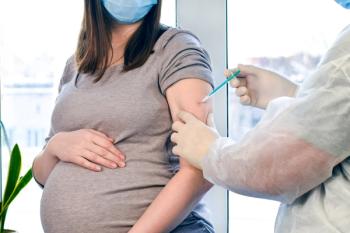
Infant flu protection from maternal vaccination varied by timing, while pediatric vaccination fell to 49.4%, experts report at IDWeek 2026.
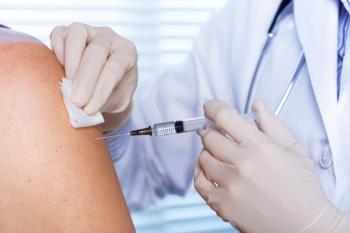
A new study finds 2024-2025 COVID-19 vaccines reduced hospitalization and critical illness risk among adults, although protection waned over time.
Adults vaccinated against
COVID-19 vaccines are proven to be effective at preventing and reducing COVID-19 and associated severe disease and mortality.1 Although the most recent assessment of VE was more moderate than previous years compared with nonvaccinated adults, prior research has said that current vaccines may be less effective against
This study was conducted between September 5, 2024, and September 2, 2025. Eligible participants were 18 years or older who visited emergency departments (EDs) or urgent care (UC) with COVID-19–like illness and had at least 1 SARS-CoV-2 test performed at most 10 days prior through the 72 hours after contact. Case patients received a positive SARS-CoV-2 test through the designated time period and a negative test for
There were 333,262 ED/UC encounters with COVID-19–like illness included in the study. Of these encounters, the median age was 54 years, with 37% of patients 65 years and older. Sixty percent of patients were female. Out of the total encounters assessed, 66,534 (20%) had evidence of 2024-2025 COVID-19 vaccination in the control group compared with 3140 (15%) patients in the case group.
Estimated VE among immunocompetent adults was 26% (95% CI, 23%-29%) 7 to 299 days after 2024-2025 COVID-19 vaccination. The VE was lowest between 180 to 299 days (11%; 95% CI, 5%-18%) after vaccination and highest between days 7 to 59 (38%; 95% CI, 33%-43%) days after vaccination.
There were 97,663 hospitalizations with COVID-19–like illness among immunocompetent adults. Of the hospitalizations, 23,477 (24%) had evidence of 2024- 2025 COVID-19 vaccination in the control group compared with the 911 (7%) case patients.
The estimated VE against COVID-19–associated hospitalizations was 35% (95% CI, 30%-40%) 7 to 299 days after 2024-2025 COVID-19 vaccination. VE estimates were highest 7 to 59 days after vaccination (51%; 95% CI, 43%-58%) and very low 180 to 299 days after vaccination (0%; 95% CI, −15% to 13%).
Among immunocompetent adults 18 years and older, estimated VE against critical illness was 41% (95% CI, 28%-51%), with less evidence of waning effectiveness with more time since dose (VE 7-59 days after vaccination: 55%; 95% CI, 34%-69%; VE 180-299 days after vaccination: 23%; 95% CI, −12% to 47%).
These findings are consistent with prior studies demonstrating that COVID-19 vaccination reduces the risk of severe disease and hospitalization.
The study was limited as all the data came from electronic health records, meaning some variable may have been underascertained and impacted VE estimates. Vaccinated participants were generally older and had more comorbidities than unvaccinated participants, which may have biased VE estimates toward lower effectiveness.
“For practicing clinicians, these results affirm that annual COVID-19 vaccination continues to meaningfully reduce the risk of severe outcomes, especially in the first 6 months after vaccination and among patients at highest risk,” the study authors concluded.
References
1. Wiegand RE, Payne AB, Mak J, et al. Estimated effectiveness of 2024-2025 COVID-19 vaccines in adults. JAMA Intern Med. Published online June 15, 2026. doi:10.1001/jamainternmed.2026.1936
2. McCrear S. Cicada COVID-19 variant FAQs: symptoms, risk, and prevention. AJMC®. June 4, 2026. Accessed June 15, 2026.
3. Weekly COVID-19 vaccination dashboard. CDC. May 20, 2026. Accessed June 15, 2026.