
Opinion|Videos|September 14, 2026
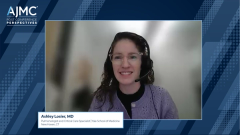
Early Data on Inhaled Clofazimine for MAC and NTM
Author(s)Ashley Losier, MD
Early data on inhaled clofazimine suggest the drug can reach the lung at meaningful concentrations with far less systemic exposure than oral therapy, though efficacy evidence remains preliminary.
Advertisement
Episodes in this series
In "Early Data on Inhaled Clofazimine for MAC and NTM," Dr. Losier reviews early evidence for an inhaled approach to an old antimycobacterial drug.
Dr. Losier discusses a broader strategy in NTM treatment: using inhaled delivery to concentrate antimicrobial activity in the lung while minimizing systemic toxicity. Clofazimine is already used systemically for NTM pulmonary disease and carries both antimycobacterial and anti-inflammatory properties, but oral therapy is typically prolonged and accumulates in tissue, contributing to side effects such as skin discoloration and gastrointestinal toxicity. The rationale for this study was that an inhaled formulation might achieve higher pulmonary drug concentrations while reducing systemic exposure.
The trial was a randomized, double-blind, placebo-controlled study in adults with MAC or Mycobacterium abscessus pulmonary disease who had at least two positive sputum cultures. Patients received inhaled clofazimine or a placebo nebulizer during a blinded phase lasting roughly six to seven months, followed by an open-label option to continue inhaled clofazimine. Investigators assessed serial sputum cultures, pharmacokinetics, pulmonary function, EKGs, and safety throughout.
Preliminary findings showed that inhaled clofazimine achieved meaningful lung drug concentrations with substantially lower systemic exposure than oral clofazimine. The drug was generally well tolerated, with early evidence of microbiologic activity and trends toward culture conversion in both the Mycobacterium avium and Mycobacterium abscessus cohorts. Notably, there were no clinically significant QTc signals in the intervention arm.
Dr. Losier is careful to frame this as preliminary data that cannot yet establish definitive efficacy, which would require a large Phase 3 trial. Conceptually, though, she sees inhaled antimycobacterial therapy as an exciting direction, building on the pulmonary delivery success already shown with inhaled amikacin liposome. If larger studies confirm sustained efficacy and tolerability, she believes inhaled clofazimine could become especially valuable for infections like Mycobacterium abscessus, where systemic treatment options remain very limited.
The next episode, "Why Patient-Reported Outcomes Matter in MAC Treatment," shifts focus to how patients actually experience MAC treatment, not just what their cultures show.
Advertisement
Related to this article

Hiddo Heerspink, PhD, discusses finerenone data in type 1 diabetes, FSGS and IgA nephropathy, and open questions on sequencing CKD therapies.

Insmed launches once-daily brensocatib in Japan, the country's only approved treatment for noncystic fibrosis bronchiectasis.
Advertisement
Advertisement
Trending on AJMC
1
Awareness Gaps Drive Narcolepsy, IH Delays: Logan Schneider, MD
2
Merck, Moderna Cancer Vaccine Cuts Melanoma Recurrence Risk by 42%
3
Povetacicept Cuts Proteinuria by 52% in IgA Nephropathy at Week 36
4
Nephrologists Weigh Wins, Losses From 5 Years of Value-Based Kidney Care
5