

Opinion|Videos|April 21, 2026
Guideline Updates Reflect Growing Role of Immunotherapy in CSCC
Author(s)Vishal Anil Patel, MD
Immunotherapy—particularly PD-1 inhibition with cemiplimab—is reshaping CSCC care by expanding into neoadjuvant and adjuvant settings and offering durable disease control in high-risk patients.
Advertisement
Episodes in this series
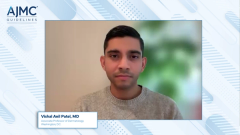
Immunotherapy is rapidly transforming the treatment landscape for advanced and high-risk cutaneous squamous cell carcinoma (CSCC), shifting it from a primarily surgical disease to one increasingly defined by immune-based strategies. According to Vishal Anil Patel, MD, of the George Washington Cancer Center, this evolution reflects a deeper understanding of CSCC as an immune-driven malignancy that arises in the setting of immune dysfunction and responds robustly to immune checkpoint inhibition.
PD-1 inhibitors such as cemiplimab have demonstrated substantial and durable responses in patients with unresectable or metastatic disease, helping establish immunotherapy as a cornerstone of care. More recently, their role has expanded into earlier stages of disease. Neoadjuvant use—administered prior to surgery—has shown particularly promising outcomes, with high response rates and emerging long-term data suggesting durable disease control and low recurrence among responders. Patel notes that activating the immune system while the tumor is still present may enhance immune recognition and lead to more sustained anti-tumor effects.
The introduction of adjuvant cemiplimab for patients with very-high-risk disease following surgery and radiation marks a significant milestone. Supported by clinical trial evidence and incorporated into National Comprehensive Cancer Network guidelines, this approach offers the first FDA-approved immunotherapy option in the postoperative setting for CSCC. It provides clinicians with a strategy to reduce recurrence risk in patients with the most aggressive disease features, including nodal and extranodal involvement.
Despite this progress, questions remain regarding optimal sequencing. While many clinicians favor neoadjuvant therapy, it is not FDA approved in transplant patients, and definitive phase 3 data are still pending. As a result, treatment decisions require careful, individualized consideration and multidisciplinary input.
Overall, Patel emphasizes that immunotherapy is not only reshaping treatment paradigms but also redefining how clinicians understand and manage CSCC—both now and in the future.
Advertisement
Related to this article
Hiddo Heerspink, PhD, discusses finerenone data in type 1 diabetes, FSGS and IgA nephropathy, and open questions on sequencing CKD therapies.

Insmed launches once-daily brensocatib in Japan, the country's only approved treatment for noncystic fibrosis bronchiectasis.

Cross-ancestry GWAS of more than 1.8 million people flags SERPINA1, SMAD3, and other bronchiectasis targets shared with COPD and chronic bronchitis.

The FDA approved bepirovirsen, the first antisense oligonucleotide for chronic hepatitis B, offering a new treatment with functional cure potential.

ALIS added to azithromycin and ethambutol raised culture conversion in new MAC lung disease, with rare resistance, in an ENCORE analysis at IDWeek 2026.
Advertisement
Advertisement
Trending on AJMC
1
Merck, Moderna Cancer Vaccine Cuts Melanoma Recurrence Risk by 42%
2
Real-World AMKD Data Highlight Quick Progression, Unmet Needs
3
IDWeek Studies Tie RSV, Flu, and COVID-19 to Harm After Acute Illness
4
Former USAID Health Chief Says Aid Cuts Are Costing Children's Lives
5