
Opinion|Videos|January 15, 2026
Highlighting Progress in Autologous CAR T-Cell Therapy for MCL
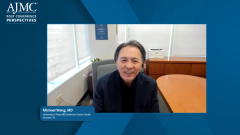
Author(s)Michael Wang, MD
ATALANTA-1 data presented at ASH 2025 showed remarkable response rates and rapid manufacturing with an investigational autologous CAR T-cell therapy.
Advertisement
Episodes in this series
In this interview, Michael Wang, MD, comments on ATALANTA-1 trial data presented at ASH 2025. He highlights the trial’s exceptional efficacy, with a 100% overall response rate and complete responses observed in up to 89% of treated patients. These outcomes underscore the therapy’s strong antitumor activity, particularly when paired with encouraging durability of response.
A major distinguishing feature of the ATALANTA-1 product is its rapid manufacturing process. The reported vein-to-vein time of approximately 7 days represents a substantial improvement over conventional autologous CAR T therapies, which typically require 2 to 3 weeks for cell production. This shortened timeline is clinically meaningful, especially for patients with aggressive disease who may not tolerate extended delays.
Wang places the ATALANTA-1 findings within the broader context of CAR T-cell development, where significant interest has shifted toward allogeneic, “off-the-shelf” products designed to reduce cost and logistical complexity. However, he cautions that, despite their promise, allogeneic CAR T-cell therapies have not yet matched the efficacy or durability achieved with autologous approaches. In his view, ATALANTA-1 represents a fast, highly effective autologous CAR T therapy.
Wang also acknowledges emerging platforms such as CAR NK cells and in vivo CAR T technologies but notes these remain investigational. Overall, the ATALANTA-1 data reinforce that optimized autologous CAR T therapy continues to set the standard as cellular therapy rapidly evolves.
Advertisement
Related to this article
Early MASH risk stratification, drug choice, and aligned coverage could improve outcomes, explained Zobair Younossi, MD.

These phase 3 EXCALIBER-RRMM findings build on earlier MRD-negative complete response results supporting FDA approval of the iberdomide-based regimen.

Admilparant 60 mg met the ALOFT-IPF primary end point, significantly improving FVC change vs placebo at 52 weeks in idiopathic pulmonary fibrosis.

At a roundtable in Cleveland, kidney experts said IgA nephropathy and FSGS often go unrecognized, calling for EHR flags and better referral channels.
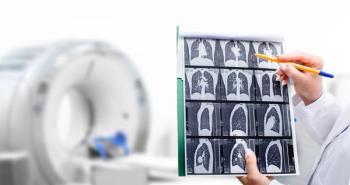
AI quantitative CT (UCLA QILD, Brainomix e-Lung) predicts FVC decline and drug response in PPF, strengthening biomarkers beyond spirometry in INBUILD.

The conference session featured updates on several clinical trials, including the BRUNELLO trial, for treatment of diabetic macular edema (DME).

Panelists engaged in a debate regarding using complement inhibitors in geographic atrophy, gauging public sentiment with a deciding vote.

A session at AAO 2026 highlighted how big data and minimally invasive glaucoma surgery (MIGS) could be utilized to help patients receive peak care.
Advertisement
Advertisement
Trending on AJMC
1
Coroner Reports Pennsylvania's Sixth Measles-Associated Death
2
CMS Rule Ends Medicaid, CHIP Funding for Pediatric Gender Care
3
MedHaul Closes Care Gaps With Single Stop for Getting Patients to Appointments
4
FDA Approves First Treatment for BCG-Unresponsive Bladder Cancer
5