
Opinion|Videos|January 22, 2026
Translational Research at ASH 2025 Illuminate Resistance, Risk Stratification in MCL
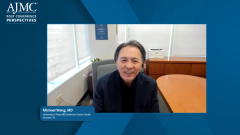
Author(s)Michael Wang, MD
Michael Wang, MD, highlights standout translational studies from ASH 2025 that advance understanding of prognosis and drug resistance in mantle cell lymphoma through epigenetic profiling and the biology of drug-tolerant persister cells.
Advertisement
Episodes in this series
In this interview, Michael Wang, MD, discusses translational research from ASH 2025 that could impact MCL, a rare disease representing only about 6% of lymphomas. He emphasizes the significance of generating robust translational data in such a small patient population, particularly given the challenges of sample collection even at major academic centers.
The first study Wang highlights describes the
Wang underscores that this work exemplifies high-quality translational research, bridging laboratory science and clinical care. He suggests that beyond risk stratification, such epigenetic signatures may ultimately identify driver events that can be leveraged as biomarkers or therapeutic targets. While the abstract format limits the depth of data presented, Wang anticipates that future full publications may reveal even more clinically actionable insights.
The
Together, Wang notes, these studies stand out for moving beyond clinical efficacy to address why therapies succeed or fail, offering critical insights that could inform future biomarkers, combination strategies, and resistance-prevention approaches in MCL.
Advertisement
Related to this article
Early MASH risk stratification, drug choice, and aligned coverage could improve outcomes, explained Zobair Younossi, MD.

These phase 3 EXCALIBER-RRMM findings build on earlier MRD-negative complete response results supporting FDA approval of the iberdomide-based regimen.

Admilparant 60 mg met the ALOFT-IPF primary end point, significantly improving FVC change vs placebo at 52 weeks in idiopathic pulmonary fibrosis.

At a roundtable in Cleveland, kidney experts said IgA nephropathy and FSGS often go unrecognized, calling for EHR flags and better referral channels.

AI quantitative CT (UCLA QILD, Brainomix e-Lung) predicts FVC decline and drug response in PPF, strengthening biomarkers beyond spirometry in INBUILD.

The conference session featured updates on several clinical trials, including the BRUNELLO trial, for treatment of diabetic macular edema (DME).

Panelists engaged in a debate regarding using complement inhibitors in geographic atrophy, gauging public sentiment with a deciding vote.

A session at AAO 2026 highlighted how big data and minimally invasive glaucoma surgery (MIGS) could be utilized to help patients receive peak care.
Advertisement
Advertisement
Trending on AJMC
1
Coroner Reports Pennsylvania's Sixth Measles-Associated Death
2
CMS Rule Ends Medicaid, CHIP Funding for Pediatric Gender Care
3
MedHaul Closes Care Gaps With Single Stop for Getting Patients to Appointments
4
FDA Approves First Treatment for BCG-Unresponsive Bladder Cancer
5