

Opinion|Videos|March 14, 2025
How Bispecific Antibodies Are Reshaping Cancer Care
Experts discuss how the availability of bispecific therapies has influenced treatment paradigms in oncology and how bispecifics fit into current treatment algorithms for hematologic malignancies and solid tumors.
Advertisement
Episodes in this series
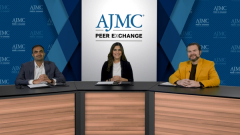
Video content above is prompted by the following:
- How has the availability of bispecific therapies influenced treatment paradigms in oncology?
- How do bispecifics fit into current treatment algorithms for hematologic malignancies and solid tumors?
Advertisement
Related to this article

Cross-ancestry GWAS of more than 1.8 million people flags SERPINA1, SMAD3, and other bronchiectasis targets shared with COPD and chronic bronchitis.

The FDA approved bepirovirsen, the first antisense oligonucleotide for chronic hepatitis B, offering a new treatment with functional cure potential.
ALIS added to azithromycin and ethambutol raised culture conversion in new MAC lung disease, with rare resistance, in an ENCORE analysis at IDWeek 2026.
Insmed’s once-daily TPIP prodrug shows sustained lung vasodilation in PAH and PH-ILD, improving walk distance and other key measures.
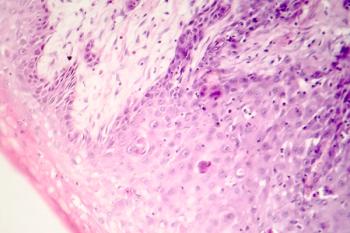
Cosibelimab received an NCCN Category 2A preferred designation for locally advanced CSCC, supported by durable responses and low immune toxicity.

ASPEN links green sputum to neutrophils and exacerbations; brensocatib (DPP1) lowers purulence, while meta-analysis supports fewer flare-ups in bronchiectasis.

Experts at CHEST 2026 urge pulmonologists to keep lung cancer in mind for younger patients who never smoked, to order screening and biomarker testing themselves, and to advocate for patients' access to care.

Phentolamine 0.75% (Ryzumvi) won FDA approval for presbyopia based on the phase 3 VEGA-2 and VEGA-3 trials.
Advertisement
Advertisement
Trending on AJMC
1
Awareness Gaps Drive Narcolepsy, IH Delays: Logan Schneider, MD
2
Administrative Burden Keeps Clinicians From Bedside: Amy Morris, MD
3
Extension Studies in TPIP Show Promise in PAH, PH-ILD
4
International Panel Agrees on Framework for Tapering Psoriasis Biologics
5