
Commentary|Videos|June 17, 2026
Hub-and-Spoke Model Eases Community Bispecific Access: Zahra Mahmoudjafari, PharmD
Fact checked by: Giuliana Grossi
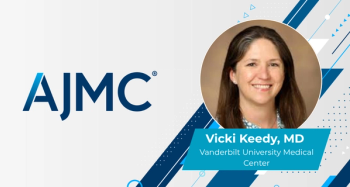
Zahra Mahmoudjafari, PharmD, outlines how community hospitals can safely manage bispecific therapy and offset reimbursement challenges.
Advertisement
Community hospitals can build a quality bispecific therapy program without permanently reserving inpatient or observation beds as long as they establish a reliable escalation pathway for complications like cytokine release syndrome (CRS), according to Zahra Mahmoudjafari, PharmD, MBA, BCOP, FHOPA, director of pharmacy, advanced therapeutics, at The University of Kansas Health System.
How Can Community Hospitals Build a Safe Bispecific Program Without Dedicated Beds?
Mahmoudjafari said quality in a bispecific program is less about whether a facility holds a formal designation and more about the reliability of its systems. Programs should start by defining which agents and patient populations are appropriate for an outpatient model, potentially using prophylactic medications to reduce risk, and by understanding the organization's existing capabilities. A hospital with a formal transfer agreement with an emergency department or another facility already has a point of escalation for patients who need inpatient support.
Standardized order sets, clinical team training on toxicity grading and treatment algorithms, and immediate access to supportive care medications such as tocilizumab and steroids are also central to the model.
"If they have a 24-hour contact structure, that is one of the key pieces of this recipe," Mahmoudjafari said.
Patient and caregiver selection matters as well, including transportation reliability, proximity to the hospital, and caregiver availability. For smaller hospitals affiliated with academic medical centers, Mahmoudjafari pointed to a hub-and-spoke model, where the academic center manages the highest-risk doses and the community practice administers later doses once tolerability is established.
How Can Programs Offset Revenue Loss From Inpatient Bispecific Care?
Asked how programs can mitigate revenue loss when bispecific therapy is administered inpatient, Mahmoudjafari said the financial concern is real, since high-cost drugs given during an inpatient stay are absorbed into a bundled payment that often does not reflect acquisition cost or monitoring resources. She recommended engaging pharmacy, finance, revenue cycle, contracting, and utilization management stakeholders before the first patient is treated, since reimbursement dynamics differ across commercial, Medicare, and Medicaid payers.
Each product and payer combination should be modeled individually to estimate drug and hospital reimbursement, nursing and monitoring costs, and the financial impact of an unplanned admission. Mahmoudjafari noted that more centers are shifting toward outpatient-first pathways in appropriate patient populations, which can improve reimbursement, but said that should not be the primary driver of site-of-care decisions. Verifying patient benefits in advance also helps clarify these pathways. Ultimately, she said, clinical risk should be matched to the least resource-intensive setting that can safely support the patient.
Advertisement
Related Content
Advertisement



Advertisement
Advertisement
Trending on AJMC
1
Jeff Hunnicutt to Bring Community Oncology Roots to New Role as Navista COO
2
Contributor: State Leaders Need Real-World Evidence to Integrate Social Care at Scale
3
New MINT Trial Analysis Favors Liberal Transfusion After MI
4
Nipocalimab Improves gMG Outcomes Across East Asian Subgroup
5