
Commentary|Videos|July 2, 2026
UCART22 Advances to Phase 2 Following Encouraging Phase 1 Results in R/R B-Cell ALL: Nitin Jain, MD
Author(s)Brooke McCormick, Nitin Jain, MD
Fact checked by: Maggie L. Shaw
Phase 1 BALLI-01 data showed UCART22 induced remissions with limited severe CRS/ICANS in relapsed/refractory B-cell ALL, supporting phase 2.
Advertisement
In part 1 of his interview with The American Journal of Managed Care® at the
A switch to in-house manufacturing improved complete remission rates to about 36%, supporting a recommended phase 2 dose of 5×10⁶ cells/kg.
Building on this, Jain turned to the safety profile, noting that the study saw very limited grade 3 or higher cytokine release syndrome (CRS) and immune effector cell–associated neurotoxicity syndrome (ICANS), with no patients experiencing grade 4 or 5 events of either. Therefore, he described the therapy as "quite safe" with respect to CRS and ICANS.
That favorable profile came with a tradeoff of increased infectious complications, particularly cytomegalovirus (CMV) viremia and human herpesvirus 6 viremia. Jain attributed this in part to immunosuppression from the underlying disease itself but also to the use of alemtuzumab in the conditioning regimen, compounded by the refractory nature of the disease.
With 45 patients now enrolled across the completed phase 1 study, Jain said the encouraging findings supported the program's advancement into phase 2. He highlighted plans to implement infection-prevention strategies in the pivotal phase 2 study, including growth factor support, intravenous immunoglobulin, and potentially medications for CMV prophylaxis.
If the phase 2 trial is positive and UCART22 receives FDA approval, Jain emphasized that it could address a notable unmet need in relapsed/refractory B-cell ALL, particularly among patients who have failed prior CD19 CAR T-cell therapy or become CD19-negative after blinatumomab.
He also pointed to patients who cannot tolerate the wait for leukapheresis, whether because of low blood cell counts or rapidly progressing disease requiring urgent CAR T-cell administration, as a potentially eligible population.
"Maybe that's the group of patients who should consider it," Jain concluded.
Advertisement
Related to this article
These phase 3 EXCALIBER-RRMM findings build on earlier MRD-negative complete response results supporting FDA approval of the iberdomide-based regimen.

Genetic analysis finds 125 loci shared by insomnia and CRP, with Mendelian randomization favoring an effect from insomnia liability to inflammation.

Proinflammatory diets were tied to higher mortality in MASLD and MetALD, whereas antioxidant-rich diets tracked with better survival.
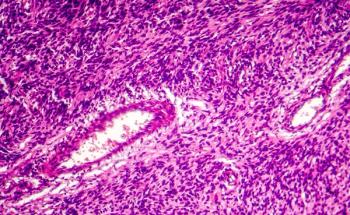
Inconsistent definitions limit pathological response as a soft tissue sarcoma marker, according to a narrative review.
An analysis finds distinct adverse event reporting patterns across immunosuppressive regimens, highlighting the need for tailored safety monitoring.
Sjögren disease involves far more than dry eyes and mouth, and variable symptoms plus multispecialty testing delay diagnosis, says Steven Carsons, MD.
Using baseline samples from 177 patients in the VISION/HO141 trial, researchers built a functional prognostic model for CLL that outperformed the CLL-IPI.
Early MASH risk stratification, drug choice, and aligned coverage could improve outcomes, explained Zobair Younossi, MD.
Advertisement
Advertisement
Trending on AJMC
1
5 Things to Know About the One Big Beautiful Bill Act
2
Coroner Reports Pennsylvania's Sixth Measles-Associated Death
3
ACA Subsidies End for 189,000 Duplicate or Deceased Enrollees
4
FAQ: How Payers Can Close HIV Prevention and PrEP Access Gaps
5