Medicare Advantage exits, rising ACA premiums, a Medicare for America bill, and a Medicaid work rule ruling frame health policy on Election Day.
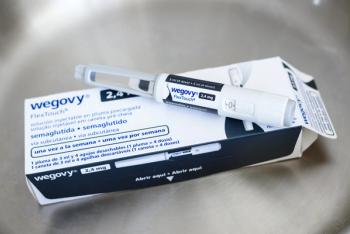
Maximum Fair Prices are reshaping Part D formularies, with plans favoring lower net-cost options, panelists said at AMCP Nexus 2026.
At the
Under the
At the meeting, Hiva Pourarsalan, PharmD, of Aetna said the fundamentals of formulary evaluation remain unchanged after MFPs went into effect, as plans still aim to offer the most effective and affordable therapies. The key difference is that coverage of MFP drugs is required by law, so coverage decisions for those products are effectively predetermined.
Johnathan Toft, PharmD, MBA, of Lumanity said the effects also vary by line of business. In Part D, plans have covered the required drugs while also cutting coverage of similar competing products in the same “market basket.” That shift has been most pronounced among stand-alone prescription drug plans, though Medicare Advantage Prescription Drug plans have also seen it, he noted. Although there has been little spillover into commercial formularies so far, Toft said he expects that to change.
How therapeutic alternatives to these MFP drugs are handled varies from class to class, Pourarsalan cautioned. Still, because coverage of certain drugs is required regardless of formulary considerations, plans have to be more creative with the rest while keeping effective therapies available to members.
Lisa Cashman, PharmD, of Lumanity added that incentives have shifted toward lower net-price products. She echoed Pourarsalan’s earlier point that CMS requires plan sponsors to cover all MFP drugs, adding that sponsors are also prohibited from discriminating against those drugs in favor of alternatives that were not selected for negotiation.
Looking ahead, Toft said future changes will depend on the level of competition within each market basket.
“We see with more and more products for a given disease state, oftentimes there’s a lot of pressure from the payer perspective to control costs,” he concluded. “They’ll be playing those drugs off one another, really looking for the lowest net cost available, especially in the absence of head-to-head trials, which is often the case.”
References