

Medicare drug price negotiations lowered out-of-pocket costs for some beneficiaries, but those reaching the annual Part D cap saw no direct savings.
Medicare drug price negotiations lowered out-of-pocket costs for some beneficiaries, but those reaching the annual Part D cap saw no direct savings.

AI quantitative CT (UCLA QILD, Brainomix e-Lung) predicts FVC decline and drug response in PPF, strengthening biomarkers beyond spirometry in INBUILD.

Delphi consensus guides dermatology on spotting CTCL vs atopic dermatitis before/after dupilumab, using biopsy plus T-cell clonality testing and safer treatment switches.
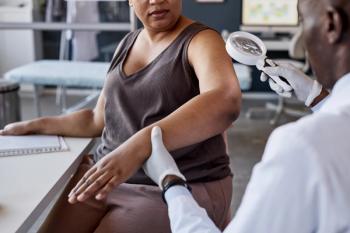
Rosacea is likely missed, not rare, in skin of color, as low suspicion and hard-to-see redness delay diagnosis, said Hilary Baldwin, MD.
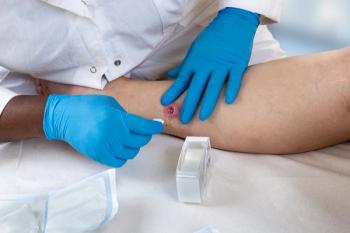
Hidradenitis suppurativa diagnosis often takes 7 to 10 years, and patients with skin of color often present with tunnels and scarring already in place.

In HIV, lymphoma survival tracks tumor stage and CD4 count, not viral suppression, a Spanish cohort shows.

Polyphenols show lab promise for endometriosis, but human evidence is thin, and the best resveratrol pain trial was negative.

Those using e-cigarettes were more likely to develop cataracts, and those receiving cataract surgery less likely to develop depression and anxiety.

The conference session featured updates on several clinical trials, including the BRUNELLO trial, for treatment of diabetic macular edema (DME).

Experts explain why access to specialty cancer care, open dialogue, and patient education are essential to building trust and making informed treatment decisions.

An intraoperative indocyanine green (ICG) fluorescence imaging protocol in sarcoma surgery detected 14 of 15 positive margins vs 4 of 15 for surgeons, though its specificity was 41.7% vs 88.9%.

Panelists engaged in a debate regarding using complement inhibitors in geographic atrophy, gauging public sentiment with a deciding vote.

A session at AAO 2026 highlighted how big data and minimally invasive glaucoma surgery (MIGS) could be utilized to help patients receive peak care.

The opening session of AAO 2026 featured a keynote speech discussing how artificial intelligence (AI) will play a part in health care.
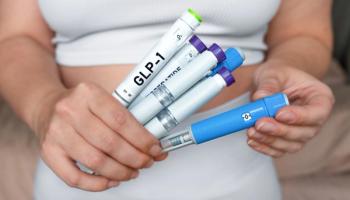
Incidence of diabetic macular edema and the need for glaucoma surgery were reduced after treatment with glucagon-like peptide-1 receptor agonists.

Medicaid expansion was associated with lower colorectal cancer mortality, with the largest reductions in Hispanic patients and stage IV disease.

TP53 mutations occurred in 3% of myeloproliferative neoplasms (MPNs) but 10% of myelofibrosis or blast-phase cohorts in a review of 11 cohort studies.

Amanda Velazquez, MD, discusses GLP-1 formulary strategies, overcoming prior authorization hurdles, and building scalable obesity care infrastructure.

Older adults on Medicare report the best access to care among 10 countries but more cost-related problems and higher out-of-pocket spending.

Patients with Sjögren disease diagnosed over a year after symptom onset had 2.3 times the odds of moderate or greater disease activity, a US survey found.

An estimated 44,052 sports eye injuries were treated in 2025 and 1262 pickleball eye injuries in 2024; 99% of lawnmower eye injuries were at home.

Pola-R-GemOx extends median overall survival to 19.5 months in transplant-ineligible R/R DLBCL, per POLARGO.

Teva's Weltruza, a once-monthly subcutaneous olanzapine injection, requires no loading doses, oral supplementation, or postinjection monitoring.

Even when physicians prescribe guideline-preferred therapies, step therapy and prior authorization can delay or restrict access to CLL therapies.

The FDA approves atezolizumab with a fluoropyrimidine and oxaliplatin as adjuvant therapy for stage III dMMR colon cancer based on the ATOMIC trial.

Washington, DC, clinicians shared how order sets, pharmacist-led dosing, and better handoffs can close iron deficiency gaps in heart failure care.

The study authors note there is an urgent need for "innovative value-based and alternative payment models of care."

The conference, held in New Orleans, Louisiana, by the American Academy of Ophthalmology, will offer 3 full days of content spanning from glaucoma to dry eye.

A JAMA analysis of 2021-2023 death records found heat-related mortality varied sharply by occupation and industry among working-age US adults.

Coverage of our peer-reviewed research and news reporting in the health care and mainstream press.