


HIV
Latest Content
Advertisement
Latest Videos
Advertisement
More News

To effect change, we must address health care disparities beyond the individual level, says Perry N. Halkitis, PhD, MS, MPH, dean of the Rutgers School of Public Health and director of the Center for Health, Identity, Behavior and Prevention Studies.

The Centre for Sexual Health and HIV/AIDS Research Zimbabwe conducts evidence-based research related to HIV and AIDS, as well as provides and implements sexual and reproductive health education and interventions among sex workers, children, and adolescents, and in the area of masculinity.

This video excerpt is our second entry in a 6-part series on individuals and international organizations working to bring local and global awareness to the ongoing HIV/AIDS epidemic, which is marking its 40th anniversary this year.

This feature is the first in a 6-part series on individuals and international organizations working to bring local and global awareness to the ongoing HIV/AIDS epidemic, which is marking its 40th anniversary this year.
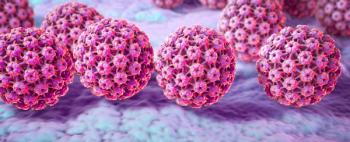
A substantially higher risk of anal carcinoma following the development of anogenital warts was seen among adults living with HIV and being treated in Washington, DC.
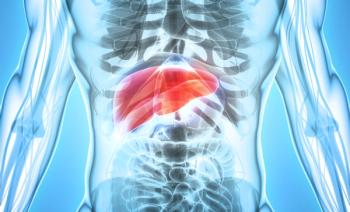
Rates of hepatocellular carcinoma were highest among persons living with HIV who have higher RNA levels, lower CD4 cell counts, or used injection drugs.

Despite HHS’ recommendation that everyone with HIV start antiretroviral therapy (ART) soon after their diagnosis, uptick disparities remain and are especially apparent among persons with drug abuse or dependence.
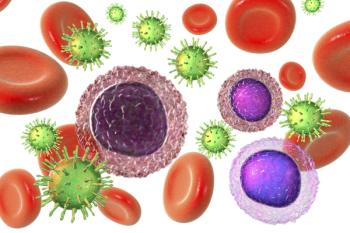
As part of the study, investigators looked into the long-term risk of cancer as affected by immediate initiation of antiretroviral therapy (ART).

An abstract presented today at this year’s virtual Conference on Retroviruses and Opportunistic Infections lays out promising phase 1 results on a 90-day dapivirine vaginal ring for HIV prevention.

In a briefing, the White House COVID-19 Team discussed the first guidance from the CDC on activities that individuals fully vaccinated against COVID-19 can safely resume, and Anthony S. Fauci, MD, director of the National Institute of Allergy and Infectious Diseases, gave an update on antiretroviral drug development.

The American system of insurance doesn’t work, noted Robert K. Massie, Jr, PhD, MA, of the Society for Progress.
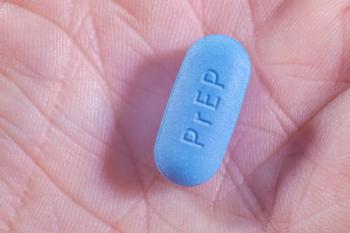
Individuals at high risk of contracting HIV and with commercial health insurance adhered to their pre-exposure prophylaxis (PrEP) regimens more than twice as long as persons covered by Medicaid.

The substitution of telemedicine for many in-person HIV services during the COVID-19 pandemic has produced mixed results, with persons living with HIV increasingly lost to follow-up despite favorable views of this method of care delivery.

Georgetown investigators attempted to answer how type of supportive relationship may affect outcomes among gay men living with and without HIV, comparing results seen with primary and secondary relationships and having no support.

The most recent Morbidity and Mortality Weekly Report from the CDC shows there is a great unmet need for earlier intervention for and treatment of HIV among Black Americans living in rural areas.

Compared with being offered standard testing services, offers of initial and repeat self-testing led to a 3.5-fold greater uptake of testing for HIV among transgender individuals in a new study out of England and Wales.
Robert K. Massie Jr, PhD, MA, of the Society for Progress, was born with severe factor VIII hemophilia in August 1956. He contracted HIV in 1978 and later hepatitis C, both from contaminated blood products.

This year marks the 40th anniversary of the initial appearance in the United States of what we now know to be HIV and AIDS, first manifesting as Pneumocystis carinii pneumonia and Kaposi’s sarcoma among gay men and intravenous drug users.

This week, the top managed care news included nationwide pharmacies to receive vaccine doses; experts issue recommendations for improving health care in 2021; HIV may increase risk of severe COVID-19 infection.

McKinsey pays $573 million over its role in the opioid crisis; a British study will test mixing 2 coronavirus disease 2019 (COVID-19) vaccines; new clinical trial data point to a potential vaccine approach to combat HIV.

With New York being at the crossroads of the HIV epidemic and the coronavirus disease 2019 (COVID-19) pandemic, a group of researchers wanted to know what, if any, correlation there was between the 2 disease states.

Individuals with serious mental illness have a greater risk of acquiring HIV compared with the general population and could therefore benefit from preexposure prophylaxis (PrEP) services in the community.

A 13.9% increase in diagnosed cases of HIV was seen following expansion of Medicaid coverage under the Affordable Care Act.

A recent study found that women had varying levels of willingness to use long-acting injectable HIV medications, based on their history with intravenous drug use.
The FDA approved the first injectable monthly treatment for HIV; Eli Lilly announced positive effects of its monoclonal antibody treatment for coronavirus disease 2019 (COVID-19); President Joe Biden will sign an executive order on food insecurity.
Advertisement
Advertisement
Trending on AJMC
1
Merck, Moderna Cancer Vaccine Cuts Melanoma Recurrence Risk by 42%
2
Real-World AMKD Data Highlight Quick Progression, Unmet Needs
3
Pulmonary Embolism Can Affect Elite Athletes, Too: Samantha Pettigrew, MD
4
Experts Weigh Flu Vaccine Timing in Pregnancy and Pediatric Uptake
5