



HIV
Latest Content

Advertisement
Latest Videos
Advertisement
More News

Wearing masks may not stop the spread of coronavirus disease 2019 (COVID-19) via restaurants; COVID-19 trials need more Black participants; the pandemic has disproportionately disrupted HIV care services in the South.

These results show that people living with HIV may not be at greater risk of contracting coronavirus disease 2019 (COVID-19) despite being immunocompromised.
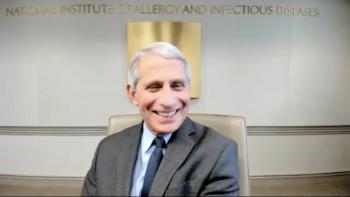
A vaccine for coronavirus disease 2019 (COVID-19) is aspirationally possible by the end of the year and the beginning of 2021, noted Anthony S. Fauci, MD, director of the National Institute of Allergy and Infectious Diseases.

People with HIV are more likely to abuse injectable drugs, alcohol, and opioids, resulting in suboptimal adherence to care plans and delayed HIV diagnoses.
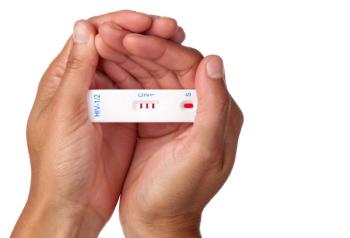
Results from a recent study in the state show how its HIV service care continuum was affected by the coronavirus disease 2019 pandemic (COVID-19), namely that more than a quarter of HIV clinics had to close completely.
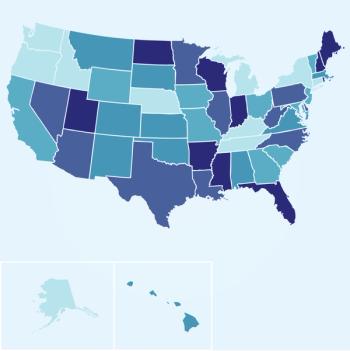
Counties with a smaller proportion of Latinos faced a Latino HIV prevalence rate that was nearly 4 times that of whites, according to a recent study.
A survey from Thailand noted that there is room for growth in HIV testing and identified the factors associated with testing.
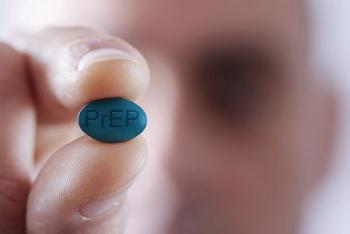
Gay, bisexual, and other men who have sex with other men (MSM) during episodes of high-risk behavior could benefit from short-term use of preexposure prophylaxis (PrEP) to lessen their chances of contracting HIV, a new study reports.

An investigation into the use of fingolimod as antiretroviral therapy against HIV-1 revealed 2 potential targets for the immunosuppressive drug: S1P receptors and SAMHD1, an antiviral restriction factor.

HIV-specific antibodies of 3 immunoglobulin isotypes are readily found in human saliva, providing a potential second reliable method of detecting the virus that may be used as a painless alternative to a blood draw.

Of 5 HIV treatment effects evaluated in a recent study, short-term efficacy on physical activity ability and long-term efficacy on life expectancy were the top preferences for younger and older patients, respectively.

A 3-year endeavor to scale up HIV prevention and education efforts among men who have sex with men in Dhaka, Bangladesh, showed only modest gains in the country where intercourse with a same-sex partner could mean a lifetime jail sentence.
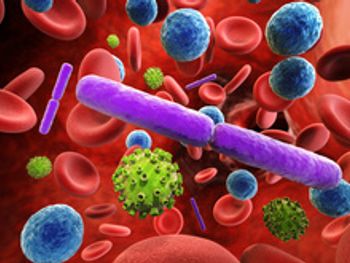
Bacterial changes in the oral cavity from immunosuppression, not HIV itself, are more likely to blame for the greater incidence of oral caries in children 6 months to 6 years, reports a study from the Department of Oral Biology at the Rutgers University School of Dental Medicine.
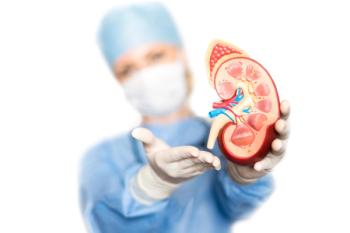
HIV-positive individuals with end-stage kidney disease may now have a larger pool of kidneys available to them, with recent study results from the National Institutes of Health (NIH) showing that kidneys from HIV-positive deceased donors can be used in addition to those from HIV-negative donors.
Having health insurance, a higher level of education, and more money were associated with a greater likelihood of caregivers disclosing their HIV status in the community, either positive or negative, while being male and living in a rural location indicated a lesser likelihood, reports AIDS Research and Therapy.
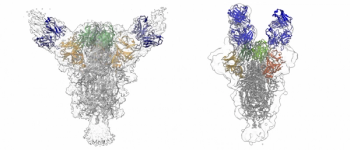
Writing in Nature, scientists found the antibodies fell into 2 distinct groups, targeting different regions of the viral spike. Thus, they say, the battle against coronavirus disease 2019 (COVID-19) could be opened on separate fronts, much like the approach Ho and others have studied in HIV and some forms of cancer.

Stigma perpetuated in a health care setting has been linked to greater odds of poor outcomes in the HIV continuum of care for antiretroviral treatment adherence and reduced viral suppression among persons living with HIV in Florida.

To effectively end the HIV epidemic in the United States, combination strategies should be tailored according to need, backed by evidence-based interventions, and scaled according to location, report study results in The Lancet HIV.

A pair of late-breaking abstracts presented during AIDS 2020, this year’s virtual meeting of the International AIDS Society, detailed the effects that the coronavirus disease 2019 pandemic has had on trends in at-risk sexual behaviors and pre-exposure prophylaxis (PrEP) use, both in the United States and in Australia, due to shelter-in-place orders and social distancing.

The study examined the association of having a consistent HIV health care provider with related clinical outcomes, with an emphasis on a long-term physician-patient relationship.

A recent analysis conducted by the Kaiser Family Foundation and The Joint United Nations Program on HIV/AIDS found donor governments spent $7.8 billion for HIV in 2019, a decrease of $165 million from the previous year. This number is similar to that spent a decade ago, despite a 25% increase of individuals now living with HIV in regions receiving the aid.
Patients with HIV who have been heavily treated but are failing their current regimen have few treatment options and are at risk of progressing to AIDS and death.

Previously associated with elite controller status, having an inherent low viral reservoir is now possibly linked to individuals with chronic HIV infection who initiate treatment with antiretrovirals more than 6 months after becoming infected.

Between January and July 2020, The American Journal of Managed Care®’s (AJMC®) most-read stories ranged from breaking COVID-19 news to revisions of blood donation guidance.
Being on an antiretroviral treatment (ART) regimen of tenofovir disoproxil fumarate/emtricitabine may lower the risk of HIV-positive individuals contracting coronavirus disease 2019 (COVID-19).
Advertisement
Advertisement
Trending on AJMC
1
Former USAID Health Chief Says Aid Cuts Are Costing Children's Lives
2
Merck, Moderna Cancer Vaccine Cuts Melanoma Recurrence Risk by 42%
3
IDWeek Studies Tie RSV, Flu, and COVID-19 to Harm After Acute Illness
4
It’s the Best of Times and Worst of Times for Cancer Care in Tampa
5