




New subgroup analyses from the phase 3 EMERALD trial are supporting the safety and efficacy of switching treatment-experienced, virally suppressed patients to the therapy.
New subgroup analyses from the phase 3 EMERALD trial are supporting the safety and efficacy of switching treatment-experienced, virally suppressed patients to the therapy.

Every week, The American Journal of Managed Care® recaps the top managed care news of the week, and you can now listen to it on our podcast, Managed Care Cast.

Here are the top 5 articles for the month of August.

This week, the top managed care stories included a huge ruling against one opioid maker and a settlement offer from another; an expert panel calling for broader screening for hepatitis C; a review showing there are more fatal events linked to a multiple sclerosis drug than previously known.

The researchers, who used autopsy reports of 252 people who died of AIDS in New York City between 1984 and 2016, found that infections associated with the virus are still the leading cause of death for the patient population in the state.

Using 2 decades' worth of data, researchers were able to identify disparities in HIV outcomes across more than 25,000 people living with HIV in Tennessee.

An analysis of data from between 2010 and 2017 found that Medicaid expansion promoted HIV testing without increasing HIV risk behavior among nonelderly adults.

Women participating in a randomized clinical trial were able to significantly reduce their alcohol intake regardless of medication assignment and subsequently improve rates of viral suppression.
Every week, The American Journal of Managed Care® recaps the top managed care news of the week, and you can now listen to it on our podcast, Managed Care Cast.

The panel voted against recommending the prevention pill for use in cisgender women due to inadequate data on efficacy in this patient population.

This week, the top managed care stories included the Trump administration looking to bar legal immigrants from using public benefits; a study in The American Journal of Managed Care® finding that a law to limit surprise medical bills is working; data on Affordable Care Act enrollment showing the effect of subsidies.

Coverage of our peer-reviewed research and news reporting in the healthcare and mainstream press.

The viewpoint paints a picture of a challenge that is 2-fold: a growing amount of people are injecting opioids in rural communities, which is an emerging risk factor for HIV transmission, and these communities often lack the infrastructure or resources to prevent, diagnose, and treat HIV.
Researchers found that they were able to use a small molecule called ZL0580 to modify bromodomain-containing protein 4 to suppress HIV.
From preadolescence to young adulthood, the rate of self-reported nonadherence increased from 31% to half of study participants. Concurrently, the prevalence of a detectable viral load increased from 16% to 40%.

Federal regulators have caught on to a growing trend of clinical trials asking participants to pay to enroll; Canada's main pharmaceutical lobby group is asking the government to respond to US drug importation plans before Canada experiences drug shortages; with more HIV incidence than any other region, the South is turning to telemedicine to treat people living with the infection.

A study published today in JAMA Oncology found that higher cancer mortality rates among people living with HIV remain even after adjusting for variations in cancer treatment, especially in breast and prostate cancers.

Here are the top 5 articles for the month of July.

The University of Michigan Center for Value-Based Insurance Design (V-BID), in collaboration with a group of healthcare stakeholders, has announced the details of V-BID X, a template for reducing cost sharing for certain high-value services and raising cost sharing for certain low-value services while not increasing premiums or deductibles.
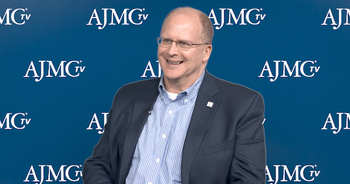
A. Mark Fendrick, MD, professor of Medicine in the School of Medicine, professor of Health Management and Policy in the School of Public Health, and director of the VBID Center at the University of Michigan, discusses how low or no cost sharing for high-value services is particularly important for public health issues or epidemics, such as HIV.

The Senate on Tuesday approved funding for the September 11th Victim Compensation Fund through 2090; the FDA is warning a leading marijuana company against illegally selling unapproved products containing cannabidiol (CBD); an implanted HIV drug may someday be able to prevent HIV for up to a year.

As the CDC released data showing an approximate 500% increase in the use of pre-exposure prophylaxis (PrEP) for HIV prevention among men who have sex with men (MSM) in urban areas between 2014 and 2017, a study published in the American Journal of Public Health revealed that a significant amount of MSM elsewhere live in PrEP-access deserts.

After nearly a decade of adhering to treatment, cells harboring HIV could still be found in the cerebrospinal fluid of half of the participants.

The HPX3002/HVTN, or Mosaico, trial will determine if the vaccine regimen can induce immune responses against various global HIV strains among 3800 men who have sex with men and transgender people aged between 18 and 60 years.

Combining CRISPR with long-acting slow-effective release antiretroviral therapy—a recently developed therapeutic strategy—the researchers were able to effectively eliminate replication-competent HIV DNA from the genomes of approximately 30% of infected humanized mice.