


Predisposing risk factors include less than a high school education and hepatitis C coinfection.
Predisposing risk factors include less than a high school education and hepatitis C coinfection.

Under the ACA, patients with HIV in Medicaid expansion states have greater access to care.

A House committee approves a bill to ban all flavored tobacco products; anal cancer rates are on the rise; the debate continues over competing healthcare measures.

A recent study, published by JMIR Research Protocols, demonstrated the effectiveness of implementing a digital HIV care navigation intervention for young racial and ethnic minority men and transwomen.

Greater rates of adherence and persistence seen among patients on a single-tablet regimen.
The report emphasizes the need for maximizing the implementation and improving treatment and prevention tools to fight HIV because adherence challenges remain.

HHS takes action against Gilead; a report on fears of seasonal workers in Montana; the latest CDC data on preventable deaths show differences between urban and rural areas.

CDC recommends that young men who have sex with men have an HIV test every 6 months.

A new review published in The Lancet describes the future landscape of therapeutics in development for what the authors call the next generation of HIV prevention, or PrEP 2.0.

The National Institutes of Health (NIH) has announced plans to invest at least $100 million over the next 4 years to develop gene-based therapies for 2 diseases: HIV and sickle cell disease. The Bill and Melinda Gates Foundation will also contribute $100 million to the goal of advancing these potential cures, with an aim toward providing affordable, globally available treatment that will be accessible to patients in low-resource settings.

As HIV infection becomes a chronic illness, assessing psychosocial status regularly and implementing effective interventions aimed at related problems as they arise may be particularly important for people living with HIV to improve their health-related quality of life, a study suggests.

While targeted testing for HIV has helped more individuals to be diagnosed and treated, the CDC recommends routine, universal HIV screening for all individuals aged 13 years to 64 years as a way to reach populations who may be less likely to seek out or participate in HIV testing. Emergency departments (EDs) in particular may play an important role in universal screening, as evidenced by the experience of 2 academic EDs in San Diego, California.

As a result of the study, investigators suggested expanding the indication for tesamorelin (Egrifta) to include people living with HIV who have been diagnosed with nonalcoholic fatty liver disease (NAFLD), a comorbidity in HIV.
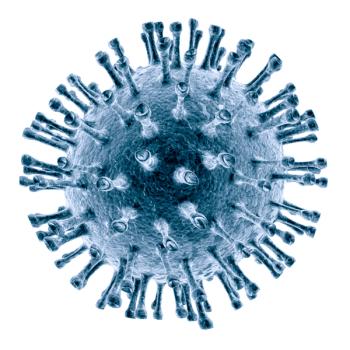
While antiretroviral therapy (ART) can suppress HIV infection, ART cannot completely eradicate HIV, which remains in a latent reservoir in CD4-positive T cells during treatment; discontinuation of ART leads to rapid rebound of the virus. This reservoir forms even when ART is initiated early on in the infection, and while the most widely accepted model of how the reservoir forms involves infection of a CD4-positive T cell as it transitions to a resting state, the dynamics and timing of the reservoir’s formation have been largely unknown.
Every week, The American Journal of Managed Care® recaps the top managed care news of the week, and you can now listen to it on our podcast, Managed Care Cast.

This week, the top managed care news included an effort by the Trump administration to bolster Medicare Advantage; an abortion case from Louisiana reached the Supreme Court; the study of adapting to changing oxygen levels wins the Nobel Prize.

Once the bill goes into effect in January 2020, pharmacists will be able to provide pre-exposure prophylaxis for at least a 30-day supply and up to a 60-day supply and a complete course of post-exposure prophylaxis without a prescription.

E-cigarette manufacturer Juul is being sued by 3 school districts; virus linked as potential cause of acute flaccid myelitis; HIV prevention drugs will be available without prescription in California

The FDA has approved Gilead’s second HIV prevention pill, Descovy, for at-risk adults and adolescents weighing at least 35 kg, excluding those who are at risk of HIV due to vaginal sex because the efficacy of Descovy has not been assessed in this population.

The findings indicate that the initiation of tuberculosis preventive therapy isoniazid during pregnancy carries greater risk than initiation of the treatment during the postpartum period.

New York Governor Andrew Cuomo said that the state is on track to meet its goal of ending the HIV/AIDS epidemic in New York by 2020; lung damage exhibited by some patients as a result of vaping resembles the damage on lungs exposed to chemical spills or harmful gases; a federal judge has ruled that a Philadelphia nonprofit’s plan to open a supervised injection drug site for drug users does not break federal law.
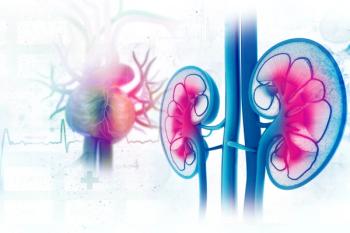
The study, which followed 51 people with HIV who received kidney transplants from deceased donors with HIV in South Africa, found that the transplants produced long-term success, with high rates of overall survival and kidney graft survival after 5 years.

According to the researchers, the long noncoding RNA, when turned off or deleted, eliminates dormant HIV reservoirs that persist even when patients adhere here to their antiretroviral therapy regimen and are virally suppressed.

Among 206 people visiting a county HIV clinic between 2006 and 2013, there was an overall 17.5% prevalence of transmitted drug resistance.
Every week, The American Journal of Managed Care® recaps the top managed care news of the week, and you can now listen to it on our podcast, Managed Care Cast.