



Immuno-Oncology
Latest Content

Advertisement
Latest Videos








Advertisement
More News
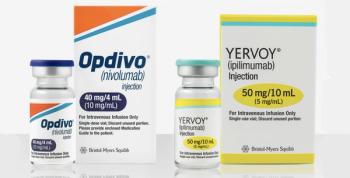
The immunotherapy combination was initially more costly but resulted in a lower cost of care over a 2-year period, investigators found.
Part of the Institute for Value-Based Medicine series, the June 20, 2024, event was presented with Banner MD Anderson in Phoenix, Arizona.

A small trial by investigators at the National Cancer Institute holds promise to bring personalized cell therapy into the solid tumor arena, after more than a decade of success in blood cancers.

Researchers from the University of Manchester sought to understand whether the season of administration of immunotherapy affected outcomes.

Early findings from a new preclinical study indicate that dual blockade of aurora-A kinase and PD-L1 signaling can inhibit tumor growth in triple-negative breast cancer (TNBC), treatment for which has historically remained limited.
The FDA approved pembrolizumab (Keytruda) plus carboplatin and paclitaxel, followed by single-agent pembrolizumab, in adult patients with primary advanced or recurrent endometrial carcinoma.
The FDA has approved durvalumab combined with carboplatin and paclitaxel, followed by single-agent durvalumab.
Blinatumomab Approved in Consolidation Phase for CD-19+ Ph-Negative Precursor B-ALL, “Redefines Standard of Care”
Published: | Updated:
Bringing the bispecific T-cell engager into the frontline consolidation phase "redefines the standard of care" for patients with B-ALL, an investigator said.

The results of the 3-year follow-up show meaningful improvement in overall survival (OS) and progression-free survival (PFS) for tislelizumab plus chemotherapy compared with placebo plus chemotherapy.


The latest approval of lisocabtagene maraleucel (liso-cel) in mantle cell lymphoma provides another treatment option and continues the tremendous advances in treatment for patients, said Christopher Flowers, MD, of MD Anderson Cancer Center.
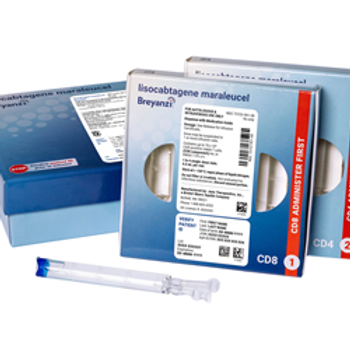
Mantle cell lymphoma is the fourth subtype of non-Hodgkin lymphoma that can be treated with this CAR T-cell therapy.


The FDA has approved tarlatamab (Imdelltra; Amgen), a novel bispecific T-cell engager, to treat patients with extensive-stage small cell lung cancer (SCLC).

This interim analysis of the CheckMate 77T trial, outcomes were compared between adult patients receiving neoadjuvant nivolumab plus chemotherapy or neoadjuvant chemotherapy plus placebo for resectable non–small cell lung cancer (NSCLC).

FDA has given accelerated approval for lisocabtagene maraleucel (liso-cel; Breyanzi) for patients with relapsed or refractory (R/R) follicular lymphoma.
Pembrolizumab has existing indications in endometrial cancer.
FDA Accepts Nivolumab Subcutaneous Injection Application, With Potential to Boost Access to PD-1 Inhibitors
Published: | Updated:
Some experts believe offering a subcutaneous version of nivolumab could make PD-1 inhibitors available to new groups of patients who currently lack access, such as those in rural areas.

Authors discuss the merits of using a pair of immunotherapy treatments aimed at separate targets.

"Off the shelf" CAR T-cell therapies could offer a solution in chronic lymphocytic leukemia, where T-cell exhaustion creates treatment challenges.
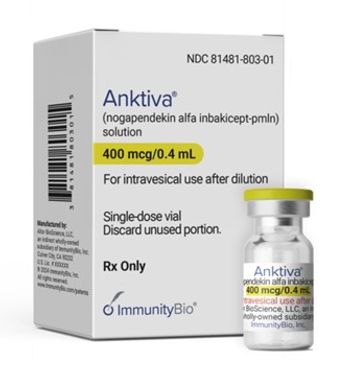
The principal investigator of the study leading to approval said this new immunotherapy could be a "game changer" in bladder cancer.
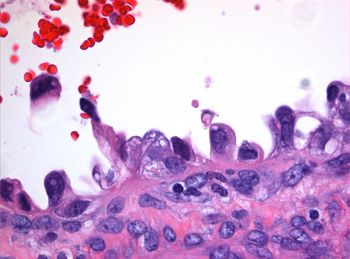
A tumor board looked to studies in ovarian cancer for guidance on use of immunotherapy in a rare case of clear cell carcinoma of the cervix.

Government agencies have created an online portal for the public to report potential anticompetitive practices in health care; there are changes coming to the “boxed warning” section for chimeric antigen receptor T-cell therapies (CAR T) to highlight T-cell blood cancer risk; questions about the safety of obesity medications during pregnancy have arisen in women on them who previously struggled with fertility issues.
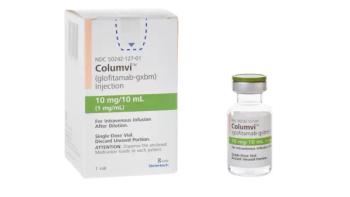
Results show the bispecific antibody is effective in an earlier line of treatment.

Advertisement
Advertisement
Trending on AJMC
1
FDA Approves Upadacitinib as First Systemic Therapy for Vitiligo
2
Twice Yearly Inclisiran Cuts MACE Risk in First siRNA Outcomes Trial
3
Sanofi to Acquire Insmed, Expanding Respiratory Treatment Portfolio
4
PSA Screening at 20 Years: Fewer Deaths, but More Overdiagnosis
5