





Infectious Disease
Latest News
Advertisement
Latest Videos




Advertisement
More News

More than 2700 parents responded to a survey from the Washington Post and KFF on routine and seasonal childhood vaccinations for their children.

The 2024-2025 influenza season saw record-high hospitalization rates, prompting the CDC to emphasize the importance of vaccination and early antiviral treatment.

US foreign aid budget cuts and freezes may potentially increase those affected by tuberculosis in USAID-dependent countries, resulting in millions of lives lost.

COVID-19 worsened disparities in cervical cancer screening and HPV vaccine awareness, impacting minority groups with limited access to preventive care.

Adults with food insecurity report higher rates of long COVID and lower recovery, with Supplemental Nutrition Assistance Program (SNAP) participation and employment status affecting these associations.


Public awareness of human papillomavirus (HPV) and its link to cervical and oral cancers is alarmingly low in the US, especially in the Midwest and South.

The American Journal of Managed Care spoke with Lauren Wisk, PhD, about her recent study aimed at assessing various definitions of long COVID and how a standard definition might aid physicians in clinical practices.

There is a need to consolidate various long COVID definitions to establish a standardized definition that ensures consistent recognition, documentation, diagnosis, and treatment, according to new research.
National Immunization Awareness Month highlights the importance of lifelong vaccination to prevent diseases, a practice that has averted millions of deaths, proven to be a cost-effective public health strategy, and offers crucial protection even to individuals who are immunocompromised.

Prenatal exposure to per- and polyfluoroalkyl substances (PFAS), a class of persistent environmental pollutants, was linked to significant shifts in infant T helper cell development, raising concerns about long-term effects on vaccine response, immune regulation, and disease susceptibility.

A nationwide Danish cohort study demonstrated no increased risk of serious adverse events following vaccination with JN.1-updated mRNA COVID-19 vaccines, reinforcing their safety profile and supporting continued use in high-risk populations amid ongoing viral evolution.
Social risk factors significantly increase the likelihood of developing long COVID, highlighting the urgent need for equitable health care and support systems.
World Hepatitis Day 2025 and its theme, “Hepatitis: Let’s Break It Down,” emphasize the urgent need to remove barriers to prevention, testing, and treatment to reduce liver cancer and eliminate hepatitis by 2030.

This article examines the prevalence of pay-for-performance incentives to promote human papillomavirus vaccination and other quality metrics as reported by frontline clinical staff.

Fosfomycin proved to be a safe, effective alternative for treating uncomplicated urinary tract infections (UTIs), potentially reducing antibiotic resistance and costs.

Despite offering significant protection against severe COVID-19, patients with cancer, a high-risk group, showed low uptake of booster vaccinations.
The plaintiffs are seeking preliminary and permanent injunctions against recent COVID-19 vaccine policy changes and a declaratory judgment that the HHS secretary’s actions were unlawful.

Encounter-level factors played a key role in limiting outpatient COVID-19 treatment for Black and Latino patients.
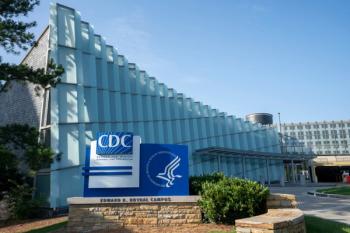
Controversy surrounds the Advisory Committee on Immunization Practices’ (ACIP) first meeting under new leadership as vaccine skeptics join the panel.

Model predicts millions of cases, hospitalizations, and deaths if routine childhood vaccination rates decline significantly.

New research reveals mental health recovery post COVID-19 takes nearly 3 times longer than physical health, highlighting the need for targeted care strategies.
The CDC urges all travelers to be fully vaccinated against measles amid rising cases in the US, some linked with international travel.

"Political directives should not prevent individuals from seeking safe and effective care that they desire and deserve," authors from the American College of Physicians (ACP) write.

Over 500,000 US patients hospitalized with nonsevere COVID-19 saw no clinically significant benefit and potential harm associated with routine early antibiotic treatment, supporting antibiotic stewardship to limit unnecessary use.
Advertisement
Advertisement
Trending on AJMC
1
Bringing CAR T-Cell Therapy Into Community Cancer Centers
2
The True Cost of Running a Community CAR T-Cell Program
3
Texas Hospitals Lose $27 Million a Day in Medicaid Funding Dispute
4
Tozorakimab Cuts COPD Exacerbations Up to 34% in Phase 3 Trials
5