


Infectious Disease
Latest News
Advertisement
Latest Videos



Advertisement
More News
In part 1 of this interview, Musarrat Perveen, regional coordinator at Coordination of Action Research on AIDS and Mobility in Asia (CARAM Asia), explained the research she presented at the 25th International AIDS Conference and the disparities migrant workers continue to encounter in HIV care.

New research highlights the increased risk of severe COVID-19 in individuals previously infected with respiratory syncytial virus (RSV).
We spoke with Musarrat Perveen, regional coordinator at Coordination of Action Research on AIDS and Mobility in Asia (CARAM Asia), who advocates at regional and global levels for policy reform of discriminatory practices that put migrant workers at risk of HIV and AIDS.

This research presented at AIDS 2024 shows that cognitive behavioral therapy (CBT) groups help to fill an unmet need among older persons living with HIV: to overcome the age-related health disparities this group experiences from being in long-term care and improve their health outcomes.
Researchers estimate the financial impact of respiratory syncytial virus (RSV) in cardiorespiratory hospitalizations using MarketScan data and CDC viral positivity rates.

Efforts to regulate social media for youth face resistance; MK-1654 meets key goals in mid-to-late stage trial; active drug shortages remain above 300 for sixth consecutive quarter.
Despite rising trends in respiratory syncytial virus (RSV) testing, more outpatient testing is needed for accurate RSV surveillance.
New rules aim to curb insurance brokers and protect consumers; data highlights surge in post-pandemic hospital-onset infections; President Biden’s decision to step down highlights Harris’ stance on health care reform and equity.

Nirsevimab Reduces Risk of RSV-Associated Bronchiolitis, Study Finds
Published: | Updated:
The effectiveness of nirsevimab therapy shows promise against respiratory syncytial virus (RSV)–associated bronchiolitis in a real-world setting.

Over the course of the pandemic, the risk of developing long COVID after a COVID-19 infection decreased, largely due to vaccination.

No increased risks of preterm birth or perinatal outcomes were identified with maternal vaccination status, according to one study.
Knowledge on respiratory syncytial virus (RSV) risk factors may help inform public health authorities on high-risk populations, researchers suggest.

What We’re Reading: Surging Global Dengue Cases; EHR Blocking Ban Finalized; Weight-Loss Drug Access
The CDC issued a warning to doctors on Tuesday to look out for dengue cases amid a global surge; HHS has finalized disincentives to prevent health care organizations from unreasonably blocking the exchange of electronic health record (EHR) information; patients in some states, like West Virginia, cannot afford weight-loss medications due to the high costs and lack of insurance coverage.
Increasing knowledge of the vaccine-preventable disease will ultimately improve vaccine uptake among target groups, researchers suggest.
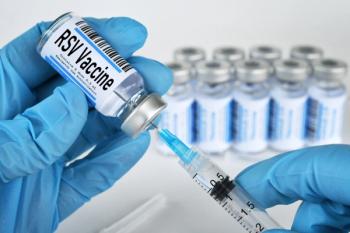
Vaccination against seasonal influenza and respiratory syncytial virus (RSV) in patients with high-risk heart failure was found safe with low incidence of mild adverse events (AEs).
For the third episode in our special Pride Month series, we speak with Patrick McGovern, CEO of Callen-Lorde since August of 2023 and an outspoken advocate for HIV; lesbian, gay, bisexual, transgender, queer, plus (LGBTQ+); and community health.
The first respiratory syncytial virus (RSV) vaccine has been approved for adults aged 50 to 59 years who are at increased risk.

Respiratory syncytial virus (RSV) hospitalization–related features may help inform prevention approaches among children with the infection, according to one study.

Results show that wastewater surveillance was sufficiently sensitive to detect Monkeypox virus (mpox) cases in these large, pooled samples.
Natasha Halasa, MD, MPH, of Vanderbilt University Medical Center (VUMC), discusses the active population-based surveillance that the New Vaccine Surveillance Network conducts.
Natasha Halasa, MD, MPH, Vanderbilt University Medical Center, discusses her role as principal investigator of the Vanderbilt site of the New Vaccine Surveillance Network.
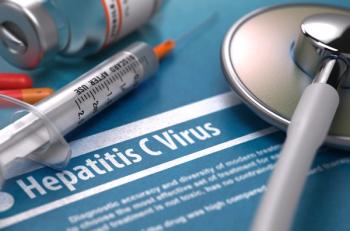
Just 8.5% of eligible patients were screened for hepatitis C virus (HCV); among them, 5.9% tested positive for the HCV antibody, and 3.0% had an active infection.
This year’s most-read articles on infectious disease explored topics like vitamin D deficiency, COVID-19 masking, and Clostridioides difficile infection.
The researchers explained that future studies should explore how the physical, emotional, and social impact of hepatitis B on patients could be measured and incorporated into clinical management.
Ciprofloxacin, ceftriaxone, and piperacillin/tazobactam showed the greatest associations with adverse drug reaction case reports related to C difficile.
Advertisement
Advertisement
Trending on AJMC
1
Bringing CAR T-Cell Therapy Into Community Cancer Centers
2
The True Cost of Running a Community CAR T-Cell Program
3
Texas Hospitals Lose $27 Million a Day in Medicaid Funding Dispute
4
Tozorakimab Cuts COPD Exacerbations Up to 34% in Phase 3 Trials
5