




Infectious Disease
Latest News


C Difficile Vaccine Shows Lot Consistency, Induces Toxin A and B Antibody Responses
Advertisement
Latest Videos




Advertisement
More News

Health officials said that at least 7 states reported high levels of illness, with cases also rising in other parts of the country; a group of Senate Democrats demanded answers about the shortage of nirsevimab, a new respiratory syncytial virus (RSV) drug; Pentagon officials told Congress that eliminating per- and polyfluorinated substances would undermine military readiness.

Christian John Lillis, cofounder and executive director of the Peggy Lillis Foundation for C difficile Education & Advocacy, explained how FDA-approved microbiome-based therapeutics help to treat and prevent C difficile infection.
The CDC has published updated recommendations for the postexposure prevention and treatment of Bacillus anthracis (anthrax) infection; the FDA has granted marketing approval to an at-home chlamydia and gonorrhea test; lawmakers and Veterans Affairs officials acknowledge the potential for psychedelic drugs to treat veterans’ mental health conditions and prevent suicide.
To combat C difficile, Christian John Lillis, cofounder and executive director of the Peggy Lillis Foundation for C. Diff Education & Advocacy, noted that awareness and innovation must continue to increase.
Amid National C. Diff Awareness Month, Christian John Lillis, cofounder and executive director of the Peggy Lillis Foundation for C. Diff Education & Advocacy, explains the foundation's "See C. diff" campaign and what the PLF hopes the public will learn throughout the month.
Natasha Halasa, MD, MPH, Vanderbilt University Medical Center, discusses the most pressing diarrheal illness challenges and successful strategies physicians can use to reduce this burden in patients.
A study suggests that human papillomavirus (HPV) screenings should be updated due to effective HPV vaccines; a new study shows that osimertinib (Tagrisso, AstraZeneca) reduced both the 5-year risk of recurrent cancer and the risk of death in patients with stage 1B to 3A lung cancer; a new smartphone-controlled technology could help those who suffer from migraines.

The authors propose an investment in patient-centered care strategies to initiate and engage vulnerable populations with curative hepatitis C treatment.

A study showed the Clostridioides difficile infection (CDI) treatment remained effective after subsequent systemic antibiotic exposure.

Patients being unaware of their hepatitis C virus (HCV) infection is preventing the World Health Organization (WHO) from accomplishing its goal of eliminating HCV and hepatitis B virus as public threats by 2030.

The CDC found that the 2022-2023 influenza season had high severity among children and adolescents, resulting in them recommending that everyone receive the annual influenza vaccine by the end of October.

New phase 1B data support further investigation into Adiso Therapeutic's prospective treatment.
This analysis demonstrates value and innovation of direct-acting antivirals for the treatment of chronic hepatitis C in the US Kaiser Permanente health system.

Age, fecal calprotectin level, toxin B polymerase chain reaction cycle threshold, immunosuppression, sex, and creatinine levels were identified as independent risk factors for developing recurrent Clostridioides difficile infection.
COVID-19 health care costs are significantly greater than those for influenza and pneumonia. Treatment costs for severe COVID-19 exceed those for influenza and pneumonia by approximately $50,000.

Clostridioides difficile (C difficile) screening in all ICU admissions identified asymptomatic carriers and their risk for developing and/or transmitting infection.

The researchers noted that their findings suggest clinicians and policy makers should encourage hepatitis C virus (HCV) treatment in those with unhealthy alcohol consumption or alcohol use disorder (AUD) rather than create barriers to it.
Those with certain comorbidities, including peptic ulcer disease and renal failure, were at additional risk of developing Clostridioides difficile infection.
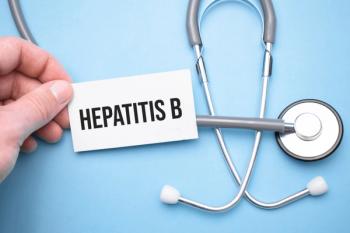
The researchers found that patients with cancer exposed to immune checkpoint inhibitors have a 1.3% risk of hepatitis B virus reactivation.

Michael Petrosky, MD, of the Allegheny Health Network, spoke about how parents can prevent their child from spreading respiratory syncytial virus (RSV) and the availability of monoclonal antibodies for all infants.

Public health professionals are the backbone of our health system, and their contributions are vital to the well-being of our communities. As a society, we must value their work, provide the support they need, and ensure that public health remains a rewarding and viable career choice.
Michael Petrosky, MD, of the Allegheny Health Network, discusses how monoclonal antibodies will help in the prevention of respiratory syncytial virus (RSV) in infants.

Study results suggest the greatest risk for Clostridioides difficile infection was observed with use of clindamycin while the lowest risk was observed with doxycycline and minocycline.
Michael Petrosky, MD, of Allegheny Health Network, spoke about the difference between vaccines and monoclonal antibodies and how they can affect treatment in respiratory syncytial virus (RSV).

Although 3 of 7 studies analyzed demonstrated that using probiotics could help prevent the development of Clostridioides difficile infection (CDI) in older patients, the researchers did not find a consensus among them all.
Advertisement
Advertisement
Trending on AJMC
1
Bringing CAR T-Cell Therapy Into Community Cancer Centers
2
The True Cost of Running a Community CAR T-Cell Program
3
Texas Hospitals Lose $27 Million a Day in Medicaid Funding Dispute
4
Tozorakimab Cuts COPD Exacerbations Up to 34% in Phase 3 Trials
5