




US cases of monkeypox have risen to 6600, and Thursday's declaration aims to provide enhanced testing, treatment, and vaccine capabilities nationwide.

What We’re Reading: CDC Loosens COVID-19 Restrictions; New York DNA Database; Racial Disparities in Monkeypox
US cases of monkeypox have risen to 6600, and Thursday's declaration aims to provide enhanced testing, treatment, and vaccine capabilities nationwide.

Proton pump inhibitor use was cited as the only avoidable risk factor for mortality in patients with Clostridioides difficile infection.

The number of monkeypox cases in the United States is close to 3600, the CDC said this week, and on Wednesday, HHS approved a supplement to the biologics license for a vaccine made by Bavarian Nordic to prevent smallpox and monkeypox.

Each additional hour of care per day provided by registered nurses to Medicare beneficiaries admitted to an acute care hospital with a sepsis diagnosis was associated with a 3% decreased risk of 60-day mortality.

Before she finally had successful treatment for her Clostridioides difficile infection in New Haven, Connecticut, Freda Pyles’ family physician in rural Pennsylvania was terrified and frustrated that he could not cure her and other patients.

Patients who experienced Clostridioides difficile infection had increased risks of mortality and hospital readmission, as well as greater length of stay and total hospital charges.
After struggling for months with a Clostridioides difficile infection, Freda Pyles traveled from her home to rural Pennsylvania to Yale-New Haven Hospital in Connecticut for the therapy that ultimately healed her.

Hospital ward cleaning with potassium peroxymonosulphate-based environmental disinfectant and a decrease in days of therapy with carbapenems were associated with a reduction in the rate of hospital-onset Clostridioides difficile infection.
At the end of September 2021, Freda Pyles, a resident of rural Pennsylvania, began an antibiotic for a dental infection. That set off a 6-month battle with Clostridioides difficile, which was misdiagnosed a few times before she was treated at Yale-New Haven Hospital. Here, she describes how she contracted the infection and what happened afterwards.

Preethi Venkat, MD, second-year internal medicine resident at the University of California, San Diego, discusses differences in hospitalizations for patients with irritable bowel disease (IBD) and Clostridioides difficile (C diff) infection vs those with IBD hospitalized for other reasons.

Research found fecal microbiota transplantation (FMT) to be an optimal cost-effective treatment strategy for first and subsequent recurrent Clostridioides difficile infection (CDI), challenging current guidelines.

The FDA and the CDC’s Advisory Committee on Immunization Practices (ACIP) Wednesday gave positive decisions on an expanded indication for Merck’s pneumococcal 15-valent conjugate vaccine (Vaxneuvance).

The study, published in Current Medical Research and Opinion, finds that females were 22% more likely than males to have long COVID, which was defined as having symptoms that lasted more than 4 weeks after onset.

The FDA determined that the 3-dose Pfizer COVID-19 vaccine worked in children aged 6 months through 4 years; the bipartisan Senate gun deal will focuses on mental health; the pandemic has other viruses acting mysteriously, with children diagnosed with respiratory viruses in May and June.
The Federal Trade Commission (FTC) launched an inquiry into the practices of pharmacy benefit managers; FDA advisers overwhelmingly support approval of Novavax, a new COVID-19 vaccine; drug prices soar to 20% annual inflation.

Citing outbreaks of Clostridioides difficile infection in both America and Europe, the researchers emphasized the need for more effective treatments.

Abstracts presented at Digestive Disease Week 2022 showed that RBX2660, an investigational microbiota-based drug, was more likely to reduce the recurrence of Clostridioides difficile infection (CDI) compared with placebo.
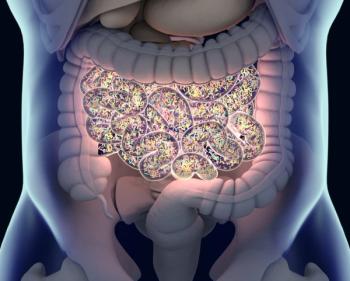
A pair of posters presented at Digestive Disease Week 2022 showed the efficacy of an investigational biotherapeutic in preventing Clostridioides difficile infection recurrence and restoring the microbiome.

The latest report from FAIR Health shows that the majority of people diagnosed post-COVID condition were never hospitalized.
Experts warn, however, that human papillomavirus (HPV) vaccinations missed because of the COVID-19 pandemic could stymie this progress.

A study of hospitals and long-term care facilities in Louisville, Kentucky, found low rates of Clostridioides difficile testing in patients with new-onset diarrhea who are frequently infected.

Preventing health-care–associated infections in acute-care hospitals is crucial for patient well-being and health care cost burden, and comprehensive guidelines based on current research are an important aspect of prevention.

The drug, oteseconazole, is an azole antifungal indicated to reduce the incidence of recurrent vulvovaginal candidiasis in females who are infertile or postmenopausal.
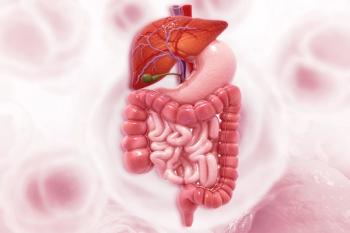
Fidaxomicin, now commonly used to treat Clostridioides difficile infection, selectively targets the bacterium while sparing crucial gut commensals that protect against colonization. However, knowledge gaps in the molecular basis of its narrow-spectrum activity remain.

The researchers wrote that their findings showcase the need for close monitoring of patients and for effective treatments for those with recurrent infection, which occurs in 15%-30% of all patients with Clostridioides difficile.