


Leukemia and Lymphoma
Latest Content

Advertisement
Latest Videos









Podcasts

Advertisement
More News
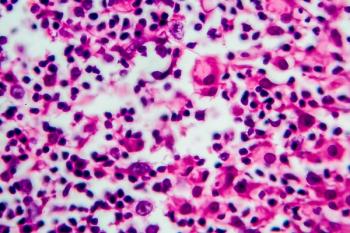
The treatment regimen not only significantly improved progression-free survival (PFS) for patients with advanced stage classic Hodgkin lymphoma but was also better tolerated compared with a 20-year-old regimen being used.

The FDA granted accelerated approval to combination zanubrutinib and obinutuzumab for the treatment of relapsed or refractory (R/R) follicular lymphoma following 2 or more lines of therapy.

Those with chronic graft-versus-host-disease who have received allogeneic hematopoietic stem cell transplant (alloHSCT) may experience enhanced graft-versus-leukemia effects, thus producing a lower relapse rate in acute myeloid leukemia.
The most-read content from the 2023 American Society of Hematology Annual Meeting and Exposition included the latest in treating hematologic malignancies, the hope brought by novel therapy strategies, and the potential for artificial intelligence to improve diagnostic accuracy.

Patients with B-cell malignancies who were intolerant to treatment with acalabrutinib experienced clinically meaningful benefits when treated with zanubrutinib, suggesting zanubrutinib may be a viable treatment option for this population.

Treatment with blinatumomab or inotuzumab ozogamicin particularly confers higher total costs for patients with relapsed/refractory B-cell acute lymphoblastic leukemia.
The announcement applies to all currently approved therapies, both BCMA-directed and CD19-directed genetically modified autologous chimeric antigen receptor (CAR) T-cell treatments.

Patients with relapsed/refractory mantle cell lymphoma have experienced event-free survival and overall survival benefits due to advances in second-line treatment approaches over time.
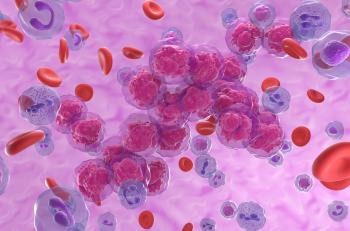
The use of base editing to generate universal, off-the-shelf CAR T cells is a promising approach for relapsed leukemia, with potential implications for the future of gene therapy.

A recent review aimed to characterize the relationship between tumor burden and clinical outcomes in patients treated with chimeric antigen receptor (CAR) T-cell therapy, highlighting the potential mechanisms of high tumor burden impacting CAR T-cell failure.

A study evaluating disparities among children with acute leukemia found that Black children are more likely to present with higher disease burden at diagnosis compared with non-Hispanic White children.
Bosutinib has a new indication in leukemia as a well as a newly-approved formulation.
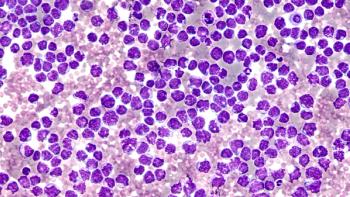
A pooled analysis with nearly 3 years of follow-up showed better outcomes when zanubrutinib was given in the second line vs later lines of therapy in patients with relapsed or refractory (R/R) mantle cell lymphoma (MCL).
Elevated white blood cell counts also appear to correlate with shorter overall survival in patients receiving standard induction chemotherapy plus cytarabine for acute myeloid leukemia.
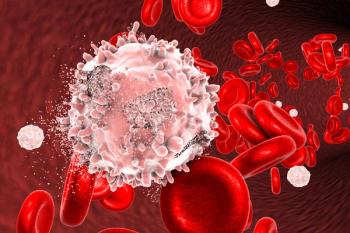
Researchers found that patients with relapsed/refractory (R/R) diffuse large B-cell lymphoma (DLBCL) may benefit from bridging radiation therapy (RT) ahead of receiving chimeric antigen receptor (CAR) T-cell therapy.
Based on findings from the phase 1/2 BCHILD trial, the FDA approved bosutinib for pediatric chronic myelogenous leukemia.

The measure of total DNA in leukemic cells as defined by a DNA index outperformed other criteria for identifying patients with hyperdiploid acute lymphoblastic leukemia (ALL) and favorable prognosis.

Several discrepancies in care must be considered to properly address psychological needs in patients with lymphoma, including patient/doctor communication, information provision, and applying distress guidelines.
The agency's approval of momelotinib marks the first for both newly diagnosed and previously treated myelofibrosis with anemia.

Ponatinib also produces an improvement in progression-free survival compared with imatinib among those with Philadelphia chromosome-positive acute lymphoblastic leukemia in the phase 3 PhALLCON trial.
Advertisement
Advertisement
Trending on AJMC
1
Health Equity & Access Weekly Roundup: November 20, 2026
2
Four Ways to Boost Awareness, Access for COVID-19 PEP
3
FDA Approves Pimicotinib for Symptomatic Tenosynovial Giant Cell Tumor
4
Defining High-Efficacy MS Therapy: Access, Formularies, and Patient Choice
5