
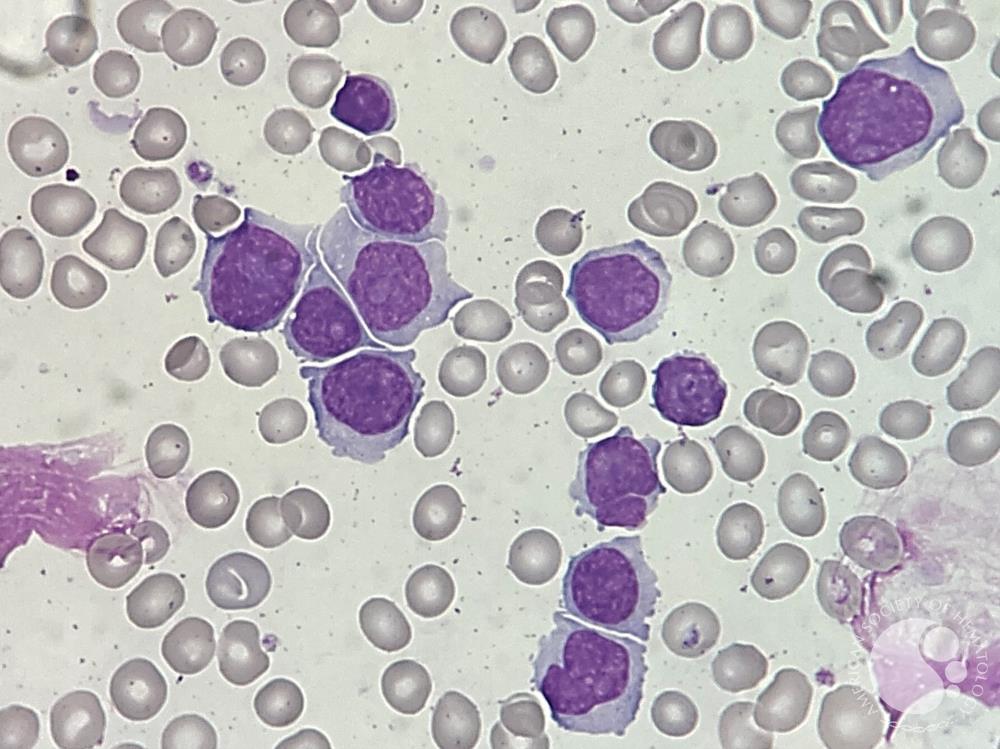
Patients with mantle cell lymphoma experienced better survival rates when treated at academic centers compared with community facilities.
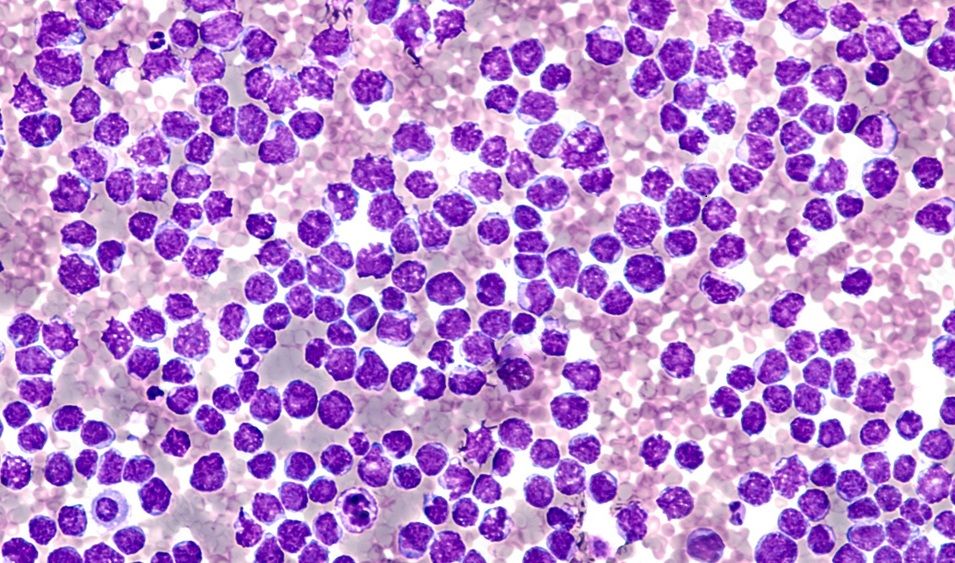
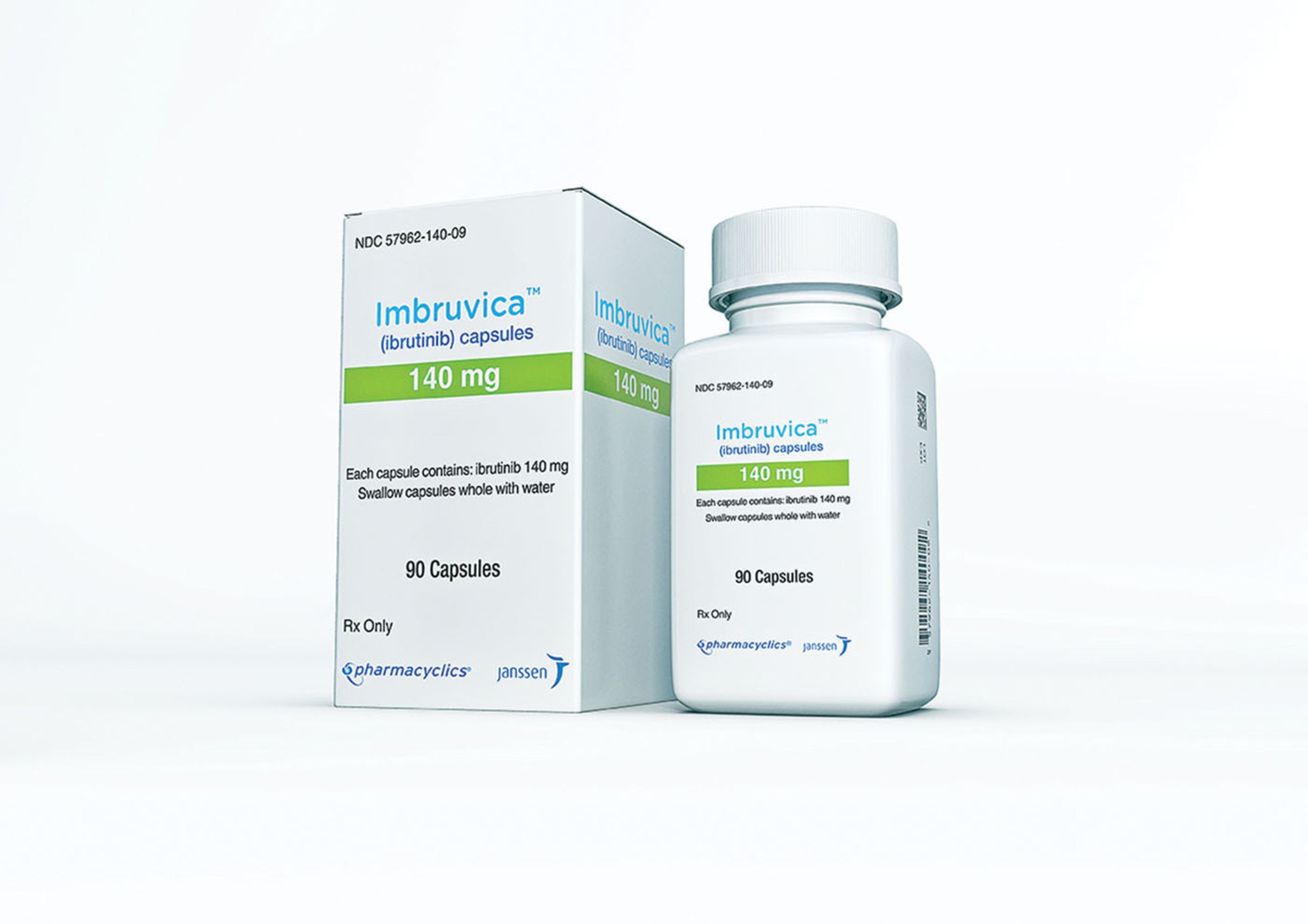
Analysis Finds Link Between Ibrutinib’s Effect on CAR T-Cell Expansion, Toxicity in Mantle Cell Lymphoma
Even After 6 Years, Disease Progression Impacts Survival in Mantle Cell Lymphoma
Patients with mantle cell lymphoma experienced better survival rates when treated at academic centers compared with community facilities.
Frontline zanubrutinib regimens achieved objective response rates of 100% with deep remissions in older patients and younger, high-risk patients with MCL.
Early ASH 2025 data suggest sonrotoclax is a promising therapy in MCL, supporting a broader shift toward chemo-free, combination-based strategies—particularly for patients with BTK inhibitor–refractory disease.

At ASH 2025, sonrotoclax demonstrated encouraging response rates and a favorable safety profile as a single-agent BCL2 inhibitor in heavily pretreated, largely refractory mantle cell lymphoma.
At ASH 2025, sonrotoclax demonstrated encouraging response rates and a favorable safety profile as a single-agent BCL2 inhibitor in heavily pretreated, largely refractory mantle cell lymphoma.
Interim GLOVe trial results show that the frontline combination of glofitamab, lenalidomide, and venetoclax induces rapid, deep, and predominantly MRD-negative remissions in high-risk mantle cell lymphoma with manageable toxicity.
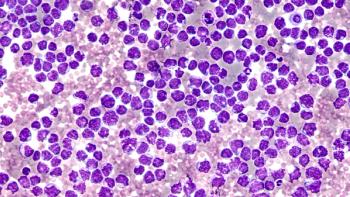
A chemotherapy-free, MRD-guided regimen achieved deep, durable remissions in untreated MCL with manageable toxicity and the potential for time-limited therapy.

FDA has granted sonrotoclax priority review for relapsed mantle cell lymphoma, showcasing promising trial results.
Mantle cell lymphoma treatment offers options if patients relapse after CAR T-cell therapy, from bispecific antibodies, antibody drug conjugates, and other emerging therapies.

The tablet formulation of zanubrutinib (Brukinsa; BeOne) is now approved for all 5 indications across several hematological cancers.