



Multiple Myeloma
Latest News
Advertisement
Experts Weigh in on Multiple Myeloma
Explore the expanding role of bispecific antibody therapies and strategies for managing cytokine release syndrome and infection risks. Dive into real-world data on teclistamab and talquetamab, and uncover new approaches to optimize patient outcomes.

Latest Videos





CME Content


Advertisement
More News

A recent review summarized the current knowledge and treatment paradigm of multiple myeloma, including recent advances and challenges in nanomedicine.

A literature review revealed that supplementation with vitamin D could provide therapeutic benefits for patients with multiple myeloma (MM) who are undergoing chemotherapy. However, more research is needed to confirm findings.

Two experts highlight their preferred treatment options for RRMM based on each line of therapy the patient will need.

Drs Kaufman and Richter outline important considerations physicians should be aware of when selecting IMiD therapy for a patient with RRMM.
Dr Jonathan L. Kaufman discusses the role immunomodulatory drugs (IMiDs) play within triplet regimens for patients with RRMM.
Joshua Richter, MD, and Jonathan L. Kaufman, MD, define and provide a basic understanding of relapsed/refractory multiple myeloma (RRMM).

As more treatments continue to enter the market for multiple myeloma (MM), the cost of associated treatments is expected to continue climbing, with the researchers of the study emphasizing the need for more effective and options to help mitigate costs.

The researchers found that socioeconomic status likely drives survival disparities between Hispanic patients and non-Hispanic whites (NHWs). They also found that, while both underserved populations, Hispanics and non-Hispanic blacks have different survival outcomes compared with NHWs.

Multiple myeloma has historically been considered a chronic disease, even as newer treatments have greatly improved rates of survival for the disease.
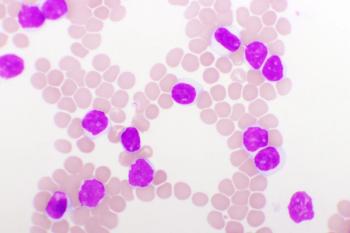
The researchers found that extramedullary disease at diagnosis was significantly more common in patients with bone marrow fibrosis.

Differentiation between multiple myeloma (MM) and bone metastases from other cancers can be difficult, but radiomics-based models have potential to improve diagnostic accuracy.
The researchers found that among subclasses, IgG1 expression was most prominent in samples from patients with multiple myeloma, and expression of IgG1 changed significantly before, throughout, and following treatment.

According to recent findings, metabolizing disulfiram into diethyldithiocarbamate-copper complex creates a proteasome inhibitor-like treatment that enables the efficient killing of treatment-resistant multiple myeloma (MM) cells.
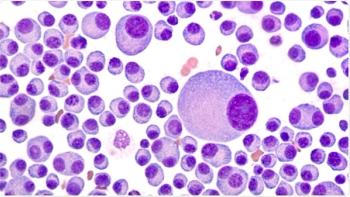
Negative positron emission tomography/CT examinations 6 months after induction therapy in patients with newly diagnosed multiple myeloma (MM) is associated with prolonged time to next treatment and overall survival.

The findings, say the researchers, provide a basis for future exploration of the activity of energy metabolism pathways in clonal plasma cells of patients newly diagnosed with the disease.

With survival of multiple myeloma ranging from less than 1 month to over 10 years, the researchers highlighted the importance of risk stratification to quickly identify patients who are high risk with poor prognosis and could benefit from different treatment strategies and close surveillance.

Of the 5800 patients included in study, 20% were Black, which the researchers say adequately represents disease incidence among the population.

Our panel concludes with their plans to incorporate RWE into MM management in the future.
Dr Baljević discusses unmet needs that are typically seen in the management of MM.

A simple score can identify the patients at risk of severe infection within 4 months of initiating treatment, highlighting candidates to be treated with prophylactic antibiotics.

Chronic kidney disease is a common complication in multiple myeloma, and a recent study found it is safe to treat this patient population with autologous stem cell transplantation.

Mesenchymal stem cells are known to promote tumor growth and metastasis in multiple myeloma (MM), but a recent study found they may also inhibit the effects of the corticosteroid dexamethasone, a common medication for the hematologic malignancy.
Dr Richter delves into how we can better educate patients and physicians on RWE to improve decision-making.
The panel moves the discussion to non-comparative RWE and how that can play a part in their decision-making for MM therapy.

While studies have explored risks among patients with multiple myeloma, recent research is the first to compare cardiovascular mortality risk in multiple myeloma to that of the general population.
Advertisement
Advertisement
Trending on AJMC
1
TrumpRx Launch Brings Savings—and Uncertainty
2
As Cencora Closes With OneOncology, Patton Says Terms Show “Trust”
3
Exploring Identity, Appearance Experiences Among Patients With Alopecia
4
5 Things to Know About the Oral GLP-1 Era
5