





Oncology
Latest News
Advertisement
Latest Videos
Shorts
0:36
The High-Tech Reality of Hospital Pharmacy Prep: Mitchell Blewett, PharmD, MS
15 days ago
by
Giuliana Grossi(+1 more)
1:15
AI Collaboration Can Help Address Community Oncology Challenges
19 days ago
by
Brooke McCormick(+1 more)
1:00
Cancer Care Value Goes Beyond Cost for Employers
20 days ago
by
Brooke McCormick(+1 more)
1:26
The Reality of Stocking High-Cost Medications: Scott A. Soefje, PharmD, MBA
22 days ago
by
Giuliana Grossi(+1 more)

0:46
Lucio N. Gordan, MD, Explains the Difficulties of Clinical Research
22 days ago
by
Giuliana Grossi(+1 more)
1:40
Liquid Biopsies Reshape Precision Medicine: Lori Brisbin, MS, MLS
23 days ago
by
Giuliana Grossi(+1 more)
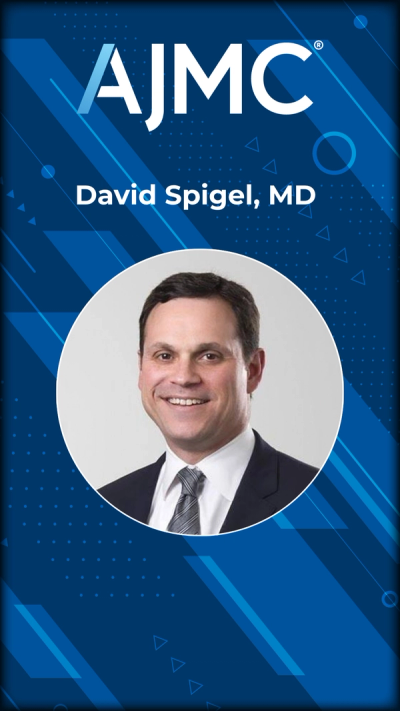
1:22
How AI Is Revolutionizing Cancer Drug Development: David Spigel, MD
23 days ago
by
Giuliana Grossi(+1 more)

1:22
Expanding Treatment Access Via Academic-Community Ties: Amandeep Godara, MBBS
a month ago
by
Brooke McCormick(+1 more)

2:05
Bridging Geographic Gaps in Specialized Cancer Care: Christos Vaklavas, MD
a month ago
by
Brooke McCormick(+1 more)

0:59
Expanding NSCLC Biomarker Testing Access: Shiven B. Patel, MD, MBA
a month ago
by
Brooke McCormick(+1 more)
Podcasts
Advertisement
More News
MedHaul’s platform streamlines nonemergency medical transportation, boosting on-time oncology visits, reducing costs, and helping patients reach critical care across underserved regions.
Cathy Eng, MD, says flat funding for NCI-sponsored trials discourages site participation and slows data, despite their importance.
Alyssa Schatz, DrPH, MSW, of NCCN, explains how insurance shifts and drug shortages threaten access to cancer care.
OneOncology's Larry Bilbrey discusses why unstructured data limits artificial intelligence and how practices can weigh AI purchases by their payoff.

Experts explain why access to specialty cancer care, open dialogue, and patient education are essential to building trust and making informed treatment decisions.

An intraoperative indocyanine green (ICG) fluorescence imaging protocol in sarcoma surgery detected 14 of 15 positive margins vs 4 of 15 for surgeons, though its specificity was 41.7% vs 88.9%.

Medicaid expansion was associated with lower colorectal cancer mortality, with the largest reductions in Hispanic patients and stage IV disease.
COA's Nicolas Ferreyros discusses real-world survival data for community oncology, health system consolidation, and barriers to CAR T-cell access.

The FDA approves atezolizumab with a fluoropyrimidine and oxaliplatin as adjuvant therapy for stage III dMMR colon cancer based on the ATOMIC trial.
Cathy Eng, MD, discusses a BREAKWATER post hoc analysis showing poorer survival in early-onset BRAF V600E colorectal cancer.

Biomarker-driven care is advancing in mantle cell lymphoma, though cost and infrastructure limit access in community oncology, according to a review.

FDA approved tucatinib maintenance for HER2-positive metastatic breast cancer following induction therapy based on the 654-patient HER2CLIMB-05 trial.
OneOncology's Edward "Ted" Arrowsmith, MD, MPH, explains how patient-reported outcomes and national disease groups can make cancer pathways more dynamic.

Panelists ask whether cancer care will shift toward home-administered infusions as payers push for change. Other topics in this forward-looking session include new delivery tech and practice-led solutions.
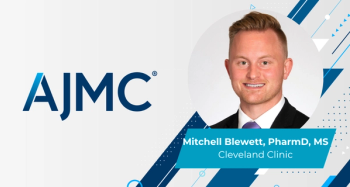
Mitchell Blewett, PharmD, MS, of Cleveland Clinic, explains why formulary approval is only the midpoint before a new oncology drug reaches patients.
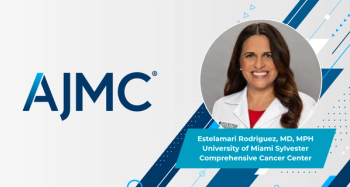
Zidesamtinib offers a new treatment option for previously treated ROS1-positive NSCLC, with rapid, durable responses and strong brain activity.
Cathy Eng, MD, explains how young adults with cancer face career, fertility, and body image concerns as well as where to find support.
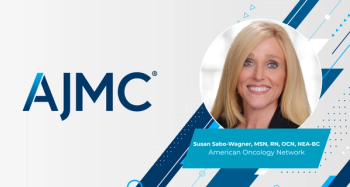
In part 2, Susan Sabo-Wagner, MSN, RN, OCN, NEA-BC, discusses how earlier referrals, AI, and less prior authorization can improve cancer outcomes.

A systemic sclerosis inception cohort and 17-study meta-analysis found a nearly 5-fold increase in lung cancer risk.
Susan Sabo-Wagner, MSN, RN, OCN, NEA-BC, discusses how data builds payer trust, reduces prior authorization, and expands access in community oncology.
Cathy Eng, MD, FACP, FASCO, says young patients with colorectal cancer often look healthy and present at stage IV, making symptom awareness critical.

A rare case of soft-tissue sarcoma spreading to the heart shows how multimodal imaging guided diagnosis and care in a 36-year-old man.

Sustainable models require asking what a result shows, what design produced it, and whether the design was built to measure value or just produce a number.

As AI proliferates, patients, caregivers, and others outside the medical world are using its tools to deal with cancer, but not always in obvious ways.
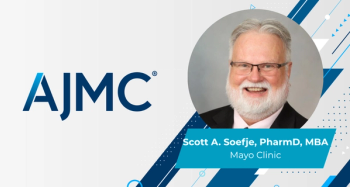
Mayo Clinic's Scott Soefje, PharmD, MBA, explains how logistics, contracts, and cost shape access to new cancer drugs and high-cost drug reviews.
Advertisement
Advertisement
Trending on AJMC
1
Extension Studies in TPIP Show Promise in PAH, PH-ILD
2
Bepirovirsen Approval Offers New Option for Chronic HBV Treatment
3
Inhaled Amikacin Raises Culture Conversion in New MAC Lung Disease
4
Bronchiectasis GWAS Highlights Candidate Targets Shared With COPD
5