



A large cohort study aimed to find out whether tumor-infiltrating lymphocytes, an important biomarker in melanoma, could be an independent prognostic factor for overall survival.

A large cohort study aimed to find out whether tumor-infiltrating lymphocytes, an important biomarker in melanoma, could be an independent prognostic factor for overall survival.

A retrospective study on the combination of a vascular endothelial growth factor receptor inhibitor plus programmed cell death-1 blockade added to evidence of efficacy in early trials.

Christine Ko, MD, professor of dermatology and pathology at Yale University, who specializes in transplant dermatology, explains the considerations involved with skin cancer–related treatment decisions among patients who’ve undergone a solid-organ or other type of organ transplant.

In patients with BRAF-mutated melanoma, achieving a complete response and circulating tumor DNA negativity are promising prognostic markers.

Todd Schlesinger, MD, FAAD, director, Dermatology and Laser Center of Charleston and Clinical Research Center of the Carolinas, explains the process of Mohs surgery for removing skin cancers and preserving healthy surrounding tissue.

Combination CDK4/6 and MEK inhibitor treatment reduced tumor growth in mouse models of melanoma with acquired resistance to BRAF and MEK inhibition.

The largest known prospective study of patients treated with trametinib plus dabrafenib for unresectable advanced melanoma with BRAF-V600 mutation confirmed the combination’s clinical activity.

A study of patients given first-line metastatic melanoma treatment showed that utilization rates were highest in patients using ipilimumab-containing therapies.

This new analysis of combination treatment with ipilimumab and nivolumab identified factors likely to lead to therapeutic success with the combination.

Patients with BRAF-V600 mutated metastatic melanoma have new treatment options to consider, but scientists are still waiting on additional data to help choose which first-line treatments are best for which patients.
Patients who undergo transplant face an increased risk of skin cancer because of their immunosuppressed status, explained Christine Ko, MD, professor of dermatology and pathology at Yale University.
Patients over the age of 65 had similar rates of serious adverse events, and nearly identical progression-free survival, when compared with younger patients.
Being a full-service dermatology practice helps make patients' lives easier when they have skin cancer, explained Todd Schlesinger, MD, FAAD, director, Dermatology and Laser Center of Charleston and Clinical Research Center of the Carolinas.

Results of a multicenter study showed 43% of patients with advanced melanoma treated with anti–programmed cell death 1 therapy experienced chronic complications.
Autophagy inhibition could help patients who develop resistance to BRAF inhibitors, but a new review shows important questions remain.

Researchers outline factors that may inhibit immune checkpoint inhibitor efficacy in patients with melanoma.
Actinic keratosis outcomes can be affected by several variables, and these lesions need to be treated to minimize progression risk, noted Todd Schlesinger, MD, FAAD, director, Dermatology and Laser Center of Charleston and Clinical Research Center of the Carolinas.
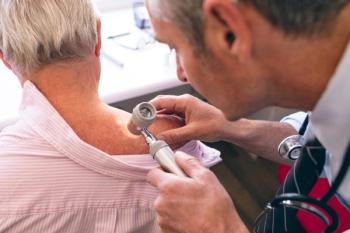
New strategies are currently being investigated to find out how to avoid resistance to immune checkpoint inhibitors and BRAF/MEK inhibitors.

Researchers compared billing codes from electronic health records to accurately quantify how many skin cancers patients had.
We can safely delay excising in situ and early-stage melanomas while managing our patients’ care, noted Todd Schlesinger, MD, FAAD, director, Dermatology and Laser Center of Charleston and Clinical Research Center of the Carolinas.

Collaborating with colleagues outside of dermatology helps to maximize the chances of skin cancer not coming back, especially in rare cases of noncontiguous tumors, noted Rajiv Nijhawan, MD, director of the UTSW High Risk Skin Cancer Transplant Clinic, in Dallas, Texas.
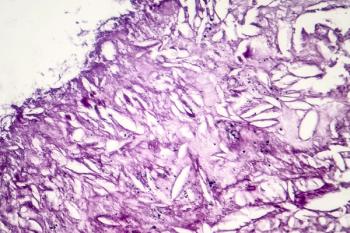
A report reviews the case of a patient with stage IV melanoma who, while having several issues with treatment toxicity, was later free of disease following treatment with BRAF and MEK inhibitors.

Outside of breast cancer, cyclin-dependent kinases 4 and 6 (CDK4/6) inhibitors have not been as successful as tumors develop resistance. New research shows that a murine double minute (MDM2) antagonist can help CDK4/6 inhibitors overcome resistance, offering a potential second-line treatment option in melanoma.

A phase 2b clinical trial is producing promising results for a personalized cancer vaccine used in patients with stage III and IV resected melanoma.

In a session at Asembia's 15th annual Specialty Pharmacy Summit, held April 29 to May 2 in Las Vegas, speakers highlighted a pilot program to gather and use real-world evidence to compare outcomes at 7 large academic medical centers for patients with rheumatoid arthritis, multiple sclerosis, and malignant melanoma.