





Type 1 Diabetes
Latest News
Advertisement
Latest Videos


Advertisement
More News

Previous research has shown household food insecurity is linked with poor dietary intake, but research specific to those with diabetes has been sparse.

CGM Education, Family Behavioral Intervention May Help Reduce Burden on Parents of Children With T1D
Young patients with type 1 diabetes (T1D) have significant social, physical, and emotional development challenges that occur before age 8.

New research suggests that racial residential segregation is associated with glycemic control among Black youth with type 1 diabetes.

The MiniMed 780G system has been approved for children aged 7 years and up with type 1 diabetes (T1D), according to Medtronic.

Although children with type 1 diabetes (T1D) are slightly more likely to experience long-term educational underachievement than their peers without T1D, those who also have a psychiatric disorder have significantly lower odds of achieving educational milestones.

Research showed the risk of progression to type 1 diabetes (T1D) was nearly 70% lower among children with high iron intake compared with children with moderate iron intake.

Researchers also found correlations between contrast sensitivity function and age, HbA1c, and type 1 diabetes (T1D) duration under different lighting conditions.

A recent analysis suggests that cardiovascular and socioeconomic factors explain one‐quarter of the racial and ethnic differences in arterial stiffness of youth with type 1 diabetes.
Data from the Finnish Pediatric Diabetes Register revealed a 16% increase in type 1 diabetes (T1D) incidence among Finnish children during the first 18 months of the COVID-19 pandemic.

Differentiating type 1 and type 2 diabetes care is a major issue that needs better understanding, said Kevan Herold, MD, professor of immunobiology and medicine at Yale School of Medicine

Research showed that screening 10-year-old adolescents who are at high risk of type 1 diabetes (T1D) for islet autoantibodies could predict future development of T1D.
It's harder for younger children to deal with the complexities of managing type 1 diabetes (T1D), so a delayed diagnosis even by a few years is a big deal, said Kevan Herold, MD, professor of immunobiology and medicine at Yale School of Medicine.
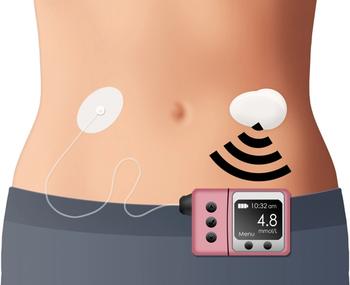
Young children using the t:slim X2 insulin pump with Control-IQ Technology system maintained target glucose levels for 3 hours longer than children using an insulin pump or daily injections with a continuous glucose monitor.
There is clearly an important role for teplizumab to treat type 1 diabetes (T1D) right now, said Kevan Herold, MD, professor of immunobiology and medicine at Yale School of Medicine.

Researchers found that treatment modality was associated with the proportion of youths with type 1 diabetes (T1D) achieving recommended clinical targets.
Kevan Herold, MD, professor of immunobiology and medicine at Yale School of Medicine, talks about some insurers' requirement for patients to have a first-degree relative with type 1 diabetes to qualify for coverage of teplizumab.

Research found that patients with acute myocardial infarction (AMI) have worse in-hospital clinical outcomes if they also have diabetes, especially type 1.

A trial enrolling 97 children newly diagnosed with type 1 diabetes did not meet the primary endpoint of preservation of insulin production by beta cells, but it did show a significant decrease in fasting and clinically relevant reduced serum glucagon.

The glycemia risk index (GRI) showed that pediatric patients and those receiving continuous subcutaneous insulin infusion had higher overall component of hypoglycemia than adults and those receiving multiple doses of insulin.

Data showed that 64% of adults without any type of diabetes had overweight or obesity, compared with 62% of adults with type 1 diabetes (T1D) and 86% with type 2 diabetes between 2016 and 2021.

Interventions in 9 studies were linked with varying effects on glycated hemoglobin, type 1 diabetes (T1D) management adherence, self-management behaviors, and parent-child teamwork in T1D management.

Based on trends between 2011 and 2019, type 1 diabetes (T1D) and diabetic ketoacidosis (DKA) incidence in German children and adolescents increased significantly more than previous estimates.

Younger patients with type 1 diabetes (T1D) and comorbid post-traumatic stress disorder (PTSD) faced the strongest negative impact on certain T1D outcomes compared with patients without PTSD or general mental comorbidities.

A systematic review evaluating sex differences in children with type 1 diabetes (T1D) found that female children had higher rates of comorbidities, higher body mass index, required higher insulin doses, and had a lower quality of life compared with male children.
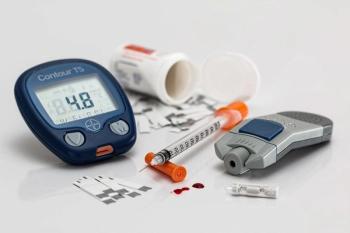
Though not a causal relationship, a cross-sectional study found a significant association between diabetes-related self-stigma and glycated hemoglobin (HbA1c) in Japanese adults with type 1 diabetes (T1D).
Advertisement
Advertisement
Trending on AJMC
1
MFN Drug Agreements Could Raise Prices Worldwide
2
FDA Clears First Alzheimer Blood Test for Adults as Young as 40
3
Newer Agents, New Advantages: Brexpiprazole, Cariprazine, and Lumateperone in MDD
4
Dosing, Tolerability, and Formulary Impact: Aripiprazole and Quetiapine XR in MDD
5