



Type 1 Diabetes
Latest News
Advertisement
Latest Videos




Shorts

0:40
Can Oral Ketones Treat Diabetic Heart Failure?: Anne Komé, PharmD
3 months ago
by
Giuliana Grossi(+1 more)
Advertisement
More News
Global type 1 diabetes cases are on the rise, especially in low-income countries, highlighting an urgent need for targeted health care strategies and epidemiological studies.

A new technology for management of diabetes is cost-effective for patients in the US with type 1 diabetes compared with traditional treatments.

A new study highlights the potential of technology to aid in type 1 diabetes (T1D) management by balancing minimal user input with significant data output to improve user engagement and time in range.

A new prevalence study shows more people are living beyond age 65 with type 1 diabetes (T1D).
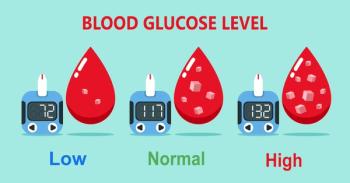
Notably, adolescents and young adults (AYA) living with type 1 diabetes (T1D) who reported more comfort with self-management tended to have worse glycemic control.
Men are less likely than women to desire community when exercising, the authors found.

Synthesizing 11 qualitative studies, authors present a nuanced picture of how patients with type 1 diabetes (T1D), and the health care professionals (HCPs) who treat them, feel about using social media platforms as a self-management tool—and where improvements can be made.

The updated branding better reflects the group's mission of research and advocacy.
In the course of investigating the use of Bacillus Calmette-Guérin for high-risk individuals who have type 1 diabetes (T1D), researchers hoped—and found—that BCG could substantially reduce the chance of those with T1D contracting COVID-19; BCG has historically been used to prevent tuberculosis (TB).
A new report builds on previous research that could help scientists better understand type 1 diabetes (T1D) risk.
A retrospective study of over 100 pediatric and adolescent patients showed that providing virtual training for insulin pump use was both safe and effective.

HHS officials are moving forward with a plan to produce 4.8 million doses of H5N1 avian flu vaccine; Novo Nordisk’s long-acting insulin had a greater risk of excessively lowering patients’ blood sugar without offering better sugar level management; Los Angeles County launched an ambitious effort to tackle medical debt.

Although an aerobic cooldown indeed lowers blood glucose levels in adults with type 1 diabetes after fasted exercise, by itself, the impact it has on hyperglycemia is insignificant.
The results of T1International’s 2022 Out-of-Pocket Expenses survey highlight many huge inequities in the US and around the world relating to insulin and diabetes care supplies.
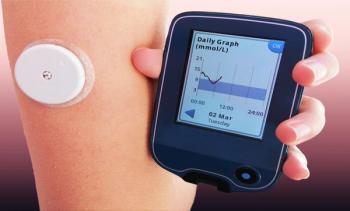
Closed-Loop Glucose Management Improves Outcomes in Youth With T1D
Published: | Updated:
Patients with type 1 diabetes (T1D) reported improved glucose outcomes, but they also said their sleep and quality of life benefited.

Findings from the FAMS-T1D study demonstrate that structured goal-setting and achievement significantly enhance self-efficacy and self-care in emerging adults who have type 1 diabetes (T1D).
Type 1 diabetes (T1D), which once predominantly affected children, is increasingly affecting older adults in the US, with prevalence rates peaking in those aged 45 to 64, according to recent research.

JAMA used a case report of rhino-orbital-cerebral mucormycosis in a patient with uncontrolled diabetes to demonstrate correct and incorrect treatment choices.
The connection was primarily established between type 1 diabetes (T1D) and the eating disorders bulimia and binge eating, with female patients with T1D at higher risk of insulin misuse as a result.

The LIFE-T1D model, demonstrated an ability to estimate the lifetime risk of heart disease among several groups of people with type 1 diabetes (T1D).
Previous research links type 2 diabetes and metabolic dysfunction–associated steatotic liver disease (MASLD).

Similar burdens were observed among both children with a diagnosis of type 1 diabetes (T1D) and their informal caregivers, both at the time of diagnosis and when the disease was already established.

Robert Gabbay, MD, PhD, discusses research showing that early intervention with a recent FDA-approved therapy can delay the onset of type 1 diabetes by an average of 2-3 years.
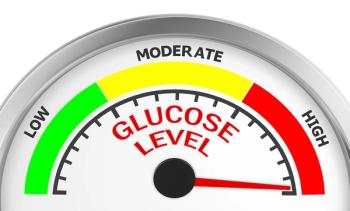
Individual variations in cognitive performance based on fluctuating glucose levels were observed, necessitating further research on the topic.
A medical professional discusses the process of diagnosis of type 1 diabetes, including challenges that emerge during screening and considerations for improving the pathway.
Advertisement
Advertisement
Trending on AJMC
1
FDA Clears First Alzheimer Blood Test for Adults as Young as 40
2
RSV Vaccine Shows 100% Effectiveness in COPD: Jorgen Vestbo, MD
3
FDA Shortens Tarlatamab Monitoring, Widens Access to SCLC Care
4
5 Things to Know About the 2026 ESC Heart Failure Guidelines
5