

Frank Martin, PhD, director of research at JDRF, discusses the importance of diabetic ketoacidosis mitigation efforts and appropriate education for parents of children with type 1 diabetes (T1D).

Frank Martin, PhD, director of research at JDRF, discusses the importance of diabetic ketoacidosis mitigation efforts and appropriate education for parents of children with type 1 diabetes (T1D).

Researchers identified gene expression signatures associated with risk of type 1 diabetes (T1D).
Frank Martin, PhD, director of research at JDRF, outlines some of the past and current efforts of the organization to support type 1 diabetes prevention therapies.

An analysis of an ongoing study on children genetically at risk of type 1 diabetes examines the monitoring behaviors of parents.
Frank Martin, PhD, director of research at JDRF, on the organization’s T1Detect screening program and exploring potential causes of type 1 diabetes.

While clinical trials have screened people with family risk of type 1 diabetes for many years, population-level screening for autoantibodies is not the norm.

Deficiencies in immunoglobulin levels frequently coexist with type 1 diabetes (T1D) in pediatric patients according to new study results.
The research, funded in part by the JDRF, springs from the fact that autoimmune diseases are increasing worldwide, and are rising faster among Black and Hispanic youth.

Researchers analyzed the impacts of different nutritional education programs among patients with type 1 diabetes (T1D).

Authors of a review article explore the role of HLA antigens in type 1 diabetes and autoimmune thyroid disease.

Millions of Johnson & Johnson vaccines spoiled at a Baltimore production plant; CDC adds type 1 diabetes as a comorbidity increasing risk of severe COVID-19; study finds high rates of organ failure among patients with COVID-19 discharged from hospitals.

Pediatric patients with poorly controlled type 1 diabetes have a 10 times greater risk of complications and death from COVID-19 compared with children whose diabetes is well controlled, according to new research.

Regardless of insurance status, racial disparities in technology use and diabetes outcomes persist in children with type 1 diabetes (T1D), according to a recent study.

In recent years, the number of children diagnosed with additional autoimmune diseases accompanying type 1 diabetes (T1D) has increased, according to a study published in Frontiers in Endocrinology.
From funding innovative research to advocating for government action to providing a support structure for our community, no other organization does more to fight type 1 diabetes (T1D) than JDRF.
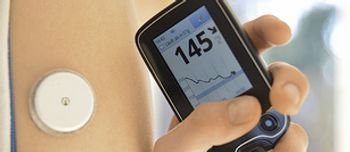
The results suggested that very accurate short-term prediction can be achieved by only monitoring interstitial glucose data over a very short time period and by using a low sampling frequency.

“Diabetes fully ripped my life and potential away. I always grew up thinking I would be a professional musician. I feel like I’m still mourning the loss of what my life would have been.” --Sarah Tackett, age 26
Older patients who are improperly diagnosed may not gain access to insulin and delivery and monitoring tools, such as pumps or continuous glucose monitoring.
The advocacy group said the type 1 diabetes community is concerned about the payer's decision because not every device works the same way for every person. After a 2016 policy change affecting adults, 2 pump makers pulled devices from the US market, although other innovation has continued.
FAA policy on granting medical certificates to people who use insulin are based on policies created in 1949, and advocates for people with diabetes say there's been a revolution in technology and medication since then.

Rick Doubleday, the executive vice president and chief commercial officer at Dexcom, discusses his company's new partnership with Fitbit and what patients with both type 1 and type 2 diabetes will get out of it.
The #Coverage2Control campaign begins a year after the announcement that UnitedHealth would shift most adult type 1 diabetes patients toward Medtronic technology, or require them to pay significant out-of-pocket costs. More significantly, JDRF reports payers are saying they will not fund the artificial pancreas.
Too often, experts say, fear of hypoglycemia causes those with T1D to forgo exercise, despite the benefits.