Daratumumab plus VRd and frontline daratumumab plus VTd produced deep, durable responses in patients with transplant-eligible multiple myeloma in updates to the PERSEUS and CASSIOPEIA trials, respectively.

Daratumumab plus VRd and frontline daratumumab plus VTd produced deep, durable responses in patients with transplant-eligible multiple myeloma in updates to the PERSEUS and CASSIOPEIA trials, respectively.

Speakers on precursor disease addressed distinctions between MGUS and smoldering multiple myeloma, risk stratification, and new thinking on the role of immunological aging, especially how it affects Black patients.

Higher levels of lipoprotein(a) (Lp[a]) were found to be associated with a continuously increasing risk of recurrent atherosclerotic cardiovascular disease (ASCVD) events.

Amy Peterson, MD, professor in the Department of Pediatrics at the University of Wisconsin, discussed current pediatric lipid screening guidelines and the potential evolution of pediatric lipid screening in the coming years.

Multiple sessions at ESMO Congress 2024 covered antibody-drug conjugates (ADCs), which are an emerging therapy that holds great promise in cancer but comes with challenges.

A collection of research by Helen Hobbs, MD, highlights how genetic mutations influence cholesterol levels and impact heart disease risk, offering insights into lifelong cardiovascular health management.

On day 1 of the Family Heart Global Summit, speakers highlighted the critical need for awareness, early diagnosis, and innovative treatment options for familial hypercholesterolemia, sharing significant strides made in the field over the past decade.

The 21st annual meeting of the International Myeloma Society (IMS) takes place September 25-28, 2024, in Rio de Janeiro, Brazil.

The phase 1/2 SAINT study is currently investigating intravenous trabectedin plus ipilimumab and nivolumab in the first line for advanced soft tissue sarcoma.

Anant Madabhushi, PhD, executive director for the Emory Empathetic AI for Health Institute, discusses the potential of artificial intelligence (AI) for myeloma research at the 2024 International Myeloma Society conference.

The toxicity of lung cancer treatment has traditionally been discussed in terms of physical symptoms, but there is a growing focus on financial toxicity, time toxicity, and other effects on well-being, as reflected in research presented at the 2024 World Conference on Lung Cancer.

Chairs and presenters from the 2024 World Conference on Lung Cancer comment on their favorite parts about attending this meeting each year.

Introducing artificial intelligence (AI)–powered robots like AMECA into health care comes with potential benefits like improved clinical decision-making and faster diagnoses, but also presents challenges such as misinformation risks and data privacy concerns.

Toby Maher, MD, PhD, professor of clinical medicine, Keck Medicine of USC, discusses recent advancements in clinical trials for patients with idiopathic pulmonary fibrosis (IPF) and progressive pulmonary fibrosis (PPF).

The first overall survival analysis of the KEYNOTE-522 trial showed positive outcomes with neoadjuvant pembrolizumab plus chemotherapy followed by adjuvant pembrolizumab monotherapy vs neoadjuvant chemotherapy alone in high-risk early-stage triple-negative breast cancer (TNBC).

Nicolas Girard, MD, head of the Curie-Montsouris Thorax Institute, discusses patient-reported outcomes (PROs) from the phase 2 LUMINOSITY trial of telisotuzumab vedotin (Teliso-V) in non–small cell lung cancer (NSCLC).

The evolving landscape of artificial intelligence (AI) use in cancer care requires evaluation of algorithms before implementation and continual monitoring after, explained Amy Abernethy, MD, cofounder of Highlander Health and former FDA official.

At ESMO Congress 2024, Shuji Ogino, MD, PhD, MS, explained that the rising incidence of young-onset cancer may be due to generational risk factors such as lifestyle, diet, and environmental changes, emphasizing the need for long-term research and follow up to understand early-life influences on cancer development.

Lowered costs and incremental effectiveness could improve when using biomarker-guided selection for treatment of patients with metastatic colorectal cancer using first-line nivolumab.

Clinical research presented at the European Society for Medical Oncology Congress 2024 highlights the significant survival benefits of perioperative and neoadjuvant immunotherapy with nivolumab and nivolumab plus ipilimumab, while emphasizing the role of biomarkers, such as circulating tumor DNA and KRAS mutations, in guiding treatment decisions.

Mirvetuximab soravtansine showed high evidence of efficacy in heavily pretreated FRα-positive, platinum-sensitive ovarian cancer, which is a challenging patient population to treat, Angeles Alvarez Secord, MD, MHSc, gynecologic oncologist at Duke Health, said.

While neoadjuvant therapy in stage III or greater melanoma is already the standard of care, new research presented at European Society of Medical Oncology (ESMO) Congress 2024 shows that what therapy is used is important for outcomes.

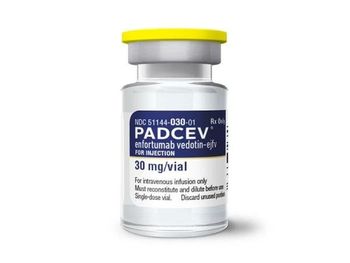
Enfortumab vedotin showed a robust disease control rate in patients with urothelial cancer outside of a clinical trial, and its efficacy was not inferior in patients with diabetes and/or neuropathy.

Sheela Rao, MBBS, FRCP, MD, consultant medical oncologist at the Royal Marsden Hospital, discussed the findings of the POD1UM-303/InterAACT2 trial of retifanlimab plus chemotherapy for squamous cell carcinoma of the anal canal (SCAC).

Davey Daniel, MD, chief medical officer at OneOncology, stresses the need for real-world evidence in genomic testing to improve patient outcomes and cost-effectiveness.

Jonathan Riess, MD, MS, director of thoracic medicine at UC Davis Health, gave insight into the rationale and efficacy data for combining cancer vaccine IO102-IO103 with pembrolizumab in advanced squamous cell carcinoma of the head and neck.

Deepened, persistent responses were seen in the long term among patients with advanced melanoma treated with fianlimab and cemiplimab, Meredith McKean, MD, MPH, director of melanoma and skin cancer research for Sarah Cannon Research Institute, explained.

Experts at the Skin of Color Update today in New York City highlighted recent FDA-approved dermatological treatments and emphasized the importance of clinical trial diversity.

It’s hard for practicing oncologists to stay on top of the latest clinical data, but good partnerships and clinical decision support tools can assist.

Panelists discussed how the Inflation Reduction Act and the Enhancing Oncology Model are impacting value in cancer care and access to treatment.