
Enfortumab vedotin plus pembrolizumab boosts survival and pCR in muscle-invasive bladder cancer, according to EV-304 trial data.
Enfortumab vedotin plus pembrolizumab boosts survival and pCR in muscle-invasive bladder cancer, according to EV-304 trial data.

Sweeping federal funding cuts and stalled prevention efforts are unraveling hard-won gains in HIV research and access, warns Peter Staley.

Todd Brown, MD, PhD, explains key considerations for using GLP‑1 drugs in patients with HIV, including titration tips, surgery precautions, and bone/muscle monitoring.

Presentations focused on the efficacy of long-acting cabotegravir, doravirine/islatravir, and bictegravir/lenacapavir when used as antiretroviral therapy.
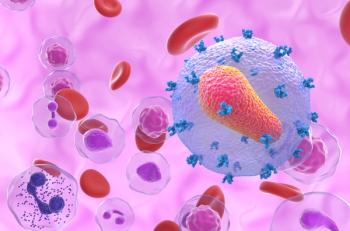
Abstracts presented during the Conference on Retroviruses and Opportunistic Infections 2026 offered a glimpse into which therapies patients prefer to use to treat HIV.
At CROI 2026, experts warned that missing HBV screening risks reactivation during HIV therapy switches.
The REPRIEVE study finds statins cut heart events in HIV by lowering lipids, inflammation, and hypertension risk.
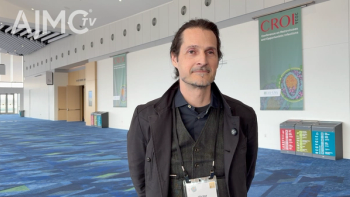
Victor Appay, PhD, explains how long-term ART slows immune aging, boosting HIV viral suppression and paving the way for remission without therapy.

Doxy-PEP reshapes STI prevention, while congenital syphilis surges; experts urge scaling HIV and STI care infrastructure to improve testing and treatment access.

New research shows that adherence to antiretroviral therapy and pre-exposure prophylaxis depends on a steady budget through PEPFAR and SNAP.

Posters presented during the Conference on Retroviruses and Opportunistic Infections 2026 highlight the safe use of tirzepatide in patients with HIV.

The first full day of CROI 2026 featured a lecture that outlined the next steps in treating and preventing HIV.

Safety profiles, efficacy, and lifestyle factors inform shared decision-making and help optimize biologic selection in inflammatory disease management.

Two analyses revealed significant delays and systemic barriers in the MS diagnostic journey alongside substantial clinical and economic burden in primary progressive MS.
CROI 2026 highlights will include HIV prevention, long-acting treatments, and other advancements shaping research, clinical practice, and global policy.

The conference, held in Denver, Colorado, promises presentations on breaking research and the future of prevention.
Kohei Shitara, MD, discusses CLDN18.2-guided therapy, nivolumab plus zolbetuximab, and toxicity management in advanced gastric and gastroesophageal cancers.

OCEANIC-STROKE shows asundexian cuts recurrent ischemic stroke risk across noncardioembolic subtypes without increasing major bleeding risk.

OCEANIC-STROKE shows asundexian cuts ischemic stroke recurrence by 26% in patients taking standard antiplatelet therapy, with no major bleeding increase.

Key takeaways from ISC 2026 included positive outcomes in stroke prevention, postthrombectomy care, and the return of neuroprotection.
New stroke breakthroughs spotlight faster treatment, factor XI prevention, better recovery, and the push to deliver care equitably with smart wearables.
OCEANIC-STROKE trial data show asundexian cuts ischemic stroke across subtypes with no rise in major bleeding, which could reshape antithrombotic choices.
Ashkan Shoamanesh, MD, discusses a secondary analysis of the efficacy and safety of the factor XIa inhibitor asundexian by underlying stroke etiology.

In a pair of lively debates at the International Stroke Conference 2026, experts from around the world discussed controversies in stroke care.
Stroke patients face unequal access to clot-removal care; race and insurance shape transfers, even with Medicare—here’s what must change, according to Luke Messac, MD, PhD.

Experts at ISC 2026 highlighted growing evidence that GLP-1 receptor agonists may reduce stroke risk and support brain health through anti-inflammatory, vascular, and neuroprotective mechanisms.
ED dizziness visits see rising MRI use at discharge; exam-guided imaging helps detect missed strokes and informs secondary prevention.
Stroke recovery improves when care addresses social needs like reducing loneliness and depression and strengthening support.

Linda Stein Gold, MD, shares insights on new therapeutic options for patients with various psoriasis subtypes and psoriatic arthritis.

Yearly dental visits were associated with fewer secondary strokes, and hyperthyroidism was flagged as a key CVST risk factor in women.