

This week in health equity and access: Medicaid cuts; mailed FIT outreach; EEOC pregnancy rules; GLP-1 Bridge access; and 2027 policy shifts.
This week in health equity and access: Medicaid cuts; mailed FIT outreach; EEOC pregnancy rules; GLP-1 Bridge access; and 2027 policy shifts.

Cancer care demand is constantly shifting, with panelists at PCOC 2026 debating the benefits of automation vs retaining live patient access.

Senator Andy Kim (D, New Jersey) discusses plans to reverse Medicaid cuts and make caregiving a priority in the next Congress.

A systematic review and meta-analysis found GLP-1 RAs improved liver and metabolic markers in MASLD and MASH, but long-term benefits remain unproven.
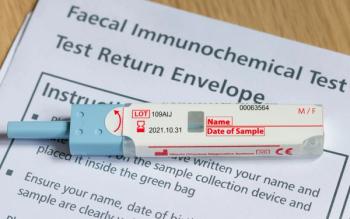
Mailed fecal immunochemical test (FIT) outreach raised CRC screening at federally qualified health centers, but gains faded by year 3.

Most hospitalized COPD flare-ups aren't severe by bedside criteria, experts say, and a tiered testing bundle could guide emergency care.
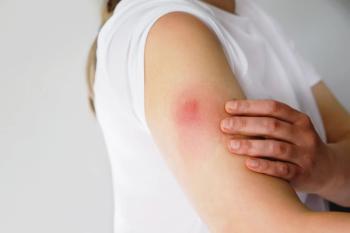
SIRVA was rare after COVID-19 and flu shots, but COVID-19 vaccination had about 7 more cases per 100,000 doses in a study of 1.8 million.

Mucus plugs on chest CT may signal higher COPD hospitalization and death risk even without cough, and early data suggest they can be treated.

Coverage of our peer-reviewed research and news reporting in the health care and mainstream press.

Why artificial intelligence in health care falls short today and how implementing technology in health care requires integrated workflows to cut costs and improve outcomes.

Experts say no inhaler suits every patient with chronic obstructive pulmonary disease, and technique can fade within 30 days without retraining.

Experts say COPD care should aim for disease stability, with advanced therapy a routine next step, not a last resort, for patients who fall short.

Antimicrobial resistance in bronchiectasis and cystic fibrosis varied widely in a study spanning 11 centers on 3 continents.

The EEOC is reportedly preparing to narrow Pregnant Workers Fairness Act rules; no revised rule has been published as of yet.

Experts break down the GOLD 2026 COPD guidelines, highlighting updates to diagnosis criteria, Group E risk categories, and nonpharmacologic interventions.

An economic evaluation found nontargeted hepatitis C screening in emergency departments offered the greatest health benefit at a cost-effective price.

Pooled data on 2698 patients tie rituximab maintenance after bendamustine-rituximab to better PFS and OS in mantle cell lymphoma.

Among 788 patch-tested patients with hand eczema in Shanghai, 82% reacted to at least 1 allergen.

The 2026 meeting in Denver features more than 265 hours of programming, real-world MASH treatment data, and late-breaking results in rare liver diseases.

In 299 patients, more involved compartments were linked to higher complication risk after one-stage resection; 14.4% had documented recurrence.

A cranberry supplement was tied to greater OAB symptom score reductions than placebo in a 25-woman pilot trial, but urobiome findings were unconfirmed.

A runner's death at the NYC marathon highlights how heat, dehydration, illness, drugs, and genetics can raise exertional rhabdomyolysis risk.

ALLEGRO extension news shows Litfulo (ritlecitinib) delivers durable hair regrowth in severe alopecia areata after 3 years.

The GOLD International COPD Conference will cover underdiagnosis, exacerbations, mucus, biologics, and a preview of the 2027 GOLD Report.

People with multiple sclerosis make up most of a survey linking variable-friction footwear to fewer self-reported falls.

Clinicians at an AJMC roundtable in Cleveland said Medicare's GLP-1 Bridge came late and that cost and capacity gaps persist.

Nathan Estrada, DPT, explains which patients, including those with multiple sclerosis, may benefit from footwear that adapts to gait.
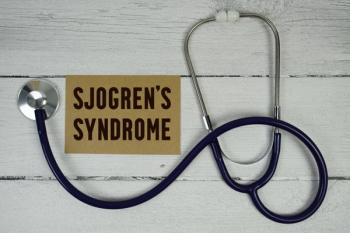
Patients with Sjögren disease have 5-fold higher odds of depression, yet screening tools remain unvalidated, a new review finds.

Medicare Advantage exits, rising ACA premiums, a Medicare for America bill, and a Medicaid work rule ruling frame health policy on Election Day.

Patient selection raised detection of pathogenic germline variants from 6% to 27% in lung cancer studies.