
James P. Allison, PhD, and Tasuku Honjo, MD, PhD, led the basic science experiments that showed the potential of checkpoint inhibitors, creating a fourth pillar in the treatment of cancer.
James P. Allison, PhD, and Tasuku Honjo, MD, PhD, led the basic science experiments that showed the potential of checkpoint inhibitors, creating a fourth pillar in the treatment of cancer.

A single leukemia cell was able to reproduce and cause a deadly relapse of pediatric B-cell acute lymphoblastic leukemia (ALL) after it had bonded with the leukemia-targeting chimeric antigen receptor (CAR) lentivirus and infused back into a patient. The case of the cell that became resistant to CAR T-cell therapy was published in the journal Nature Medicine Monday.

Senators Orrin Hatch, R-Utah, and Michael Bennet, D-Colorado, have introduced a new bill that would allow the FDA to include off-label uses on certain generic drug labels; in the 2017-2018 flu season, influenza killed 80,000 Americans, easily surpassing the previous record of 56,000 deaths for a regular flu season; in the last 4 years, the number of babies born with syphilis has more than doubled, reaching a 20-year high.

Antibiotic treatment may be a feasible alternative to surgery for uncomplicated acute appendicitis, according to findings from a 5-year observational follow-up study that compared appendectomy with antibiotic treatment.

Here are the top 5 articles for the month of September.

The majority of patients who suffer from migraine experience premonitory symptoms and are able to predict at least 1 attack, according to a new study.

Not only do physician-group accountable care organizations (ACOs) save Medicare more money than hospital-integrated ACOs, but the savings of physician ACOs grew substantially over 3 years.

Loyola University Chicago and Loyola Medicine announced plans this week to develop their own chimeric antigen receptor T-cells that would have less toxic side effects.

Black women are more likely to be diagnosed at a later stage of breast cancer in part due to barriers to timely screening mammography, a study reported, leading to a disparity in mortality and survival outcomes.

In a review of sex hormones and their role in the development of multiple sclerosis (MS), Ysrraelit and Correale compiled multiple references to provide clinical details regarding hormones and their respective immunological mechanisms.

Earlier this week, 3 studies were released that investigated the financial difficulties seen in patients living with cancer. Such difficulties are referred to as “financial toxicity,” which was studied in patients with metastatic breast cancer and older patients, as well as the conversations about cost of care that women with breast cancer have with their physicians.

Researchers recently investigated what role exercise plays in migraine prevention and found that although exercise can trigger migraine attacks, regular exercise may have prophylactic effects on migraine frequency.

Earlier this week, drug manufacturer Astrazeneca announced the results from a phase 3 trial studying durvalumab (Imfinzi) among patients with stage III unresectable non­–small cell lung cancer (NSCLC) who did not have disease progression after concurrent chemoradiotherapy.

Patients who use inhaled steroids to control their asthma or other breathing problems may be at a greater risk for developing nontuberculous mycobacterial lung infections.

Patients with chronic obstructive pulmonary disease (COPD) often have a significant disease burden that is particularly associated with the peak incidence of exacerbation events during winter months. A review assessed previous population studies that evaluated the impact of seasonality in COPD, emphasizing the importance of understanding how all factors impact patients and where interventions can be targeted.

Implicit biases may be unconsciously formed, but they can have real impacts for patients in the healthcare system if physicians or other healthcare providers don’t take the time to recognize their own implicit biases.

A recent meta-analysis shows that combined telemedicine involving telecase management or teleconsultation has significant improvements in asthma control and quality of life.

A phase 2 trial evaluating the 2 checkpoint inhibitors, nivolumab and ipilimumab, found significantly better tumor responses with the combination compared with nivolumab alone in patients with recurrent epithelial ovarian cancer.

Aetna is selling its Medicare Part D prescription drug unit to WellCare Health Plans; Seema Verma, administrator of CMS, defended Medicaid work requirements, saying they are not intended to kick people out of the program; an experimental tuberculosis (TB) vaccine demonstrated 54% protection in a clinical trial.

Coverage of our peer-reviewed research and news reporting in the healthcare and mainstream press.

New research findings and critical evaluation of existing data can lead to changes in screening and treatment of certain cancers. Here are some updates to the diagnosis and treatment of breast, uterine, and cervical cancers.

This week, the top managed care news included comments to several proposals from CMS; Medicare advocates say voters will be motivated by healthcare cost concerns during the midterm elections; research showed diabetes drug dapagliflozin, an SGLT2 inhibitor, reduces risks of major cardiovascular events.

Young men who have sex with men (MSM) who used the PrEPmate intervention were more likely to attend study visits and have higher rates of adherence to the prevention treatment.

Local leaders from northern New Jersey heard national best practices of social determinants of health at the Building a Culture of Health conference.

The in-home visit gives the pharmacist a unique perspective on the medication experience of the member, allowing them to compare discharge information and Part D claims information to the medications present in the home, as well as assess adherence and discover discrepancies by having the member walk them through when and how they take their medications each day.
Readmission rates for Medicare patients with 6 major diseases were statistically higher among for-profit hospitals compared with nonprofit or government hospitals, according to a new study.

Not only do drug prices increase during shortages, but drugs prescribed as substitutes also have higher costs; small business owners have identified the cost of healthcare as the most important issue affecting them; the average enrollee share of premiums for federal employees will increase 1.5% in 2019.
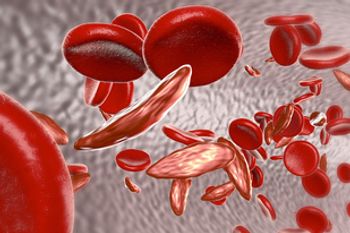
The new initiative will not focus on donor-related bone marrow transplants in sickle cell disease, but instead will home in on genetic modifications of a patient’s own stem cells.

A study has found that noninvasive vagus nerve stimulation can provide pain relief for up to 60 minutes after an acute attack.

The costs of pivotal trials ranged from $2.1 million to $346.8 million, with a central cluster of trials with estimated costs of $12.2 million to $33.1 million.