
Back-to-school planning is an optimal time to consider a behavioral health check-in for children, and telepsychiatry can fill gaps and improve access to this care.
Back-to-school planning is an optimal time to consider a behavioral health check-in for children, and telepsychiatry can fill gaps and improve access to this care.

A proposed rule from CMS would end the practice of home health aides paid directly by Medicaid having their union dues automatically deducted from their paychecks; the Trump administration says it has found a way around a federal judge’s June ruling stopping a Kentucky plan from introducing work requirements on those receiving Medicaid and will continue to allow states to put the restrictions in place; a California jury found Monsanto liable in a lawsuit filed by a school groundskeeper who said the company’s weedkillers, including Roundup, caused his non-Hodgkin lymphoma.

A new rule in the Medicare Access and CHIP Reauthorization Act’s 2019 Quality Payment Program and the proposed 2019 Medicare Physician Fee Schedule could negatively affect the quality of cancer care for Medicare beneficiaries, according to the American Society of Clinical Oncology.

While more healthcare organizations are understanding the benefit of upstream interventions, sustainable financing is still lacking.

While Orkambi was already approved to treat patients aged 6 years and older, this week’s approval marks the first time that very young patients, aged 2 to 5 years, have had a therapeutic option available to treat the cause of their cystic fibrosis.

People living with HIV are twice as likely to develop cardiovascular disease and the global burden of HIV associated with cardiovascular disease has tripled over the last 2 decades.

Researchers recently evaluated data collected from a lung cancer screening program at the University of Illinois at Chicago (UIC) and compared results to the national lung cancer screening guidelines.

The global age-standardized lung cancer mortality rate among women is expected to increase by 43% from 2015 to 2030, while the global age-standardized breast cancer mortality rate is projected to decrease by 9%, according to an analysis published in Cancer Research.

A new report from the Congressional Budget Office explored Medicaid managed care’s enrollment and spending and factors that affect both.

Lifestyle factors and individual characteristics, rather than air pollution, explain which women with asthma go on to develop chronic obstructive pulmonary disease (COPD), resulting in asthma and COPD overlap syndrome (ACOS), according to a new study published in the Annals of the American Thoracic Society.

A recent study aimed to evaluate the burden of age of onset of cardiovascular conditions in a US population with multiple sclerosis, neuromyelitis optica spectrum disorder, or transverse myelitis and found that cardiovascular conditions are as common in those with demyelinating diseases compared with unaffected individuals.

Since biosimilars gained a US approval pathway as part of the Affordable Care Act, these follow-on drugs have been widely seen as a key way to address the problem of high-cost biologic drugs. However, cost savings have been disappointing as only 12 biosimilar products have been approved to date, and just 4 have become commercially available. That’s a reality that led FDA Commissioner Scott Gottlieb, MD, to call the US market for biosimilars “anemic.”

Patients with ductal carcinoma in situ (DCIS) are often treated with radiation after lumpectomy, although it has remained unclear whether this can reduce the risk of dying from this noninvasive form of breast cancer. A new study published Friday said that the combination of the 2 treatments was associated with a small benefit in reduced risk of breast cancer death compared with lumpectomy or mastectomy alone.

This week, the top managed care stories included, CMS allowing step therapy in Medicare Advantage plans in a bid to allow for drug price negotiation; larger practices with more resources, technology and care management processes have higher readmission rates than smaller practices; studies find that empagliflozin also reduces liver fat in patients with diabetes and nonalcoholic fatty liver disease.

While the prevalence of migraine was significantly higher among patients with diabetes, the disease, itself, was not associated with a greater risk of migraine.

A phase 1 trial evaluating the safety and tolerability of PRN2246, a Bruton's tyrosine kinase inhibitor, found the drug having no serious medication-related adverse events in healthy volunteers while also being able to reach the brain.

The results of a recent population-based study from Korea identified fractures, age, and medication adherence as factors that affect osteoporosis-related healthcare costs, and said improved medication adherence could save approximately $5 million of osteoporosis-related healthcare costs annually.

A progress report from the Leukemia & Lymphoma Society highlighted policy measures that have eased the burden on patients, but also noted where more work is needed.

Coverage of our peer-reviewed research and news reporting in the healthcare and mainstream press.

In a survey of 170 employers, employers indicated that they are taking a more activist role in delivering healthcare to their employees, expressed frustration with the pharmaceutical supply chain, and said they expect to see a large uptake of virtual healthcare in the coming years.

Health insurance and drug companies have joined together to form the Partnership for America’s Health Care Future to wage a campaign against the growing idea of single-payer healthcare; surgery centers operate under an uneven mix of rules so that deaths and serious injuries can result in no warning to government officials, much less to potential patients; depending on which side you’re on, a ballot initiative called Proposition 8 in California to limit the profit of dialysis clinics is either an effort to improve patient care or it could jeopardize it by threatening the financial viability of clinics.

A Spanish study has found that low dose of rituximab, administered on-demand rather than at predetermined intervals, provides a good long-term treatment option for some patients.

CMS is proposing an overhaul for accountable care organizations (ACOs) participating in the Medicare Shared Savings Program by reducing the amount of time an ACO can stay in a 1-sided risk arrangement to 2 years. CMS said it expects to save about $2.24 billion over 10 years even as the number of ACOs drop. CMS is renaming the program "Pathways to Success."

Enrollment in high-deductible health plans with and without accompanying health savings accounts surged among working age adults, while use of traditional health plans decreased, the CDC reported Thursday.

Just one-third of respondents of the Migraine in America 2018 survey, conducted by Health Union, are aware of calcitonin gene-related peptide (CGRP) inhibitors. Those who did know about the therapies had questions and concerns, such as cost, insurance coverage, and side effects.
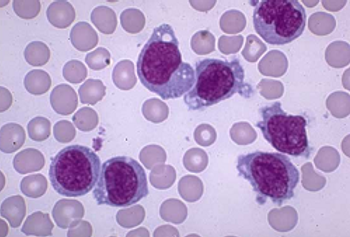
Researchers from the University of Texas MD Anderson Cancer Center, along with the Pediatric Acute Lung Injury and Sepsis Investigators Network (PALISI), recently published guidelines in Nature Reviews Clinical Oncology for the management of chimeric antigen receptor (CAR) T-cell therapy for children with acute lymphoblastic leukemia.

A month after Symtuza's approval, Janssen announced new switch data on the treatment and a second study supporting its use in a rapid initiation scenario.

A new, post-hoc study has reported that adalimumab, used as monotherapy, led to positive clinical, functional, and radiographic outcomes in patients with rheumatoid arthritis (RA) for up to 3 years in more than half of patients who reached low disease activity (LDA) following combination therapy.

Public health advocates are alarmed by a possible shift in long-standing policy about penalizing legal immigrants for accepting healthcare services, food stamps, heating assistance, and other noncash assistance as their applications to become permanent residents are pending.

Senator Bernie Sanders, I-Vermont, has claimed his Medicare-for-all plan will cut healthcare spending by $2 trillion, but fact checking shows that's unlikely; CVS' CEO defends its pharmacy benefit manager against claims rebates are driving up drug prices; researchers have found that immigrants have healthcare costs that are half to two-thirds of the costs of people born in the United States.