

Patients with asthma hospitalized with COVID-19 in Michigan in 2020 had more severe outcomes after taking certain factors into account, according to a recent study.
Patients with asthma hospitalized with COVID-19 in Michigan in 2020 had more severe outcomes after taking certain factors into account, according to a recent study.

Posters presented at the American Society of Retina Specialists (ASRS) 40th Annual Scientific Meeting evaluated the association between long-term visual acuity outcomes and use of anti–vascular endothelial growth factor (VEGF) therapy, as well as patient and caregiver experience with ant-VEGF.
Elaine Goodman, MD, MBA, clinical lead for population health management at Mass General Brigham, talks about how the COVID-19 pandemic should impact developments in digital health management going forward.

While anti–vascular endothelial growth factor (VEGF) therapy is the first-line treatment for diabetic macular edema (DME), a majority of patients discontinue therapy after 6 months and there is no consensus on the ideal dosing paradigm.

Three methods of cosmetic surgery—local skin flap, full thickness skin graft, and secondary intention—were evaluated for their scarring risk following Mohs microscopic surgery on the distal third of the nose.

Many algorithms claiming to identify melanoma better than dermatologists are trained on retrospective datasets, which is not reflective of real-world clinical practice, said Jonathan Kentley, MBBS, MSc, research fellow at Memorial Sloan Kettering Cancer Center.

A recent study found that teach-to-goal methods are more effective than brief interventions in metered-dose inhaler education for patients with chronic obstructive pulmonary disease (COPD) and asthma, but results may vary depending on levels of health literacy.

A machine learning model was able to predict visual outcomes and showed that the time from diagnosis to first treatment indicates visual improvement in patients with macular edema due to central retinal vein occlusion (CRVO).

Results looking at acceptance of minimal residual disease (MRD) status found that 60% of participants “would change at least one decision based on an MRD result,” and 54% would use both MRD status and disease risk to make decisions.

While comprehensive genetic profiling has the potential to change the course of certain patients’ cancers, a recent survey found that patients often have difficulty understanding results and their implications.

Most of the children readmitted to hospitals for asthma in Australia were preschool aged.

Frequent users of an app designed to support HIV pre-exposure prophylaxis (PrEP) adherence had higher adherence rates than individuals who used the app infrequently or not at all.

A new review notes advances and remaining questions, and calls for better incorporation of data from veterans.

The tool could help clinicians better screen patients for adjuvant chemotherapy following curative resection for intrahepatic cholangiocarcinoma (ICC).

Although technology is allowing for earlier detection of eye conditions, lack of reimbursement and insurance coverage remain major barriers to widespread use, explained speakers at the American Society of Retina Specialists 40th Annual Scientific Meeting.

A systematic review found that there was a bidirectional relationship between glaucoma and chronic kidney disease (CKD), especially in participants of East Asian descent.

A new review article outlines current agreements and disagreements between association guidelines, but notes the recommendations are likely to change more in the future.

Every year, the American Society of Retina Specialists releases the results of its latest Preferences and Trends Survey at the annual meeting. This year, the survey highlighted some surprising differences between US and international retina specialists, including off-label medication use and what drives drug choices for patients, said Paul Hahn, MD, vitreoretinal surgeon at NJRetina.

Faster and sectoral central location of ganglion cell complex thinning could be used to determine the risk of vision-related quality of life in patients with glaucoma.

Data show surgery leads to the best outcomes.

Screening for islet autoantibodies at ages 2 and 6 was highly predictive of type 1 diabetes (T1D) onset by age 15.

After struggling for months with a Clostridioides difficile infection, Freda Pyles traveled from her home to rural Pennsylvania to Yale-New Haven Hospital in Connecticut for the therapy that ultimately healed her.
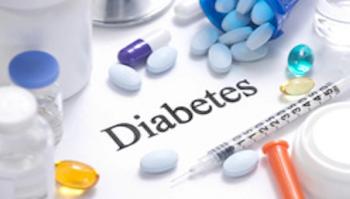
A recent study characterized the known association between corticosteroid exposure and type 2 diabetes (T2D), finding risk to be associated with treatment- and patient-related characteristics that can inform prescription of treatment with steroids.

House Democrats introduced a bill that would guarantee abortion access nationwide; Senator Joe Manchin, D-West Virginia, will not approve a bill that would reduce drug prices due to the energy and climate investments contained within the bill; the new Omicron subvariant of COVID-19 that is dominating the nation is more vaccine resistant.

Coverage of our peer-reviewed research and news reporting in the health care and mainstream press.

The retina space is evolving due to new technology that is changing the way specialists deliver care, whether that means offering the ability to do new procedures in the office or providing more virtual or hybrid care.

During a session at the American Society of Retina Specialists 40th Annual Scientific Meeting, speakers highlighted research into the opportunity cost of vitreoretinal surgery and the impact the pandemic had on retinal procedures and reimbursement in early 2020.

The combination regimen delivered better overall survival and response rates among patients with myelodysplastic syndromes (MDS).

The study of postmenopausal women in Iran found the efficacy of the biosimilar was noninferior to the reference product and the safety was comparable after 18 months.
Anne McCall, PhD, provost and senior vice president for academic affairs at Xavier University of Louisiana, in New Orleans, delves into the new partnership between the university and Takeda.