

RBM20 truncating variants are associated with a milder, lower-penetrance form of dilated cardiomyopathy compared with other pathogenic genetic drive.
RBM20 truncating variants are associated with a milder, lower-penetrance form of dilated cardiomyopathy compared with other pathogenic genetic drive.

Digitalis glycosides lowered worsening heart failure events in patients with HFmrEF and HFrEF, but no mortality benefit was observed.

Circulating tumor DNA (ctDNA) detection is linked to worse survival outcomes in resectable melanoma, but high false-negative rates limit its use in surveillance or de-escalation.
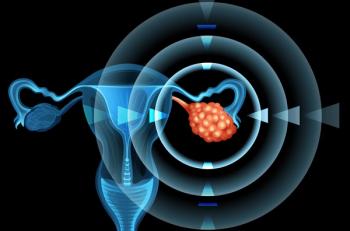
Endometriosis increases ovarian cancer risk, but endometriosis-associated ovarian cancer shows favorable tumor characteristics and better survival.

Amid disagreements between the FDA and White House on drug approvals, vapes, and mifepristone, the tenure of Marty Makary, MD, as commissioner has come to an end.

Younger patients with early-onset CRC, especially men and racial and ethnic minority groups in urban areas, face a higher risk of cardiovascular death.

Eighteen Legionella cases were linked to Kaiser Santa Clara as officials investigate the source and infection risks.

The FDA announcement seeks nominees from the public for drug repurposing, leveraging AI signals to expand treatment options for rare diseases and other unmet needs.

In part 2, Deborah Doroshow, MD, PhD, discusses early clinical trial access, emerging lung cancer therapies, and barriers to equitable access.

Emphasizing the areas that can be improved when adherent to medication can be a means of keeping patients with retina diseases on their treatment, notes Anton M. Kolomeyer, MD, PhD.

Efgartigimod has recently been shown effective when investigated to treat ocular myasthenia gravis and juvenile myasthenia gravis.

Deep learning model beats breast density for 5-year breast cancer risk, informing supplemental screening decisions and personalized care.

Fears that the telemedicine boom would send health care costs soaring haven’t been borne out, a major new study finds, and the timing couldn’t be more critical for federal policy makers.

Deborah Doroshow, MD, PhD, blends oncology and history of medicine to guide cancer care, emphasizing communication, trust, and health equity.

Remote DBS programming improved Parkinson symptoms faster and reduced travel burdens, expanding access to specialized care.

From psychedelics to abortion pills, drug pricing, crisis lines, and cancer care, new policies reshape access—and expose gaps patients still face.
When added to maximally tolerated statin therapy, inclisiran was associated with significant reductions in MACE and hospitalizations among patients with ASCVD.

Epcoritamab added to R2 sharply boosts follicular lymphoma responses, but infection risks and real-world feasibility raise tough treatment decisions.

An NCCN Policy Summit webinar on May 7 warned that cancer care is failing patients, as poor health literacy, misinformation, and digital overload widen gaps in understanding.

New review maps how endometriosis hijacks glucose, lipid, and amino acid metabolism to fuel lesion survival, immune evasion, and infertility.

Here is a policy briefing for chief medical officers and managed care leaders on key pressure points about the Medicaid funding cuts.
Deborah Doroshow, MD, PhD, an oncologist and historian, reflects on guiding patients through cancer care and how lessons from the past shape treatment today.

Newly FDA-approved DOR/ISL offers an INSTI-free, 2-drug HIV treatment option with durable suppression and favorable safety.

LXB significantly improved nighttime sleep architecture and daytime symptoms in narcolepsy type 1 and 2, according to phase 4 DUET study results.

New soft tissue sarcoma radiotherapy guidelines favor preoperative radiotherapy, refine dosing and targeting, and preview the role of immunotherapy and hypofractionation.

Their study found cost nudges had minimal effect on clinic selection, as 85% already chose lower-cost tiers, suggesting tiered benefit design works.

A rare hantavirus outbreak aboard a cruise ship has killed 3 passengers, raising concerns over Andes virus transmission risks.

Patients with late-onset multiple sclerosis are less likely to receive high-efficacy disease-modifying therapies than younger patients.

High-dose vitamin D₃ supplementation reduced diabetes risk by 19% in adults with prediabetes who carry specific vitamin D receptor gene variants.

For BTK inhibitor selection in frontline CLL treatment, age, risk profile, and long-term sequencing strategy influence treatment decisions, says Kerry Rogers, MD.