The findings could lead to new insights into how type 1 diabetes develops.

The findings could lead to new insights into how type 1 diabetes develops.

The latest mass shooting in a school has sparked a renewed a debate on mental health and gun control in the United States; CVS will stop filling controlled-substance prescriptions ordered by clinicians who work for telehealth companies Cerebral and Done; the FTC launched an inquiry into the ongoing baby formula shortage.

Thirst outcomes were investigated among patients with stable heart failure (HF), due to the limited data available on this relationship and how it, along with fluid and sodium intake, influences clinical outcomes in this population.

A longitudinal cohort study found that mild albuminuria was associated with cognitive decline, worse baseline cognitive function, and increased risk of incident cognitive impairment and dementia.

With recreational marijuana dispensaries becoming more common across the country, the benefits of medical marijuana could be neutralized. How can doctors and dispensaries make sure the benefits of medical marijuana are still felt in a post-legalization nation?

Prescription digital therapeutic (PDT) reSET-O, used for opioid use disorder, had similar engagement levels across a broad range of geographic regions in the United States, including both urban and rural areas.

There are an increasing number of targeted therapies in oncology, but challenges around biomarker testing and treatment selection remain.

Abstracts presented at Digestive Disease Week 2022 showed that RBX2660, an investigational microbiota-based drug, was more likely to reduce the recurrence of Clostridioides difficile infection (CDI) compared with placebo.

If there's one silver-lining of the COVID-19 pandemic, it is the opportunity to talk openly about mental health issues.

The logistics for storing chimeric antigen receptor (CAR) T-cell therapies remain a challenge, said Joel Wayment, vice president of operations for 3PL Services, Cardinal Health.

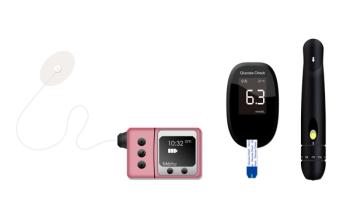
The authors of this study evaluated outcomes among children aged 7 to 16 years, all living with type 1 diabetes (T1D), who attended a 3-day virtual education camp that focused on their use of a closed-loop control (CLC) system for insulin delivery.

United States birth rate rises from last year but is still lower than pre-pandemic; a drug plant closure in California could affect availability of 5 essential medications; the No Surprises Act prevented 2 million potential surprise bills in first 2 months of 2022, report says.

At Digestive Disease Week 2022, John M. DeWitt, MD, professor of medicine, Indiana University Health, explains his findings on the diagnosis and management of achalasia in 2022 and how the COVID-19 pandemic affected these trends.

During a State-of-the-Art Lecture at Digestive Disease Week 2022, Jessica L. Mellinger, MD, MSc, explained how the COVID-19 pandemic has driven increases in rates of alcohol use and associated liver disease, as well as what can be done at the clinic, societal, and policy levels to address these trends.

At Digestive Disease Week 2022, Sravanthi Parasa, MD, gastroenterologist at Swedish Gastroenterology, talks about how artificial intelligence (AI) is used in gastroenterology and what challenges it may pose for clinicians.

A study conducted in China found that cybervictimization was associated with sleep problems, anxiety symptoms, and depressive symptoms in adolescents.

Patients of Asian heritage were also more likely to have end-organ manifestation, the authors found.

While the burden on caregivers of family members with neurodegenerative diseases such as Parkinson disease (PD) is well known, data on longitudinal trajectories of this burden are limited; this study followed caregivers for 2 years.

A recent study found that patients with chronic kidney disease (CKD) had a poor prognosis based on glomerular filtration rate (GFR), ankle-brachial index (ABI), and high systolic blood pressure in a 16-week exercise program.

New findings from a prospective cohort study outline associations between diabetes medications and common eye conditions, such as open-angle glaucoma and age-related macular degeneration (AMD).

Medical oncologist Jeffrey S. Weber, MD, PhD, spoke with The American Journal of Managed Care® (AJMC®) about how treatment options have improved for more advanced melanoma cases and the role that genetic mutations play in choosing therapy.

Investigational microbiota-based live therapeutic RBX2660 was found to be safe and effective at reducing Clostridioides difficile (C difficile) recurrence, said Paul Feuerstadt, MD, assistant clinical professor at Yale University School of Medicine, gastroenterologist at PACT Gastroenterology Center, at Digestive Disease Week 2022.

The dysfunction with pharmacy benefit managers (PBMs) is so troublesome that the Federal Trade Commission (FTC) is currently investigating how they have driven up costs. Until May 25, the FTC is holding a public comment period on PBM practices.

Pfizer announced positive data of its COVID-19 shot regimen for children under 5 years; providers gear up for increased challenges in distributing abortion medication; hypoallergenic baby formula shipments arrive in the United States.

Evidence shows that weight loss achieved through bariatric and endoscopic surgery can help treat and reverse nonalcoholic fatty liver disease (NAFLD), but optimal procedure selection and timing vary by patient factors, according to speakers at Digestive Disease Week 2022.

Outcomes were worse for patients hospitalized once for Clostridioides difficile infection compared with alternative reasons for hospitalization, but the risk of adverse outcomes did not seem to increase with recurrent admissions for C difficile, explained Preethi Venkat, MD, second-year internal medicine resident at University of California, San Diego, at Digestive Disease Week 2022.

A pair of posters presented at Digestive Disease Week 2022 showed the efficacy of an investigational biotherapeutic in preventing Clostridioides difficile infection recurrence and restoring the microbiome.

A recent study identified TIGIT as a marker of chimeric antigen receptor (CAR) T-cell exhaustion and found it to improve CAR T-cell therapy efficacy in preclinical models.

Dupilumab was associated with reductions in exacerbations and oral corticosteroids (OCS) dosage, as well as improved lung function, in patients with OCS-dependent asthma with and without comorbid chronic rhinosinusitis with nasal polyps.

Roxana Siles, MD, FAAAAI, staff in the Department of Allergy and Immunology at Cleveland Clinic and codirector of the Asthma Center at Cleveland Clinic, discusses the important need for chronic cough therapies and what issues with current treatments should be addressed by next-generation medications.

259 Prospect Plains Rd, Bldg H
Cranbury, NJ 08512
© 2025 MJH Life Sciences®
All rights reserved.