Consumer protections against surprise medical billing will go into effect January 1; Merck’s experimental oral COVID-19 antiviral drug shows efficacy against variants; an online questionnaire finds a 40% decrease in teen vaping from 2020 to 2021.

Consumer protections against surprise medical billing will go into effect January 1; Merck’s experimental oral COVID-19 antiviral drug shows efficacy against variants; an online questionnaire finds a 40% decrease in teen vaping from 2020 to 2021.

In an interview for ESC Congress 2021, Deepak L. Bhatt, MD, MPH, executive director of interventional cardiovascular programs at Brigham and Women’s Hospital Heart & Vascular Center and professor of medicine at Harvard Medical School, describes the treatment outlook for patients with heart failure with preserved ejection fraction (HFpEF).

Investigators reported comprehensive genomic features of patients with clear cell renal cell carcinoma, potentially giving providers a better understanding of the molecular features associated with the disease.

Dosing from pivotal phase 3 trials of tyrosine kinase inhibitors (TKIs) in chronic myeloid leukemia (CML) is not optimal for real-world patients who experience different efficacy and adverse events (AEs).

Maralixibat is the first treatment approved for cholestatic pruritus in patients with Alagille syndrome who are 1 year or older.

A new study suggests the lower-cost, more patient-friendly assessment method may be a useful tool for clinicians.

A large study out of the United Kingdom finds that women who use hormone replacement therapy (HRT) do not have a higher risk of dementia.

Highlighting the latest ophthalmology-related news reported across MJH Life Sciences™.

Current knowledge about how Parkinson disease (PD) affects patients from different socioeconomic or ethnic groups is lacking, said The Michael J. Fox Foundation for Parkinson’s Research (MJFF), and diverse groups are underrepresented in research.

A recent review explored issues in diagnosing and treating children with growth hormone deficiency (GHD).

Although physicians’ clinical decisions serve as the biggest drivers behind the cost of care, hospitals have long been reluctant to take financial accountability. If such accountability is to be transformed from a diffuse fear to a manageable managerial task, institutional engagement with physicians will be a critical next step.

Chronic disease caregivers are more likely to report both risky and health-promoting behaviors than noncaregivers, according to a new study.

The CDC strongly recommends pregnant people get vaccinated against COVID-19; Eli Lilly pledges to reduce the price of its insulin lispro injection; House Democrats are divided over Biden’s health care spending bill.

Results of a 15-year cohort study found waist to height ratio was associated with increased risks of severe diabetic eye disease among individuals with type 1 diabetes.

Patients with multiple sclerosis (MS) who had a higher education level experienced less cognitive impairment related to their disease than patients with a lower education level, investigators concluded.

This analysis of Veterans Aging Cohort Study participants highlighted 2 factors that may predispose persons living with HIV to a higher risk of sudden cardiac death.

Deepak L. Bhatt, MD, MPH, outlines the benefits of starting patients on sodium glucose co-transporter 2 (SGLT2) inhibitors while they are hospitalized.

These second-generation inhibitors include acalabrutinib, zanubrutinib, and tirabrutinib, and researchers hope they can overcome the off-target toxicity and treatment resistance that can be experienced with ibrutinib.

Patients with a positive fecal immunochemistry test (FIT) were shown to be at significantly greater risk of developing psoriasis than those with FIT-negative tests.

Findings from this new study are the result of an investigation into over 360 children, many with active hepatitis, elevated alanine aminotransferase levels, and an immune active phenotype.

Individuals who received a third dose of a COVID-19 vaccine reported adverse effects similar to those after the second dose; New York now has one of the highest vaccination rates among health care workers in the country; about 652 million men and 626 million women worldwide have hypertension.

One company received approximately $3.7 billion while enrolling only 22% of Medicare Advantage customers.

On this episode of Managed Care Cast, we speak with Susan Quaggin, MD, FASN, a nephrologist and the chief of nephrology/hypertension and director of the Feinberg Cardiovascular and Renal Research Institute at Northwestern University, as well as current president of the American Society of Nephrology (ASN). She discusses the recommendations of the National Kidney Foundation (NKF) and ASN Task Force on Reassessing the Inclusion of Race in Diagnosing Kidney Diseases and what comes next for laboratories, clinicians, and patients.

This new study of primary care patients in the United Kingdom investigated the impact of Headspace, a mindfulness-focused app, on asthma-related quality of life (QOL).

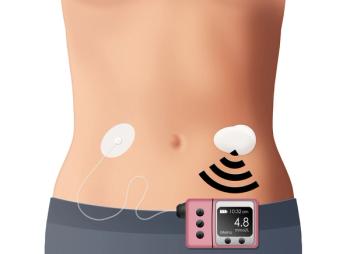
Risk of diabetic retinopathy (DR) was found to be decreased in young patients with type 1 diabetes (T1D) who were treated with insulin pumps, with findings also indicating a 2.1-fold greater risk of DR in Black participants compared with White individuals.

Researchers identified the frequency with which acute medication overuse occurs among migraineurs and factors associated with the condition.

The Drug Enforcement Administration (DEA) issues a warning on fentanyl-laced counterfeit prescription drugs; a new FBI report shows a year-to-year increase in murders nationwide from 2019 to 2020; Pfizer will soon begin testing a novel combination therapy as a preventive measure against COVID-19 infection.

Todd Schlesinger, MD, FAAD, director, Dermatology and Laser Center of Charleston and Clinical Research Center of the Carolinas, explains the process of Mohs surgery for removing skin cancers and preserving healthy surrounding tissue.

This new study adds to the literature by giving the first long-term data in these populations.

Ezio Bonifacio, PhD, addresses barriers inhibiting widespread screening for type 1 diabetes (T1D), and offers insights on whether all individuals should be screened, or only those known to be at genetic risk for the disease.